


Field notes from everyday life-learning — small moments that quietly shape children’s learning and growth.
As always with all that I write and share, I’ve been living some of the themes I’ve been exploring over the past month — capacity, pressure, trust, and how children actually learn. Not in dramatic ways, but in small, ordinary moments where I can feel the pull to step in, to shape, to correct… and the subtler invitation to pause and see what’s actually happening instead.
More and more, it doesn’t feel like my writing, my thinking, and my life sit separately. A seed is planted in one place, tended in another, and then, often unexpectedly, it blooms somewhere else entirely — in a conversation, in a moment of tension, in something I choose not to do. These field notes sit somewhere in the middle of that process.
They’re not instructions or “what to do”, but glimpses of what begins to shift when these ideas are lived with, rather than simply thought about. Rhythms, observations, and small changes that are shaping learning in our home over time. My hope is that something here might open up a recognition for you, too.
Gem 💎
1. Catching Reactions Earlier (Inner Animals)
There have been moments recently where I’ve asked what felt like a simple, neutral question, and my daughter has responded with a surprisingly big reaction — a sharp tone, a defensive edge, a sense that something in her needed to protect itself. When I sat with it, I could feel that there were multiple layers underneath: her sensitivity, her tendency towards worry or self-blame, and something more primal that didn’t quite match the situation itself.
It made me think about the way the brain responds to perceived threat — the amygdala firing, the body preparing to fight, much like an animal might scratch, bite, or make itself appear bigger when its survival is at stake. And alongside that, I had to acknowledge something in myself, too. I can sometimes react that way, and although it’s something I’ve been aware of and working with for years, in the intensity of family life those faster, sharper responses can still surface.
So instead of trying to correct the behaviour in the moment, I approached it sideways. We began talking about animals — what they do when they feel threatened, how they respond, what those behaviours are for — and from there gently made the link to humans, and how sometimes our bodies react as if we’re in danger even when we’re not. I asked her questions rather than explaining it all, and somewhere within that, she began to make her own connections.
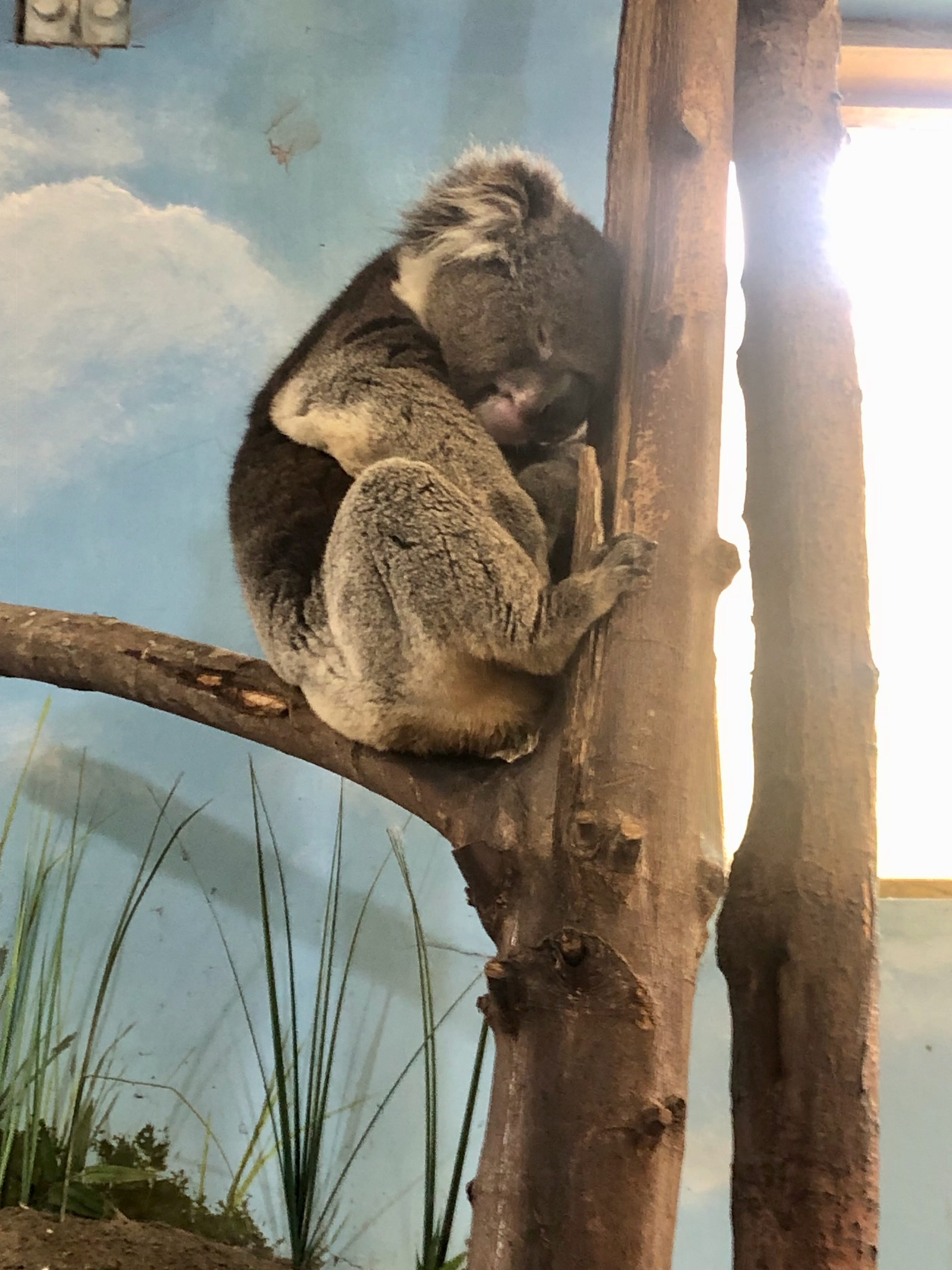
Quite naturally, P wanted to name them. Her inner animal became a koala — gentle most of the time, but capable of hissing, snarling, scratching when it feels unsafe. Mine became a crocodile — sometimes snappy. Since then, we’ve started to notice them together, not as a fix or a strategy, but as a shared language that helps us recognise when something protective has taken over.
It doesn’t always soften things straight away, but it has been creating a small pause. Just enough space to remember that we’re not under threat, even if it feels that way. And for me, that awareness has been shifting something a little in the background — a slightly earlier catching of my own tone, my own reactions, my own internal state.
2. Letting Go of the Plan (Special Time)
I’ve been intentionally creating small pockets of one-to-one “special time” with P a couple of times a week, aware that in the rhythm of everyday life with a toddler, that space doesn’t always come easily. What surprised me wasn’t the logistics of making the time, but what surfaced in me once we were in it — a subtle but persistent pull to shape it, to make it meaningful, to ensure something was being “covered”.
Thoughts would come in — some reasonable, some less so — about maths foundations, about future expectations, about whether she should be getting used to doing things she wouldn’t necessarily choose. I could feel how much of that wasn’t actually about her, but about absorbed ideas of what learning is supposed to look like. So instead of refining the plan, I tried something else.
I let it go.
Not in a dramatic, all-or-nothing way, but in the moment-to-moment sense of noticing when I was about to steer and choosing not to. Again and again, I came back to the same place: what does she want to do?
From there, something very different began to unfold. We played shops, and in the flow of that she engaged with money, number, and exchange in a way that felt more intuitive than anything I could have structured. On another day she wanted to explore Geishas — but instead of starting with information, I began with her questions, which were thoughtful, specific, and far more nuanced than anything I might have planned. The learning that followed felt alive in a way that’s hard to replicate when I’m leading it.
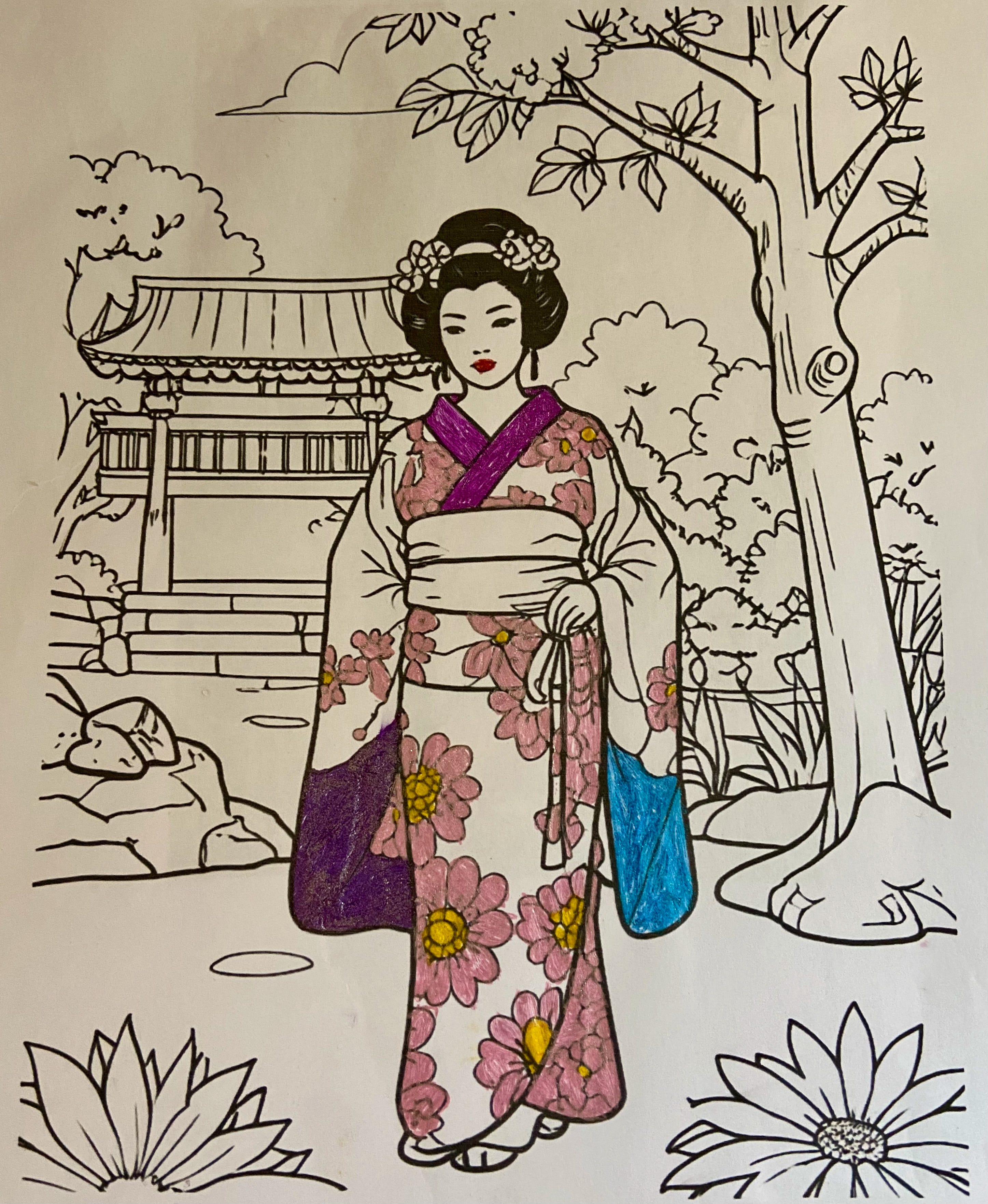
I’m beginning to trust more deeply that when the spark is there, the “learning” takes care of itself, and that my role is less about delivering it and more about not getting in the way.
3. What Becomes Visible When There’s Space (Car Conversations)
I’ve been noticing how much seems to emerge in the spaces where nothing particular is being asked of P. Car journeys, especially, have become unexpectedly rich — not because I’m prompting anything, but because something about the space allows her thoughts to unfold more freely.
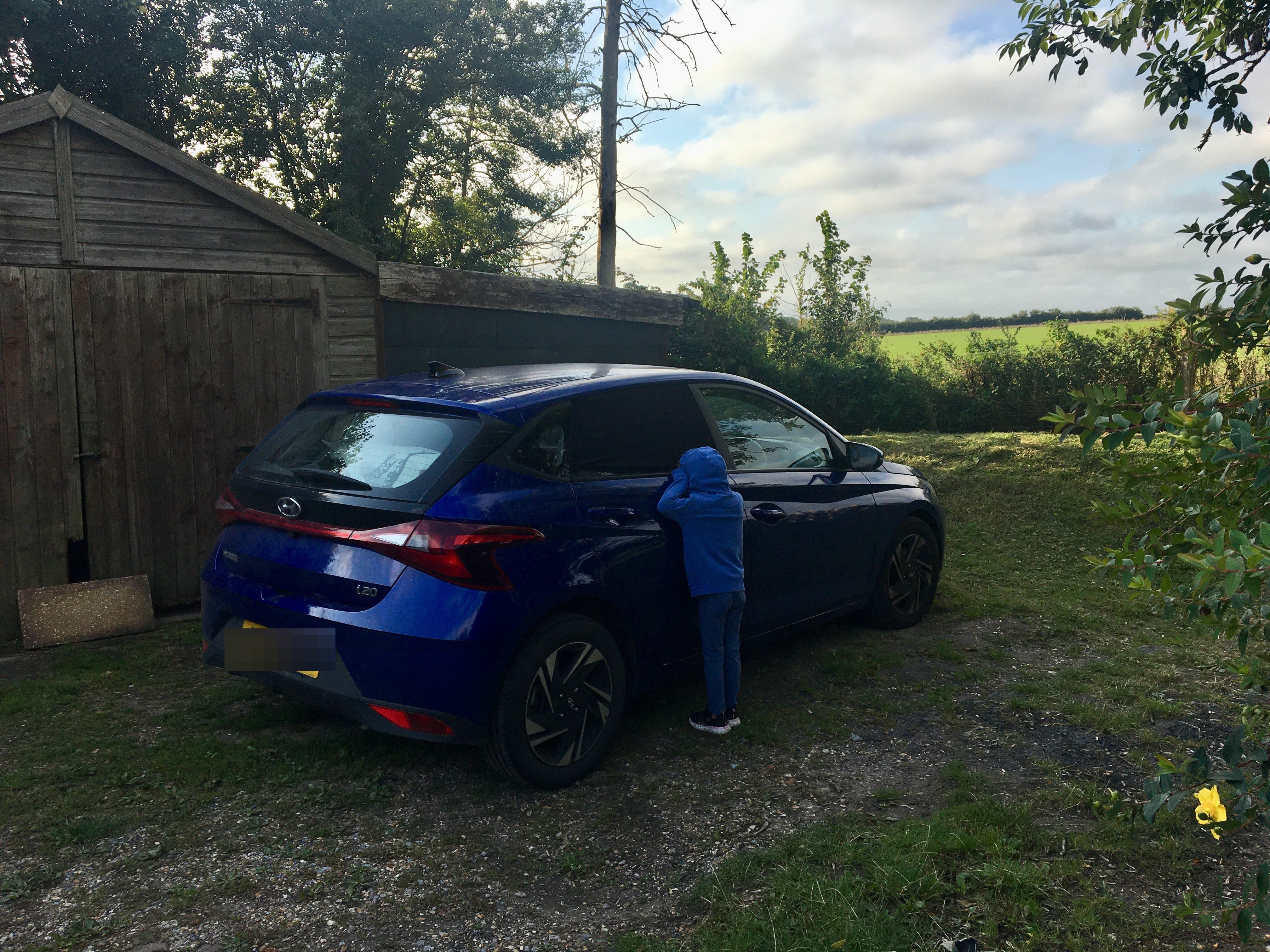
Recently, as we were driving through the area I grew up in, we moved from talking about my childhood into a much wider conversation about people — their differences, their personalities, the things that are easy or difficult for them. What struck me wasn’t just what she said, but how she saw.
Her granny was “joyful and good at communicating”, one friend was “moody but kind-hearted”, her dad was “funny and cheeky, but finds it hard to explain his feelings”, another friend was “an actor” — dramatic and playful — and another was “sensitive and protective”. There was nuance in it, generosity, and a kind of intuitive understanding that you don’t often see captured in more structured settings.
It reminded me how much of a child’s inner world isn’t immediately visible, and how easily it can be flattened into something far simpler from the outside. And how much becomes available when there is space for it to unfold in its own time.
4. When Motivation Comes From Within (Project Group)
At P’s project-based home education group, there was recently a sharing day where parents were invited in to see what the children had been working on. What stood out to me wasn’t just what she shared, but what led up to it — a more subtle shift that had been happening over time.
At the beginning of the term, she had been clear that she didn’t want to follow the group theme and preferred to do her own thing, and in that environment that choice was fully available to her. But gradually, something changed, not through pressure or persuasion, but because something about being part of the collective project began to matter to her.
By the time the sharing day came around, she had chosen to complete a piece of work — something that isn’t typically her natural inclination — and presented it proudly. I also heard that she had initially found working with clay frustrating, but had stayed with it, becoming increasingly determined to figure out the techniques she needed.
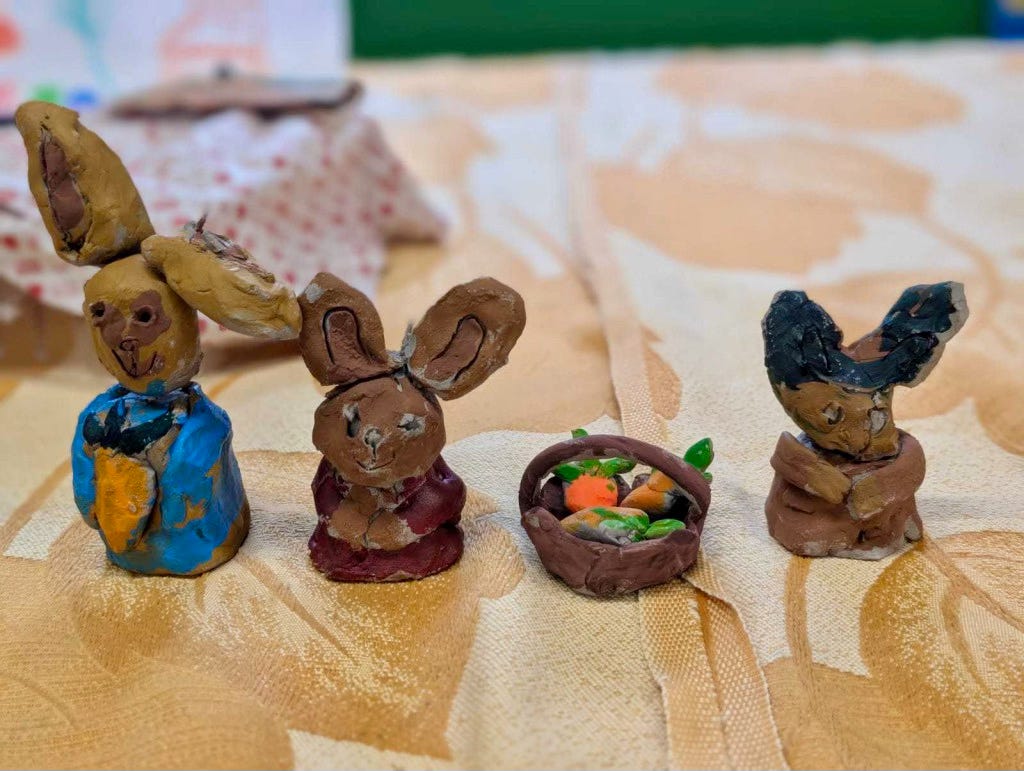
What I took from that wasn’t that she had “pushed through”.
It was that she had chosen into effort.
5. A Small Note on Play (April Fools)
There was also a lighter moment this month that stayed with me, in a different way. On April Fools’ Day, we spent time with a few other children playing a simple game of guessing whether different statements were true or a “fool”, alongside talking a little about where the tradition came from.
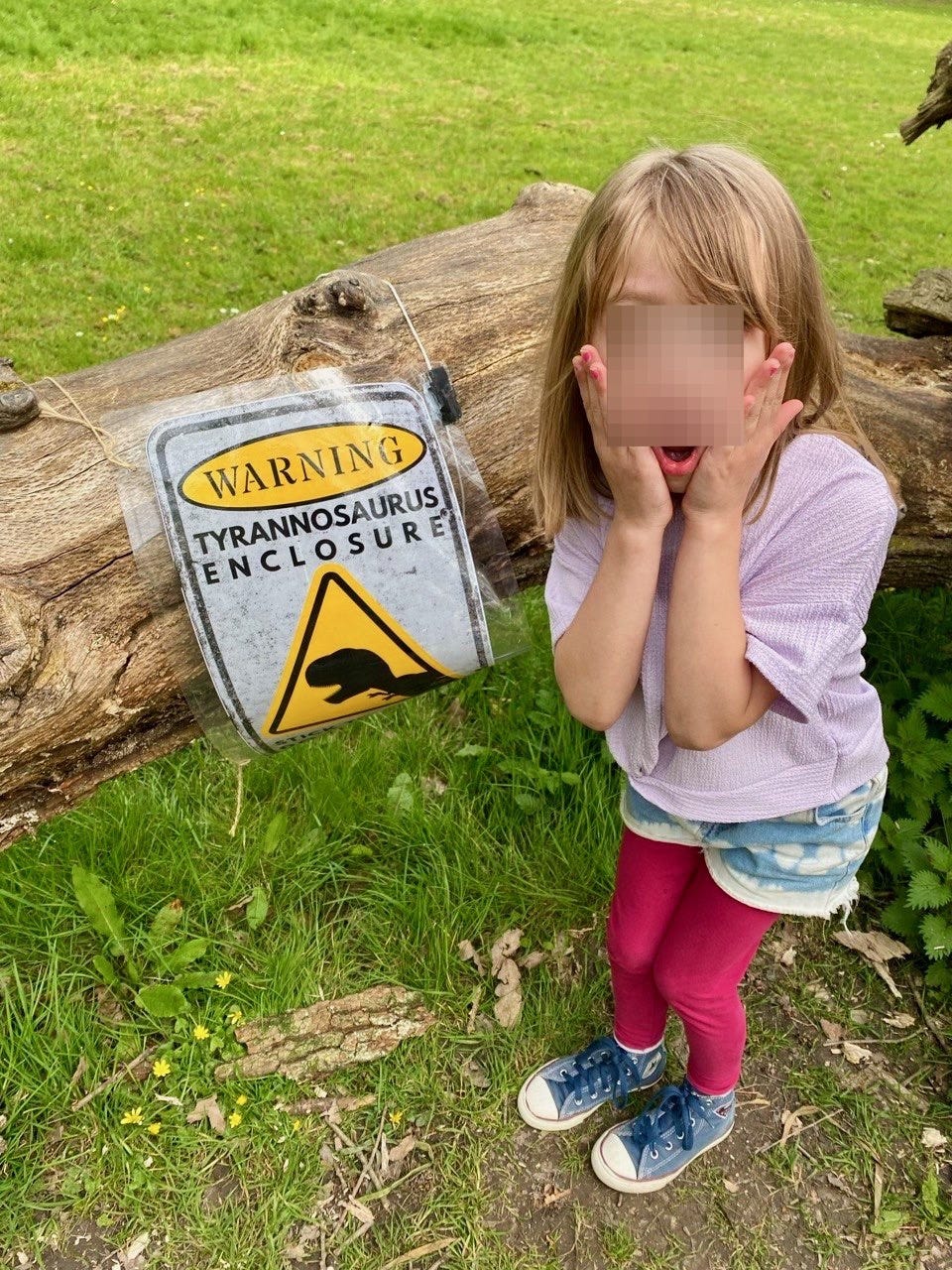
Nothing formal, nothing planned in any big way as a “learning activity”, but within it there was reasoning, humour, social understanding, and shared joy, all woven together without needing to be separated out or named.
A small reminder, again, that learning doesn’t sit apart from life.
Closing
These are this month’s field notes — small moments that shape how we continue walking the natural learning path.
Again and again, they remind me that learning, like childhood itself, deepens when we stop pushing and start paying attention.
If something here resonated with you, I’d love to hear: what small moment has shaped learning in your home lately?
Until next time,
Gem 💎
Subscribe below to receive future essays exploring what we see, what we miss, and what becomes possible when we look again at children and childhood.
Some mine and my daughter's best conversations are in the car or on the walk to and from our local park. We recently discussed how different the NHS system is to other countries and my daughter expressed how unfair it is in other countries to have to pay for medical care! Just a walk to the park, just life and just learning. Love your daughter's clay figures.
I love these field notes, they really speak to me and remind me of my homeschooling days with my children all those years ago. I wish I'd captured more of those 'seeds' as they appeared and landed in writing back then.