


The spark
Bedtime is sometimes an unexpected window of creativity in our house.
Just the other night my daughter came downstairs long after she was meant to be settling, holding a page of fashion designs she had drawn. Each outfit was carefully sketched and labelled in her own writing, and she asked us very seriously which one we thought would suit her best on the catwalk. It was clearly something that had arrived fully alive in her imagination and needed to come out right then.
Other moments like this happen all the time. One morning she woke up, immediately dressed, and then set about creating a piece of art that had clearly been sparked by spending time the day before with some teenage and young adult family friends who are brilliant artists. She did not want to be interrupted until the piece was finished. She worked steadily and quietly for about an hour, completely absorbed, until she was satisfied. Once it was done, she asked me to photograph it and send it to our friends. Only then did she agree to have some breakfast or entertain other activity ideas.
I see the same pattern with my younger child too. You can watch how curiosity drives her through the day, and then suddenly a spark appears and pulls her into exploring or doing something with an intensity that feels almost unstoppable. It is as if the idea itself has momentum and she simply follows where it leads.
A few years ago a fellow home-educator friend told me about a phase her son went through where he repeatedly asked to do maths at bedtime. You could say this was a very effective bedtime delay tactic. But it was also striking because maths was something he had shown little interest in during the day. The moment curiosity appeared was not during a scheduled lesson but in the quiet space of bedtime.
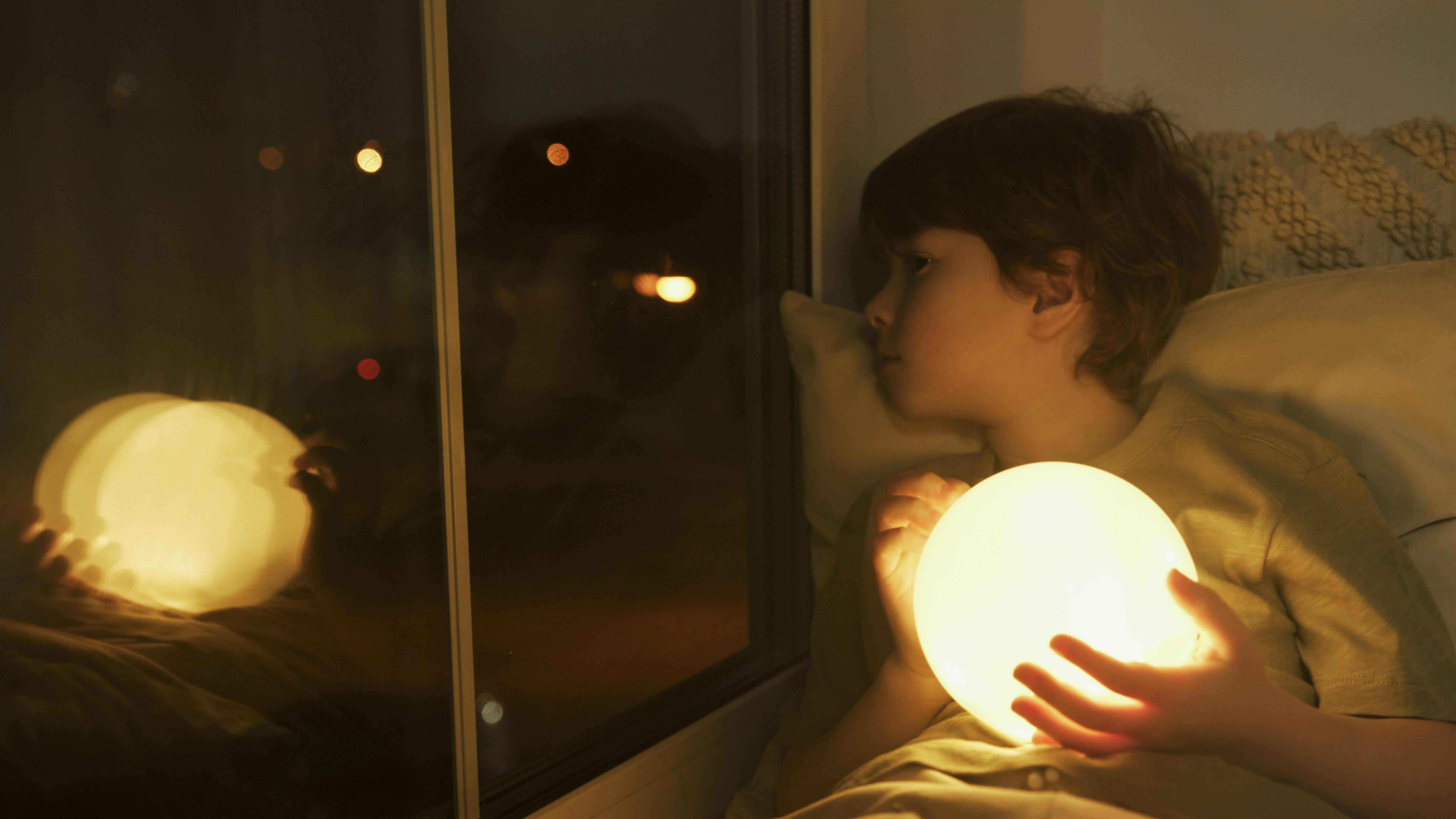
Many parents recognise a similar phenomenon: children suddenly wanting to have deeper conversations just as the lights go out. Questions about friendships, big ideas about the world, reflections on the day. Something about the conditions of bedtime — the dim light, the quiet house, the closeness with a parent, the absence of pressure — seems to allow thoughts and curiosities to surface more easily.
It creates a different kind of mental space.
When you spend time around children outside of rigid structures, you start to notice that learning often unfolds like this. It is not neat or scheduled. It comes in bursts of energy and concentration that cannot easily be predicted in advance and cannot easily be stopped once they begin.
Interestingly, neuroscience offers some support for what many parents observe. Researchers have found that when curiosity is activated, the hippocampus — a key memory and learning centre in the brain — becomes more active, helping the brain acquire skills, retain information, and form connections between ideas.
In other words, curiosity doesn’t just feel motivating. It literally prepares the brain for learning.
What school requires instead
If my daughter were attending school, many of these moments simply would not be able to exist. Bedtime creativity would be curtailed because she would need to get to sleep early enough to wake up for school the next day. Morning immersion in a creative project would likely be interrupted by the need to leave the house on time.
And that is before considering how much energy children expend simply getting through a typical school day. By the time a child returns home after hours of structured activity, social navigation, and often homework, there is frequently little capacity left for deep creative exploration.
This creates a subtle tension in the way we structure childhood. Creativity and curiosity are widely recognised as essential qualities for learning and innovation, yet the systems we place children inside are organised around timetables, lessons, and predetermined objectives. Learning becomes something that happens according to a schedule rather than something that emerges from the unpredictable energy of a curious mind.
Over time, when sparks repeatedly appear but cannot be followed, children learn to postpone them, then ignore them. Eventually the sparks themselves may appear less often.
The class-ification of childhood
I noticed another version of this dynamic recently when my daughter became interested in parkour. She has always been naturally able at gymnastics, but she quit formal gymnastics classes some time ago because she found them frustrating. As she explained it to me very clearly, she didn’t enjoy constantly being told what to do: “Point your toes, wait in line, do this exactly like this”.
What she saw when she walked into the gymnasium was one enormous playground full of bars, beams, and mats, but she wasn’t allowed to simply explore it. Instead she had to follow instructions and replicate movements in a very specific way.
Parkour, by contrast, appealed to her immediately. The essence of parkour is movement through the environment — climbing, balancing, jumping, navigating obstacles using whatever creative solutions the body discovers. It is about a direct relationship between the person and the physical world around them.
When she first became interested in it, I suggested finding a parkour class. Looking back, I feel slightly embarrassed by that reaction now — it reveals how deeply conditioned we are by the idea that skills must be taught in organised settings. When we talked about it as a family, my husband said something that captured the situation perfectly:
You don’t go to a tree climbing class. You just climb trees.
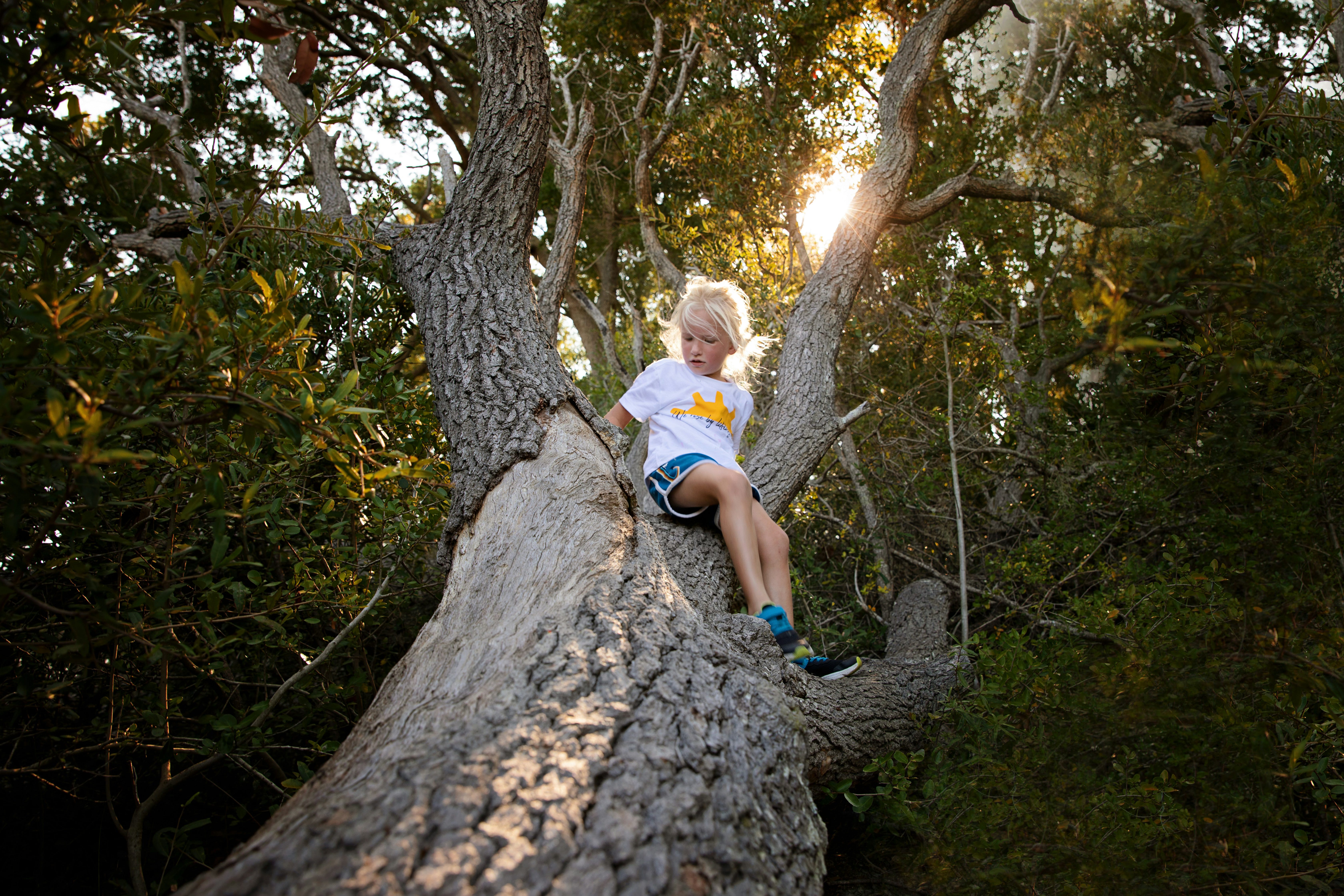
It is striking how many aspects of childhood that were once simply part of living have gradually been packaged into classes. Tumbling, playing with a ball, painting, drawing, dancing, building, cooking — activities that historically emerged from curiosity and exploration are now increasingly offered through structured lessons led by instructors in curated environments.
Sometimes these classes are useful, especially when a child actively wants guidance from someone with deeper experience. But the order of things has quietly shifted.
Maybe the order itself is wrong.
If that’s the case, it raises an interesting question: what might a different order look like?
Another possibility
In a different world, classes might exist in a very different way.
Instead of functioning as the default starting point for every activity, they might operate more like taster experiences — opportunities for children to briefly encounter a skill, sport, or craft and discover what it actually feels like. A child might spend a short time exploring gymnastics, music, pottery, rock climbing, dance, or coding, not with the expectation of commitment or progression, but simply to experience it.
The purpose would not be to begin a structured pathway, but simply to allow sparks of interest to appear.
From there, the direction could come from the child. If something captured their curiosity — if they wanted to go deeper — then teaching might begin to look very different. Instead of large generic classes moving groups of children through the same sequence, learning could become more like mentorship or apprenticeship.
For most of human history, this was how skills were passed on. A young person who was curious about a craft or discipline would learn alongside someone who already lived inside that work, gradually deepening their understanding through participation and guidance.
At that point the relationship changes. Both the learner and the teacher are invested. The learning is no longer generic or imposed — it becomes personal.
Curiosity first, guidance second.
The reversal
Increasingly, instruction comes first and curiosity second. Instead of children exploring their environment, discovering their interests, and then seeking out guidance to deepen those interests, the default assumption has become that learning begins with formal teaching.
This reversal changes the character of learning itself. When exploration comes first, the child brings genuine questions and motivation to the process. Skills emerge naturally through experimentation, imitation, and trial and error. When instruction comes first, the child is often asked to replicate movements or complete tasks that may not yet have any personal meaning.
The educator John Taylor Gatto once wrote, “When you take the free will out of education, that turns it into schooling.” The difference between learning and schooling is not simply where it happens, but who directs the process.
None of this means that expertise or mentorship have no place. There are moments when a child’s curiosity becomes so strong that they actively seek out someone who can help them go further. At that point, a class or teacher can become a valuable resource. But it works best when it appears later in the process, responding to curiosity rather than replacing it.
The long-term cost
When sparks of curiosity are allowed to appear and be followed, they can grow into sustained interests, deep skills, and creative expression. When those sparks are repeatedly interrupted or postponed, something begins to shift over time. Children learn that their ideas must fit into allotted spaces, rather than shaping the structure of their day.
Many adults know intellectually that creativity matters. They value imagination, innovation, and original thinking. Yet when asked what they feel curious about or what creative impulses they would like to follow, they often struggle to answer. The sparks that once guided their learning have been buried under years of timetables, obligations, and externally directed goals.
What I am increasingly noticing in my own home is how powerful those sparks can be when they are given space. A burst of drawing before breakfast. A late-night fashion design session. An hour of focused artistic creation that cannot be interrupted until it is complete. A child discovering movement through climbing, balancing, and experimenting with her own body in the environment around her.
These moments may look small from the outside, but they reveal something important about how learning really works. It does not unfold according to a schedule designed in advance. It emerges from curiosity, from energy, from the sudden appearance of an idea that feels too alive to ignore.
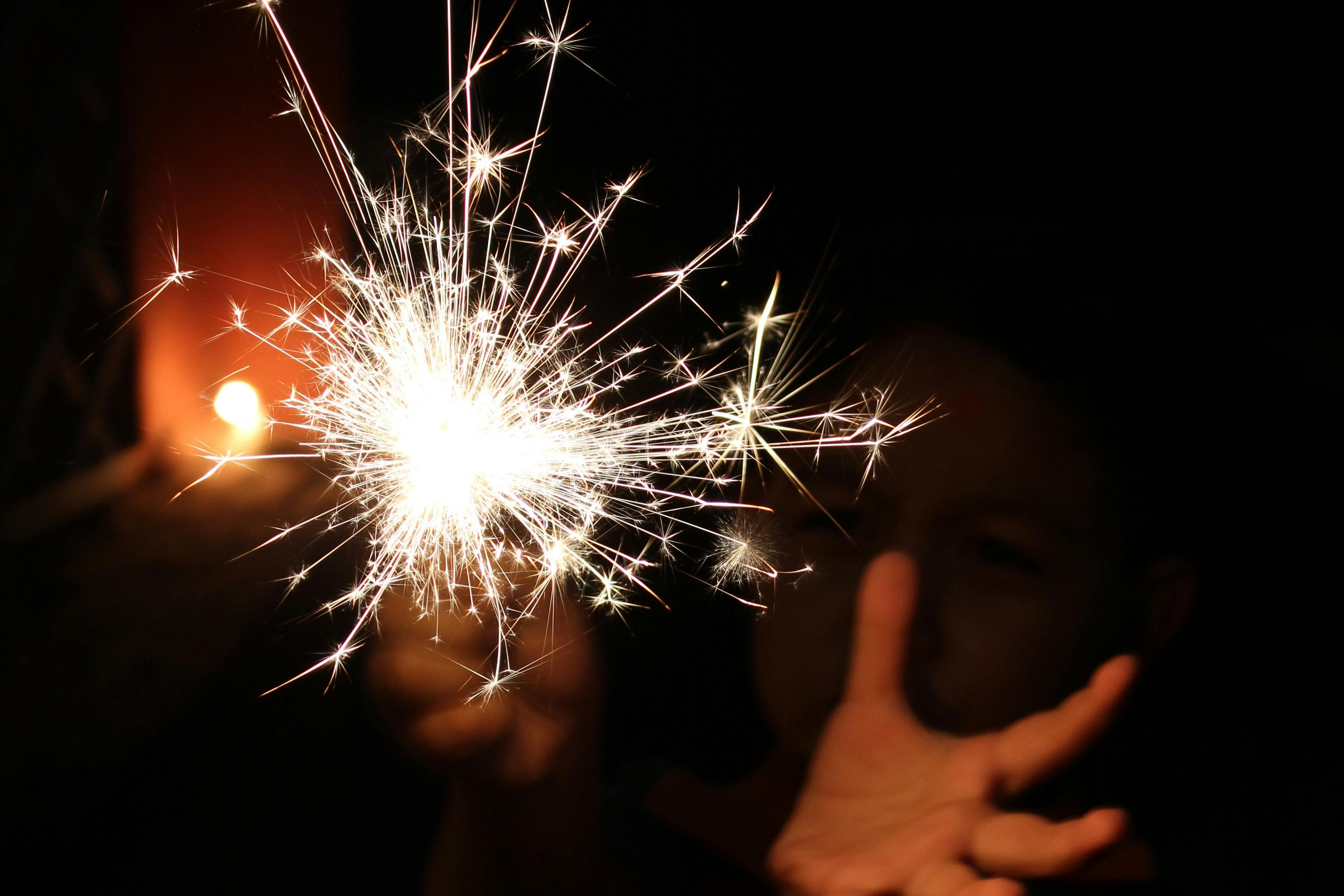
Children follow sparks.
The question is whether the environments we create allow those sparks to grow into something larger — or quietly train children to ignore them altogether.
If this piece stirred something, I’d love to hear.
Where do you notice your child’s sparks of curiosity appearing — and what happens to them in the flow of your days?
What helps you stay with those moments, or return to them?
Your reflections often help other parents recognise what they’re experiencing.
Subscribe below to receive future essays exploring what we see, what we miss, and what becomes possible when we look again at children and childhood.
Further reading


Yes, I see those moments all the time—when curiosity doesn’t fit schedules, but giving space often leads to the most meaningful learning.
“When sparks of curiosity are allowed to appear and be followed, they can grow into sustained interests, deep skills, and creative expression.” That’s how my son learnt to write in our native language. Nobody forced him, he was just curious. And yes, he is more open to talk and reflect during bedtime. Great writing, thanks for putting your observations into words.