


Field notes from everyday life-learning — small moments that shape children’s learning and growth.
This month, I’ve been writing about the tension between doing and being, the limits of labels, what we may be misreading when children “don’t listen”, and the deeper conditioning many of us carry into parenting without realising it. And as I’ve been exploring those themes, I’ve found myself noticing not only my children more closely, but the speed at which meaning forms inside me around what they do.
The interpretations that arrive almost instantly. The moments where urgency narrows what I can see. The subtle pull to manage, correct, optimise, or rush — often before I’ve fully understood what is actually happening underneath.
These field notes sit somewhere in the space between my writing and my life — not as conclusions, but as glimpses of what becomes visible when the ideas are lived with closely enough to begin reshaping the way I see.
As always, my hope is that something here might open up a recognition for you, too.
Gem 💎
1. The Shapes of Connection
I have long been aware of my own complicated relationship with purposelessness.
Even though I recently wrote about how naturally children move between fierce purpose and open-ended wandering — and how this may be closer to our original design — I also think there is nuance in how individual adults are designed to “be” in the world.
For example, I notice that some people seem genuinely at ease dropping everything and entering fully into child-led play for long stretches of time. A lot of parenting advice promotes exactly this idea. I remember a meme that had quite a big impact on me years ago which said something along the lines of: “Children won’t remember how tidy the house was; they’ll remember you playing with them.”
Whilst I do believe shared play and connection are deeply important, I also think this can easily become another pressure point for already stretched parents.
Because the reality is that running a home and supporting children day-to-day requires an enormous amount of invisible labour, even before external work is layered on top — which, for most families, it is. There are endless meals, laundry, activities, transitions, emotional needs, shopping lists, logistics, appointments, tidying, planning, remembering. Even maintaining a fairly ordinary baseline of family life requires constant attention and activity. And of course, many of us are raising children in a time where the wider village of neighbours and extended family is largely absent, fragmented, or behind screens.
But I also need to be honest about something that took me years to admit to myself without guilt — especially after spending years professionally encouraging parents to play with their children.
I do not massively enjoy long stretches of open-ended child-led play.
I suspect — actually, I know, from having countless conversations with other parents over time — that I’m far from alone in feeling this way. I think it can feel slightly taboo to admit, which speaks to the pressure many parents feel to be holding it all, doing it all, and loving every part of it simultaneously.
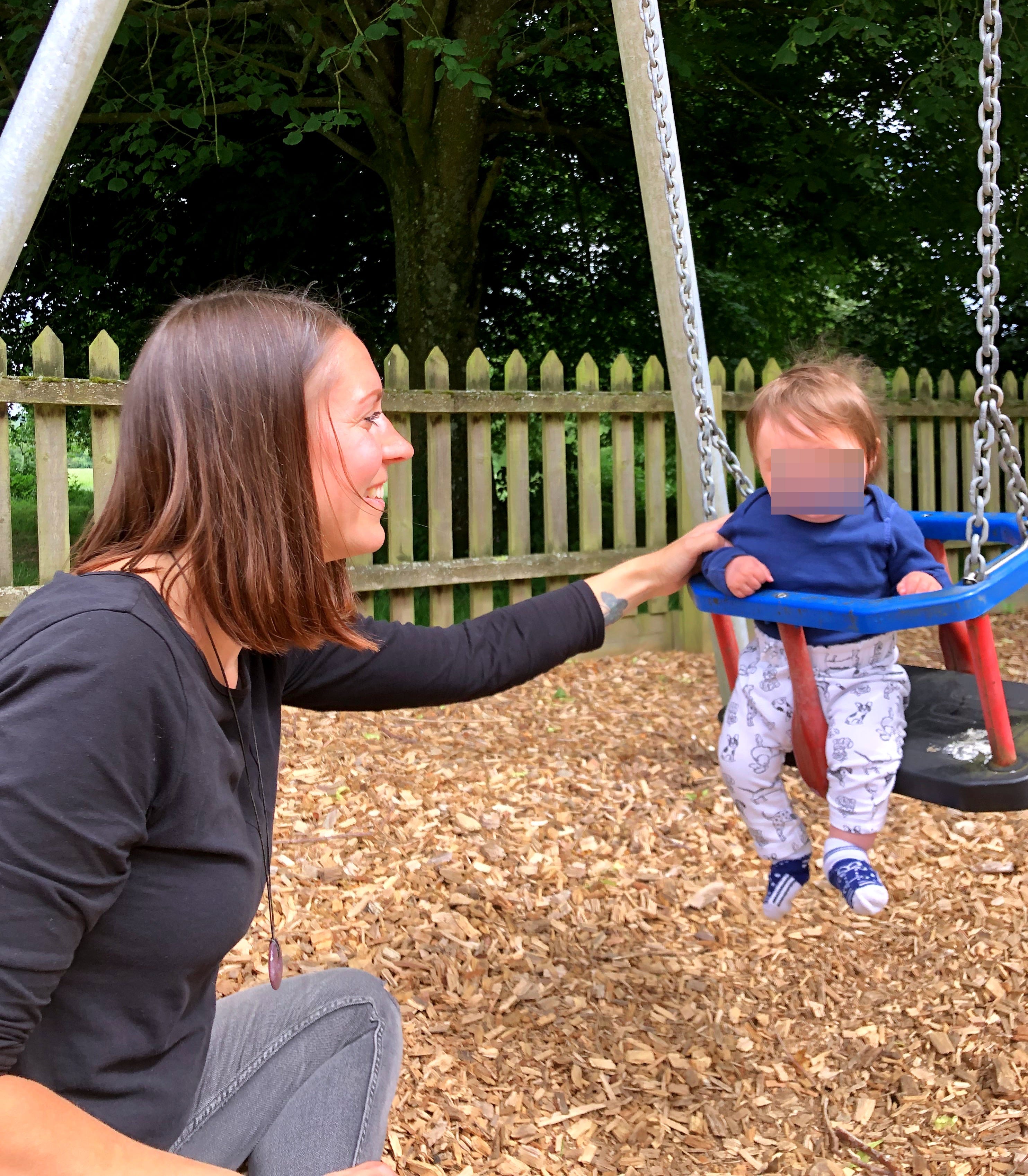
I’ve reflected on it a lot over recent years and unpacked what sits underneath it. Some of it, I think, is conditioning — the steady programming many of us absorbed around productivity, usefulness, and the discomfort of simply “being.” But I also think some of it may be more natural than we often allow for. Children and adults are not in the same developmental phase. We have different biological priorities. A large part of adulthood demands increased responsibility, coordination, and orientation towards maintaining life.
Beyond that, I think our individual mechanics bring further nuance too. For me personally, I’ve realised that I function best when there is movement, engagement, and activity in my environment. Discovering my Human Design variables brought a surprising amount of relief around this. I stopped pathologising my need to stay active and stopped comparing myself to an idealised version of motherhood that never quite fit me naturally.
Over time, I’ve released a lot of guilt around the fact that although I deeply love my children and value play and connection enormously, I don’t particularly want to spend hours waggling dolls around — usually whilst being instructed exactly what to say and do. I also observe that children receive an enormous amount developmentally from playing with siblings and friends — shared imagination, negotiation, flexibility, collaboration. Increasingly, I think when children ask us to play, what they are often seeking is connection, and that connection can take many forms.
What I love is bringing in new play ideas based on the girls’ interests and developmental stages, or helping them bring one of their own ideas to life. What works far better for me is shorter bursts of genuine engagement woven through the day and within other shared experiences we all enjoy together — outings, conversations, listening to music, dance performances, exploring new places, learning things together, spending time with extended family and friends. One of my favourite forms of connection is simply sitting snuggled on the sofa watching a film together.
Alongside this, however, I’ve also had to recalibrate my relationship with “constant doing” over the years so that it no longer tips into depletion and burnout. As I wrote about recently, having an open Root Centre means I can be especially susceptible to running on external pressure, which will eventually exhaust me if I’m not paying attention. I need to notice whether my activity is internally driven or whether I’m absorbing urgency from around me. And this is exactly why generic parenting advice so often falls short: there is far more nuance in individual nervous systems and designs than broad prescriptions can account for.
Overall, my time now feels more consciously balanced between things that nourish me individually and forms of connection that nourish us together.
At the same time, I’ve also recognised the importance of small moments of nothingness. Not huge stretches — that doesn’t particularly suit me either — but ten quiet minutes outside with a cup of tea listening to the birds, or two minutes lying still at the end of a yoga session (which may or may not involve small children climbing all over me during it). I’ve also realised how important evenings are for me as time alone after a day of often constant relational input. Small pockets where the nervous system settles rather than constantly responding.
Something I hold onto underneath all of this is the recognition that just because something feels repetitive or meaningless to me does not mean it is meaningless to them. Often, the opposite is true. What looks like silliness, wandering, repetition, or inefficiency from an adult perspective is often deeply meaningful work from within childhood itself.
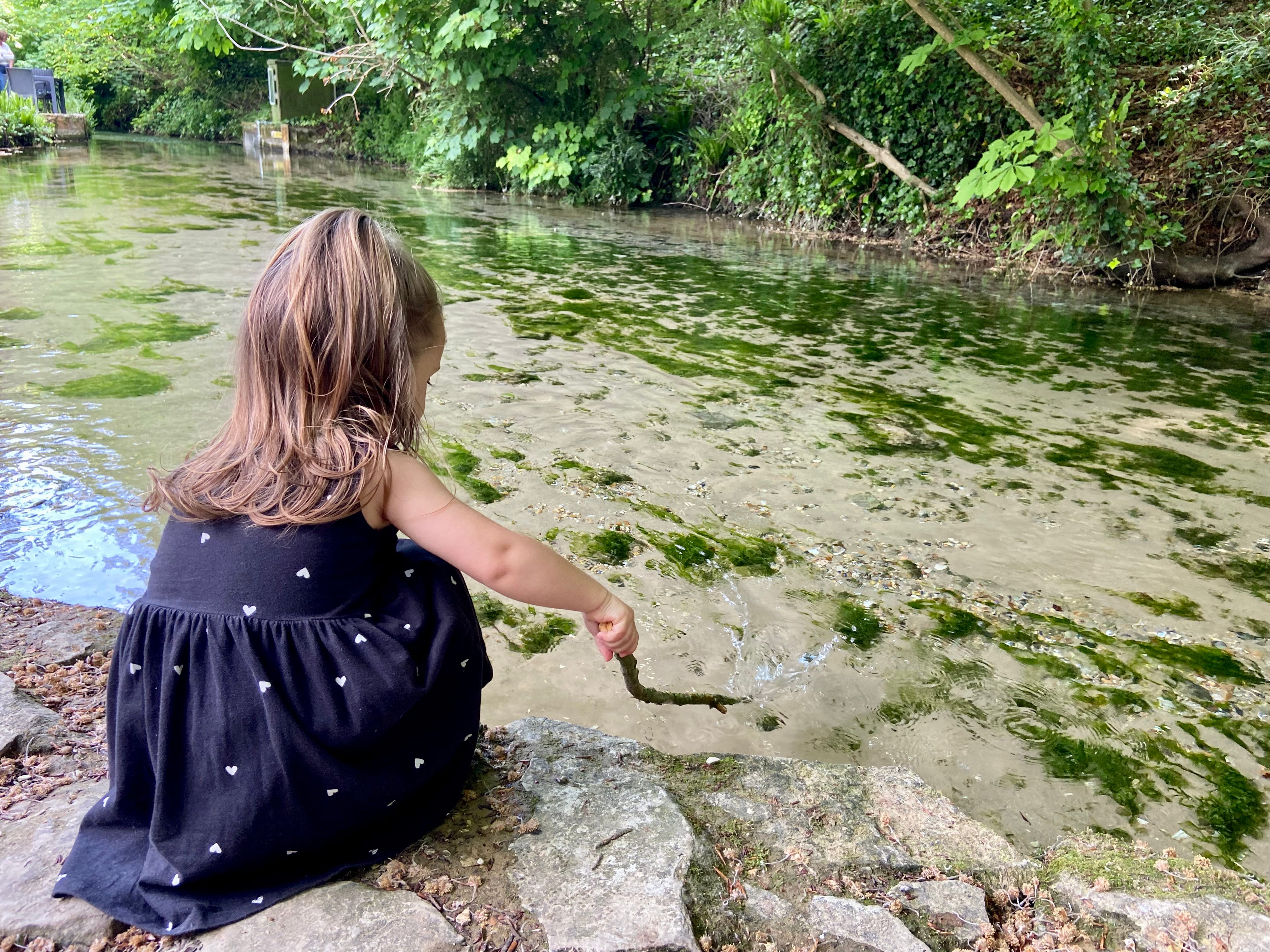
When I become irritated by the slowness, sameness, or intensity of their childlikeness, I can increasingly see that it usually reflects something about my own capacity in that moment too. My own regulation. My own overwhelm. My own need for order, quiet, completion, or support.
Sometimes I genuinely do need to finish the dishes rather than enter the game, because doing so helps me regulate enough to stay emotionally available afterwards.
And slowly, I’m becoming less interested in idealised parenting identities and more interested in honest calibration. Not self-erasure. Not endless productivity. But the ongoing balancing of a real family ecosystem made up of different nervous systems, needs, capacities, and temperaments.
2. The Stories We Build Around Children
Something else I’ve been reflecting on recently — probably because of my recent writing on labels — is the tension between the terms “demand avoidance” and its more positively framed sister concept, “drive for autonomy.”
I’ve known these ideas for years through my professional background and through working alongside many children described in these ways. Usually, the pattern emerged when adults became concerned about a child’s apparent refusal to comply with expectations, requests, or demands.
And when I became a parent myself, I started noticing similar patterns very early on in my own daughter.
What’s been especially interesting is that I’m now seeing many of the same dynamics emerging in my youngest daughter too, despite their age difference.
One small but surprisingly consistent example is how strongly both girls seem to resist any option they detect I’m personally invested in. I might casually offer:
“Would you like to do some art or maybe go for a walk? It’s such a lovely day outside.” Somehow, they immediately seem to detect the slight extra enthusiasm behind one option and instinctively choose the other. It often feels as though they can smell the investment underneath my words.
My toddler especially becomes far more cooperative when something feels self-chosen rather than externally imposed. And the more I’ve observed this, the more I’ve started wondering whether, underneath the more extreme nervous system responses some children experience, there may also be a deeply human drive towards autonomy, self-direction, and agency.
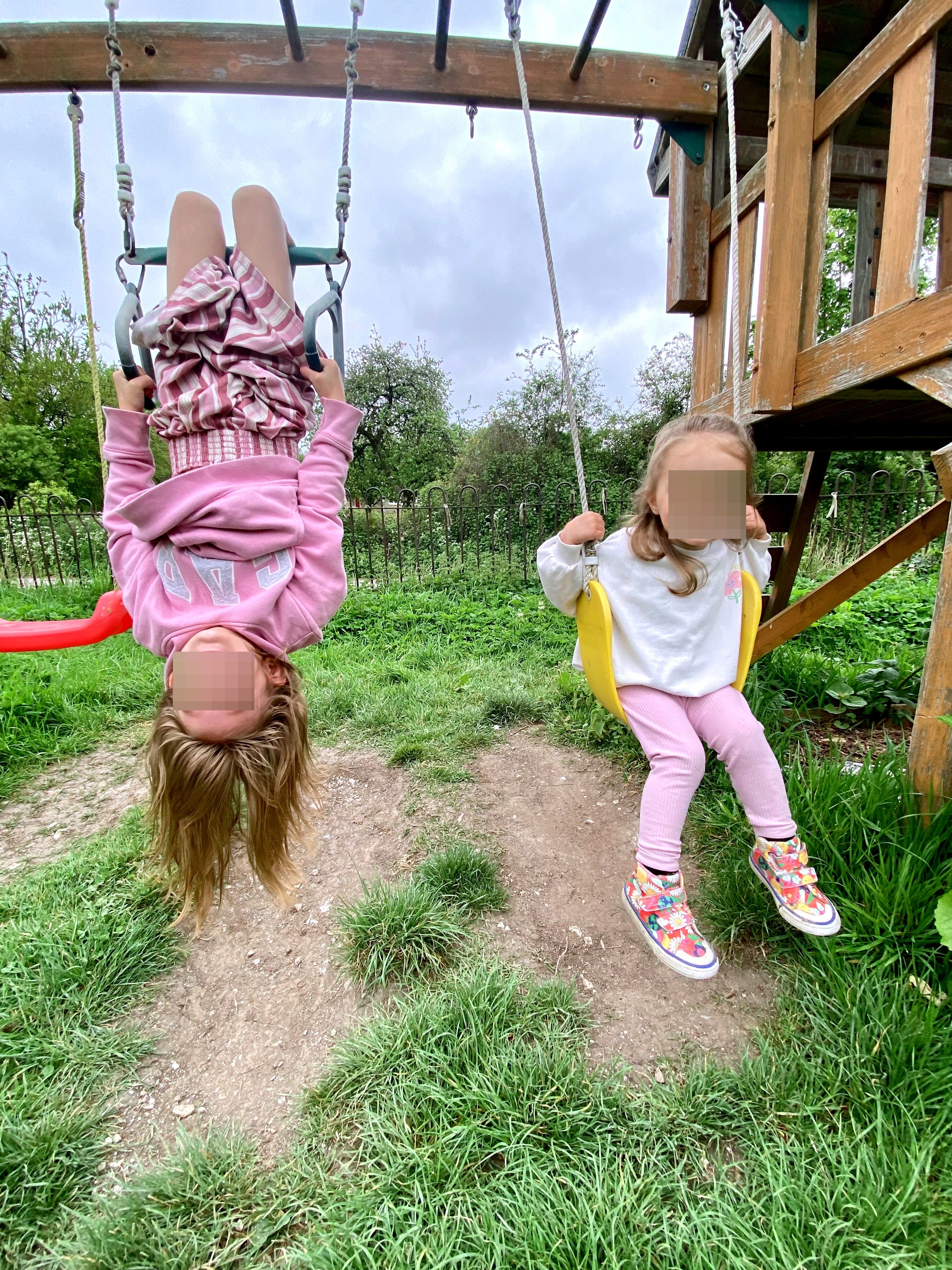
That doesn’t mean all children express this equally. Temperament clearly varies enormously, and I do think I have two particularly headstrong and feisty girls, which certainly keeps life interesting and mildly terrifying. I’ve often noticed that some children seem to orient more comfortably towards external structure or guidance than others. And I’m not meaning to minimise the very real challenges this type of profile can present for parents and educators.
But I have noticed my own thinking shifting.
When I only had one child, I held the “demand avoidant” framing a little more tightly. Seeing similar patterns now emerging naturally in my second daughter has loosened something in me. I find myself stepping back further from the label itself and wondering whether what I’m witnessing is less solely a behavioural category and more an amplified expression of something deeply human — something that emerges especially strongly in certain individuals.
Perhaps these individuals are not simply resisting authority, but exposing the limitations of overly top-down, compliance-driven models in the first place.
At the same time, I can also see why systems lean so heavily on categorisation. A child with a strong drive towards self-direction is naturally much harder to manage within environments built around standardisation, timing, compliance, and collective movement. Labels become useful not only descriptively, but structurally. They help frame and manage what does not move easily within the expected flow.
I can’t really know how my children’s natures might present, respond to, or be shaped by the kinds of pressurised systems many children experience, because that simply hasn’t been their path.
But even with that recognition, I still find myself wondering about the morality of our judgements and interpretations when they harden into identity — not only within institutions, but within our own minds too.
3. When Urgency Takes Over
There was one moment this month that has stayed with me particularly strongly.
It was our “busy morning.” The one day each week where everybody needs to get up, ready, and out of the house by a certain time. My mum was arriving to collect D, and shortly afterwards I needed to leave with P for her home education drop-off group half an hour away.
That morning, mum was delayed in traffic and I was already behind — lunches not finished, bags half-packed, water bottles empty, dog waiting to be fed, car keys nowhere to be found. By the time mum arrived, D was ready and I was ushering them both quickly towards the door.
But P had other ideas.
She was standing in the middle of the room listening to her current favourite song from Zombies 2 and practising a dance routine she’d learned from one of her favourite YouTubers. She wanted granny to watch her perform it.
I immediately said no. We needed to go. Everyone needed to go. We were already late. She protested. I repeated no more firmly. She protested louder, and I became sharper in return, still trying to pack bags and find things whilst she pulled at my sleeve saying: “Please mummy, please, I really want to show her.”
And then eventually something in me tipped over. “You are NOT doing your dance for granny now. END OF.” She burst into tears immediately, shouted that I didn’t care about her, then ran upstairs slamming the door. The urgency had risen up in my body and spilled out onto her.
Of course, from her side, the moment wasn’t about timing or schedules at all. She wanted to share something that was meaningful to her with someone she loved, and my urgency had landed as disconnection.
Later, once we were in the car and things had settled into silence, I found myself looking back at the situation more carefully. And what struck me was not that the boundary itself had been wrong. I still don’t think stopping for a full dance performance was appropriate in that moment. I do think children gradually need to learn that other people have schedules, needs, and limits too.
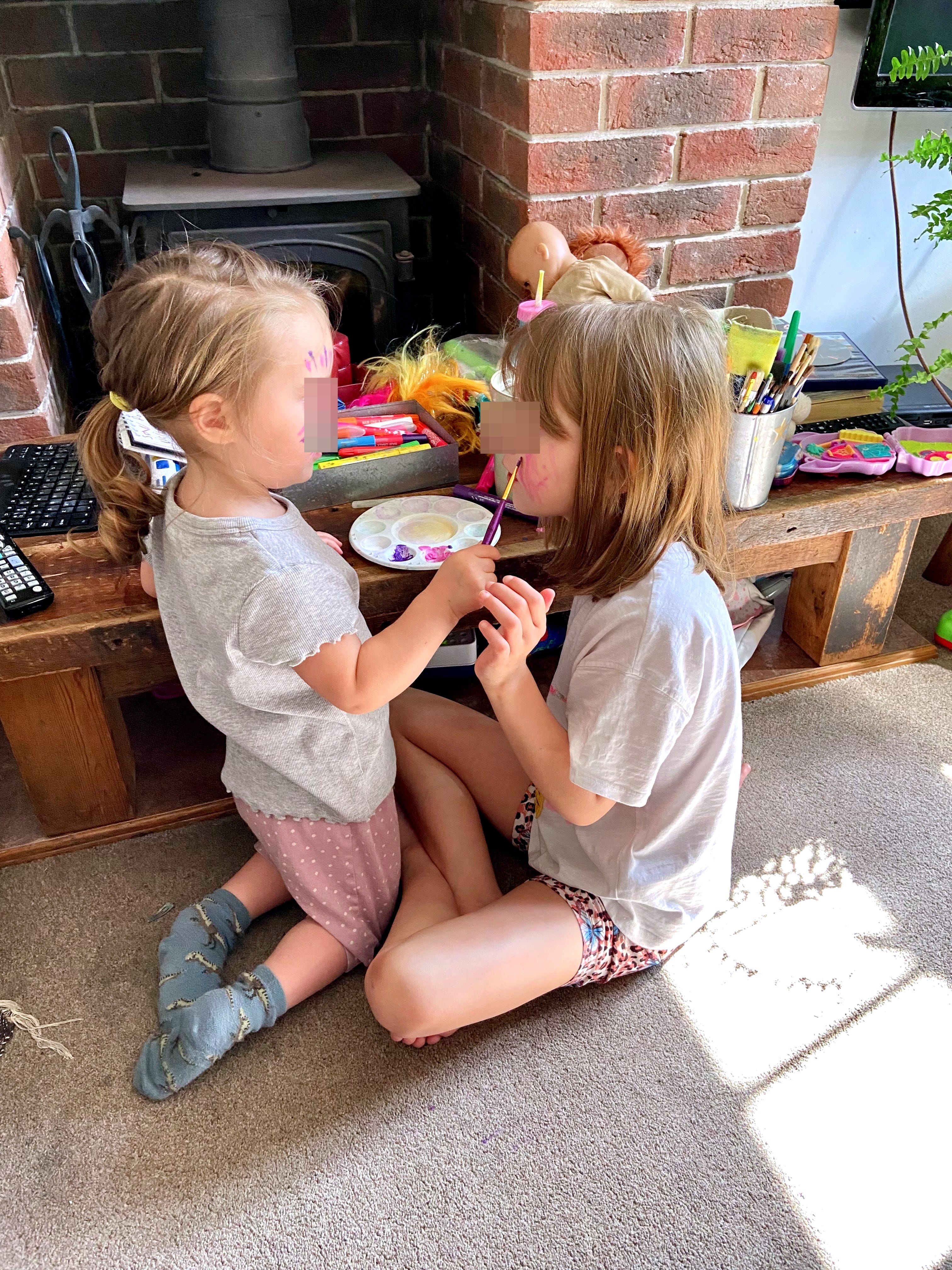
But what unsettled me was the intensity of my reaction relative to the actual stakes involved.
Because when I looked honestly at the situation, we were not heading towards catastrophe. Her home education group has a relaxed arrival period. I was then planning to spend a few hours quietly writing in a coffee shop. Nothing truly disastrous would have happened if we’d left a few minutes later. And yet my nervous system had reacted as though we were in crisis.
I could feel so clearly afterwards how much inherited urgency still lives inside my body.
My childhood was full of rushing, schedules, lateness, packed timetables, and the constant pressure of time. Both my parents worked full-time, one as a teacher carrying huge amounts of work home, and life often felt organised around movement, productivity, and trying to stay on top of things. Urgency was familiar. And as I said earlier in this piece — urgency was absorbed.
I saw in that moment how quickly old conditioning can still override my actual perception of reality. My reaction was mismatched to the true stakes of the situation.
What’s been changing slowly is not that these reactions never happen anymore. They do. But increasingly, I can see them more clearly afterwards. Sometimes even while they’re happening.
And I think that awareness matters.
Because for me, parenting is gradually feeling less like becoming endlessly calm or perfectly regulated, but also less like collapsing into guilt or self-blame — reactions that can easily become another layer of pressure or harden into an unhelpful identity to carry. It’s starting to feel more like learning to recognise what is actually mine before I unconsciously hand it to my children.
Closing
These are this month’s field notes — small moments that continue shaping how we walk along a more natural learning path.
Again and again, they remind me that parenting, learning, and childhood itself deepens when we stop pushing and start paying attention.
If something here resonated with you, I’d love to hear: what moment has been reflecting something back to you lately in your own family life?
Until next time,
Gem 💎
Subscribe below to receive future essays exploring what we see, what we miss, and what becomes possible when we look again at children and childhood.
"I could feel so clearly afterwards how much inherited urgency still lives inside my body"- this happens so often to me- particularly whilst on the way to home ed groups etc and it resulted in a big conversation in the car the other day where I apologised to the children for the ' usual' panic inducing way we set out on our journey. I explained that I hated being late and walking into things late and my daughter so eloquently said " but thats you Mummy. I really don't mind. If i'm late then I will just apoligize . It will be fine". I always felt I was going to be late when I was growing up annd if I was then often I would refuse to go I to whatever event it was. I realised that my children just don't feel that stress over time- they know the importance of arriving on time for others if its a class etc but they don't panic if on the odd occasion life gets in the way. I have a lot to learn from my children ! And I'm trying really hard to leave the house in calm state wether we are early, late or somewhere in between
As always I enjoy and learn from you posts. Thanks.
I especially appreciate that way you effortlessly communicate self-observation and self-reflection as central to relationship. Relationship is not a different activity than self observation and self-reflection. They are natural human capacities, inherent in our Being. Capacities are innate; development depends upon relationship. As they generally have not been part of the relationships for so many they seem unusual, or extra work, or something to remember. Yet, not only will they foster well-being in us and our children, they are cited again and again in spiritual and existential philosophy as central to profound awareness, to knowing ourselves.