

“You were always alone. And then you were gone.”
Anguish, bullying, loneliness, and survival. The story of my secondary school education.

This isn’t my usual practical or reflective essay on home education or child development. It’s a personal account — one I’ve held for a long time — about what school taught me through exclusion, silence, and survival. I’m sharing it now because these conversations feel timely, and because lived experience matters alongside theory.
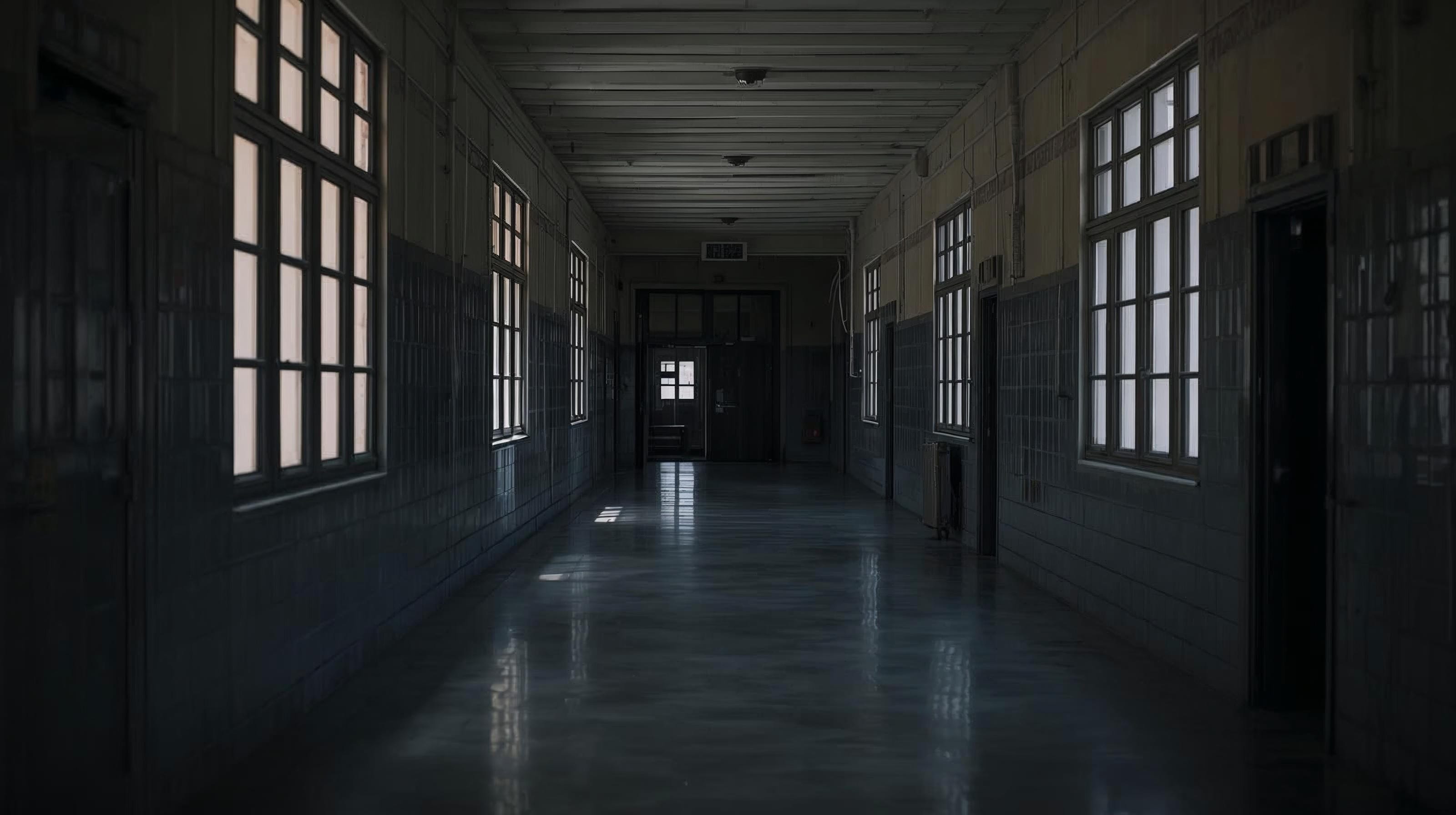
The warm sugary hit of a canteen doughnut.
The addictive click of a folding ruler.
The deafening clatter of a dropped metal pencil case.
The pleasing cool of a circular white plastic house point.
The satisfying stack of diagonally folded paper sheets in a homework diary.
The dragging dread of another break time spent alone.
These are some of my memories of secondary school. And this is the story I am piecing together.
I started my local comprehensive in Year 7 (Grade 6 for American readers). I rode the exciting waves of my first year with the stabilising undercurrent of my “cool” older brother in Upper Sixth Form. He drove me to school in his car — dropping me off at my house block with Montell Jordan blasting loudly from the stereo — and I danced into my days feeling invincible and so grown up.
Everything was thrilling. The packed timetable of “serious” lessons. The sprawling buildings and vast corridors. The eclectic teachers. The edgy bike-shed dwellers. The shortest tie competitions. The Bunsen burners. I learnt quickly that putting my hand up to answer questions was not cool — but beyond that, I was safe. I had made it into the lion’s den unscathed. Or so I thought.
On into Year 8 and everything changed. My older brother had moved away to university and I was on my own — at home and at school. Things started off okay. I kept my head down, did the work, tried to ignore the increasing taunts of “square” that frustratingly didn’t seem to have left me, despite my new resolve not to stand out.
The friendships I had brought with me from junior school were under increasing strain as we were placed across different Houses and sets. I was desperate not to be part of the “square set,” but my acceptance by the cool crowd felt as though it was hanging by a thread.
Then, at a certain point, a ringleader emerged — and seemed to set her sights on me.
In preceding years we had enjoyed an on-off friendship: the occasional playdate, a weekend trip to the cinema. But now any genuine bond appeared to have been forgotten, replaced with a confusing rejection that I felt most days upon encountering her in the school building.
This girl was, like me, a product of a broken home. Her parents were remarried, and I had visited both of her family homes at times. But instead of offering solidarity as I navigated the pain of something she had also experienced, she chose to turn against me. I have never understood why. But my school life — in her hands — became hell.
It would have been easier if she had fully rejected me and left it at that. Allowed other peers to make up their own minds about whether they continued to be my friend. But she didn’t.
Somehow she controlled the wider friendship group, deciding that some days I was allowed to be included — to be spoken to — and some days I was not.
I lived in fear of what each day would bring. Would it be a good day? On those days, I was part of the gang. She — and those she permitted — would walk with me, laugh with me, let me belong.
Or would it be a bad day?
On those days, no one was allowed to speak to me. I walked the halls and playgrounds alone. I remember wishing viscerally that I could be invisible. It was too painful, too exposing, to try to occupy the seemingly endless break times with no one by my side.
I became adept at finding quiet spaces — the backs of buildings, the rough ground at the edges of the playing fields — and lingered there, desperately hoping no one would come around the corner and find me in my isolation. Of course, they did.
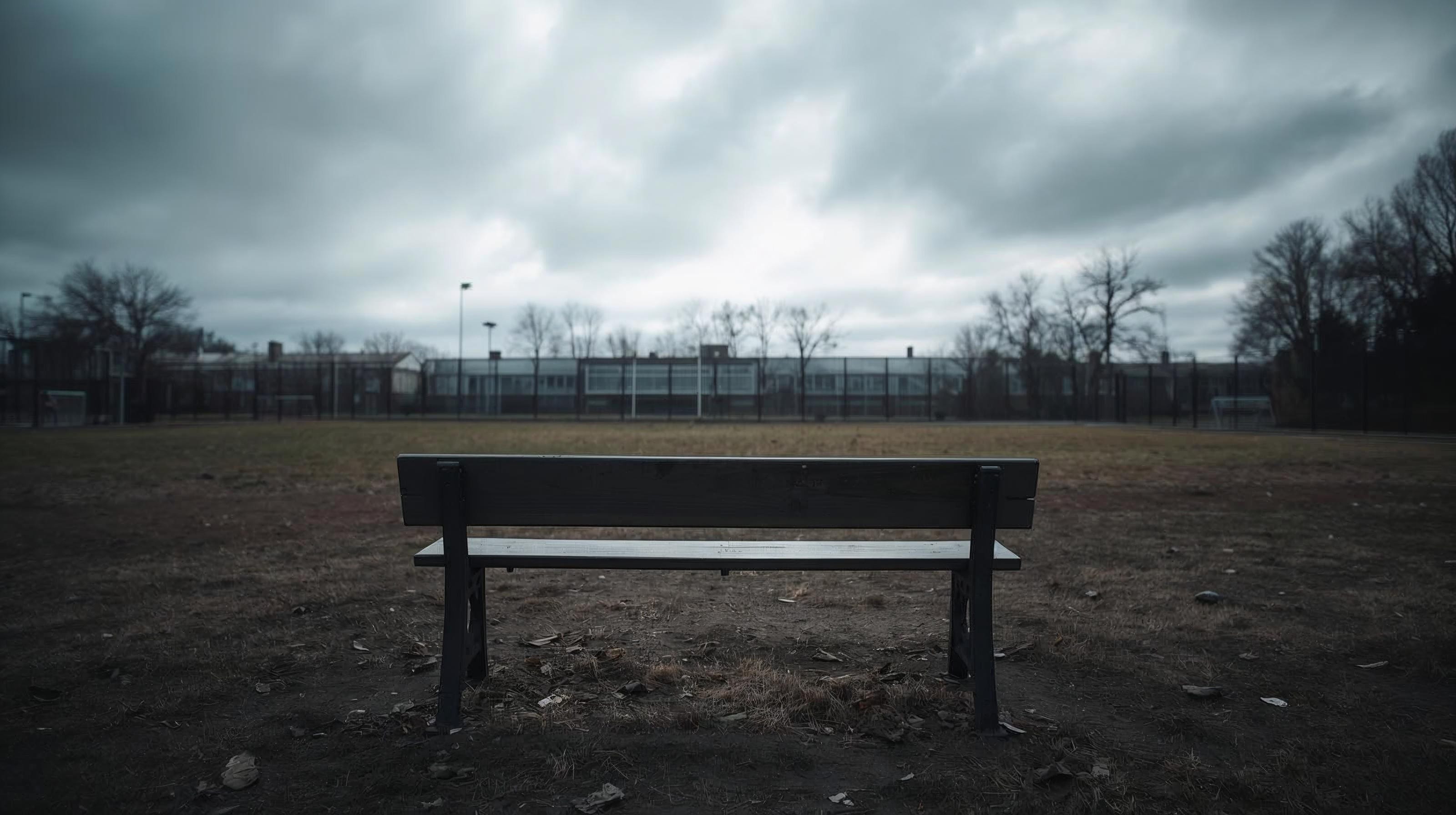
Groups of rambunctious teenage boys would barrel into me, scorning, “Loner!”
Years later, it was one of these boys — now grown — who said to me the words that would become the title of this essay:
“I remember you so well. You were always alone. I could never understand it. And then one day you were gone.”
He didn’t understand because he had no idea what was happening inside the complex, unspoken female social hierarchy of the peer group he belonged to. I didn’t hold it against the boys. I knew they thought I was okay. They simply said what they saw and carried on playing football.
Worse were the moments when the ringleader and her cronies deliberately sought me out — to laugh at me, to call me names far crueller than the boys ever did.
Before long, the bad days outweighed the good. I was utterly miserable.
Partway through that year, I confessed to my parents that school had become unbearable. They offered me the chance — two years late — to try for the grammar school.
I had dismissed the idea at the usual 11+ stage. I was happy at school then. I didn’t want to leave my friends or attend an all-girls school, despite knowing I was bright enough to get in and having my lifelong best friend already there.
But nearly two years later, I snapped up the chance to escape.
Quietly, I sat the late test and passed. My parents arranged the transfer for the start of the next academic year. I told no one except a couple of trusted outlier friends from certain lessons.
When my peers returned to the comprehensive for Year 9, I was gone. All ties were cut.
My childhood best friend became my buffer person at the new school. Without her, starting two years into a secondary school — where friendships and cliques were already firmly established — would have been almost impossible.
As it turned out, it was still difficult.
Within weeks, I found myself the target of a bullying campaign shocking in its viciousness. I had already noticed the disdaining stare of another ringleader within my form group. I was reassured by my friends that I had nothing to worry about — she had a bit of a reputation, they said, but they had my back.
Then, one day after a P.E. lesson, her wingman announced that everyone was to empty their kit bags. The ringleader’s wallet had gone missing.
Confused but intimidated, the class complied. I did too. And then, as if in slow motion, the wallet tumbled out of my bag.
“OMG — she stole it!”
I still do not know why she singled me out with such hatred, or why she chose to plant that wallet in my bag. If it weren’t for a plucky new friend who stood on a table and shouted the gaggle down for their obvious framing of me, I don’t know where things might have led.
I am aware of the temptation toward rose-tinted retrospection. But I know, with my whole heart, that I did nothing to justify such cruelty. Once again, I kept my head down — sticking close to my best friend, quietly observing peer dynamics through the lens of survival.
Thankfully, things settled. This was the first and last incident of bullying at the new school. From that point on, my secondary education was outwardly “successful.” I worked hard, achieved well academically, and left school with strong results. But doing well on paper did not undo what had already been shaped inside me. I was far from happy — often on the edges of social groups — though protected by a handful of deep friendships. I got by.
Time has given me compassion for the pain that likely sat behind the cruelty. Still, as an adult and a parent, I look back with sadness and quiet outrage.
My story pales in comparison to the trauma many bullied children endure. I am grateful I never experienced physical violence. But the subtle, sustained emotional abuse I suffered was formative. It layered itself atop the upheaval of my parents’ divorce, remarriages, the loss of my family home, and the complexity of blended families.
For many years, I struggled with eating disorders and numbed pain with alcohol binges.
I have chosen not to send my own daughters into the lion’s den.
I am not naïve enough to believe this will protect them from all pain, peer conflict, or the challenges of adolescence. But I do believe it is my role to protect them as far as I can.
In my view, the schooling system — as it is currently structured — can and does inflict real harm on vulnerable young psyches. Harm that often travels forward into adult life, shaping relationships, self-worth, and parenting itself.
The pattern stops here with my children.
I write this not as an argument against school in all forms, but as a witness to what happens when children have nowhere safe to land.
Gem, thank you for sharing what must have been a very difficult account to write. I'm so sorry that you didn't have a place to land whilst you were at school. Reading this makes it very clear why you've decided to adopt the approach that you have with your own children. I hugely respect you for that and also for the great courage you clearly took in writing this article. Thank you.
Oh, dear Gem! I can certainly relate to your story. Secondary school can be especially challenging, as it’s such a sensitive and formative period in a young person’s life. Male bullies are often more overt and may even become violent, while female bullies tend to be more insidious, targeting a victim’s reputation and closest relationships.
I’ve been on the receiving end of that behavior myself, but I always fought back. I have a big mouth—you probably know that by now :) What troubles me most is when teachers or other authority figures, out of fear for their own positions, choose to “befriend” the bully—the ringleader. I’ve witnessed this firsthand, and it makes me sick. When that happens, who is left to protect the victim?
As educators, we must put bullies in their place early, or they’ll simply grow up to bully others in corporate environments—on high heels, in suits and ties. Thank you for sharing this story with us.