

What Human Design Can Teach Us About Parenting Differently
Towards a more humane way to raise and educate our children

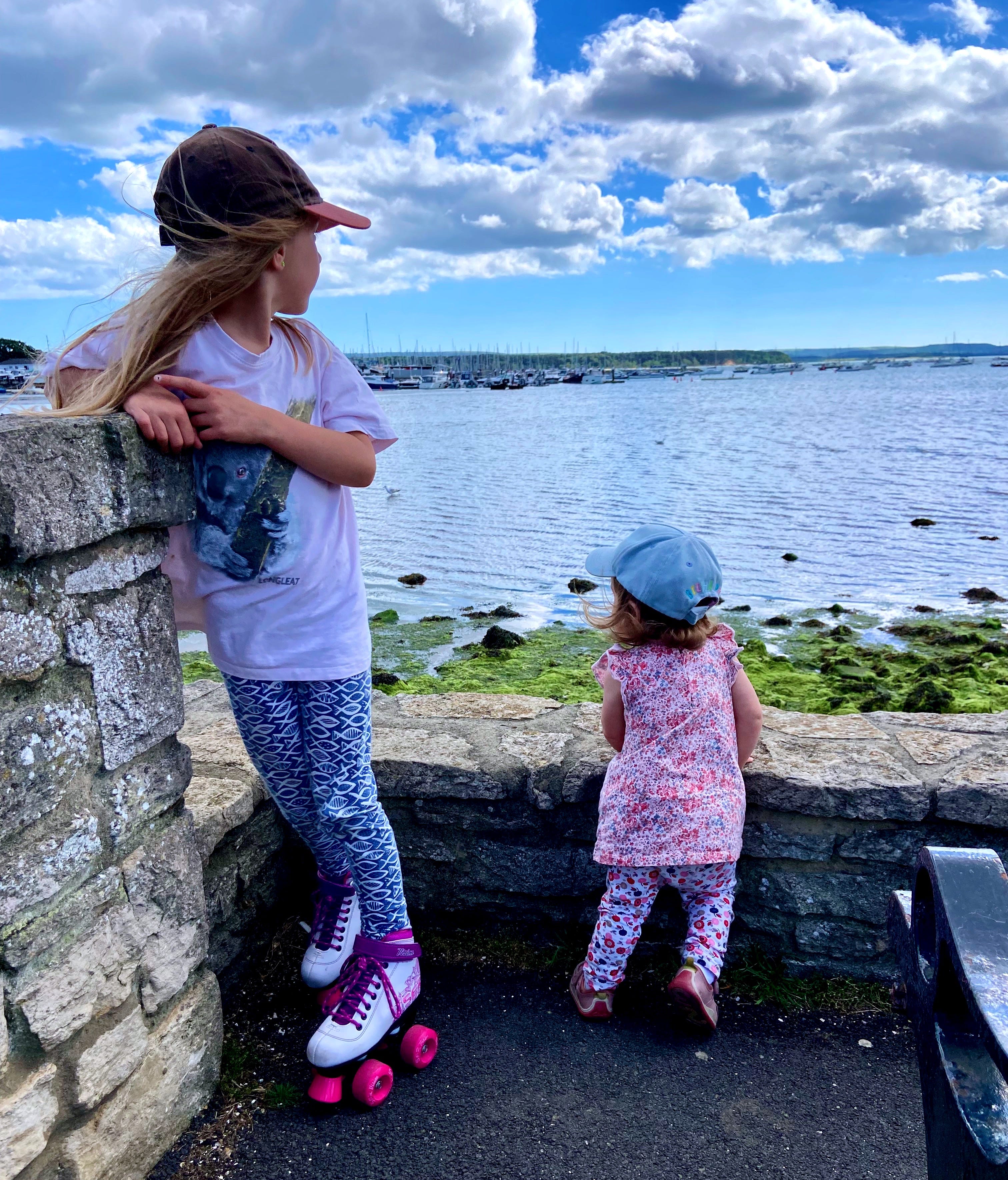
Parenting today can feel like trying to fit a one-size-fits-all pattern onto children who simply aren’t made that way. We follow assessments, curricula, and advice that promise “success,” yet too often these systems overlook the actual child right in front of us. Something feels off, and we end up questioning ourselves — are we doing it wrong, or is it the system that isn’t designed for the child?
Human Design offers a different lens. Not as spiritual fluff, but as a practical framework for noticing how your child naturally moves through the world, responds to experiences, and expresses energy. It gives parents language to guide rather than force, to see rather than judge, and to act with understanding rather than anxiety.
Why Human Design — and Why I Trust It
In my work as a Speech and Language Therapist, I often found myself frustrated by assessments that missed a child’s humour, curiosity, and spark. I remember thinking, “This tool is analysing just one narrow aspect of this child’s whole being…” or noticing how rigid systems left no room for the unexpected ways children learn, express themselves, or problem-solve. I began to question what it really means to nurture a child naturally.
That search for something more humane led me first to the Gene Keys, and then — through time and real-life experience — to Human Design. The Gene Keys offered a poetic roadmap for understanding patterns in life and consciousness, while Human Design gave me structural, mechanical language I could use in everyday parenting.
It reinforced my long-held view that children have innate tendencies and ways of interacting with the world — and that we don’t need to fix, push, or standardise them to guide their growth.
Even small grounding points helped make the system feel credible. For example, Ra Uru Hu’s explanation of neutrinos — billions of particles of matter passing through our bodies from birth — was later confirmed scientifically. It wasn’t proof, but it offered a bridge for those of us who need a thread of tangible reality before embracing broader concepts.
“Human Design knowledge is of great benefit to children and parents, since knowing a child’s design means that they can be guided in the direction of their nature rather than being driven away from it… It is so humane to understand somebody’s design, and in particular between parents and children.”
— Richard Rudd
This captures why I value Human Design: it’s a tool for awareness — and awareness is the first step toward humane parenting.
Core Values: Truth and Humanity
Two values sit at the heart of why this approach matters to me: helping a child find — and stay aligned with — their true nature, and treating them humanely while they do.
Finding truth means noticing who a child is, rather than who they should be. Treating them humanely means offering guidance without coercion, boundaries without unnecessary restriction, and respect without judgement.
Both values shaped my work as a Speech and Language Therapist and continue to guide my home life as a mother and home-educator. I’ve watched countless children be crushed under the weight of assessment results and classroom management expectations, while their natural essence — joy, creativity, resilience — went unseen.
Human Design is not about labelling or limiting; it’s about illuminating and honouring both the challenges and gifts of each individual.
“To be yourself is to bring into your life those beings that are truly for you... As a parent, this has been an essential ingredient in the wellbeing of my children.”
— Ra Uru Hu
Lived Examples: How the Chart Showed Up in My Family
Once I began to see my family through their Human Design charts, patterns became obvious in ordinary moments.
My daughter, a Manifesting Generator with a quad-right Variable and the Channel of the Prodigal, learns in immersive, story-driven, imaginative ways. Her curiosity flows in waves — she may spend hours inventing worlds or exploring one topic, then leap suddenly into something new. To outsiders it might look scattered, but it’s often a right-brained rhythm of deep immersion followed by rapid pivoting.
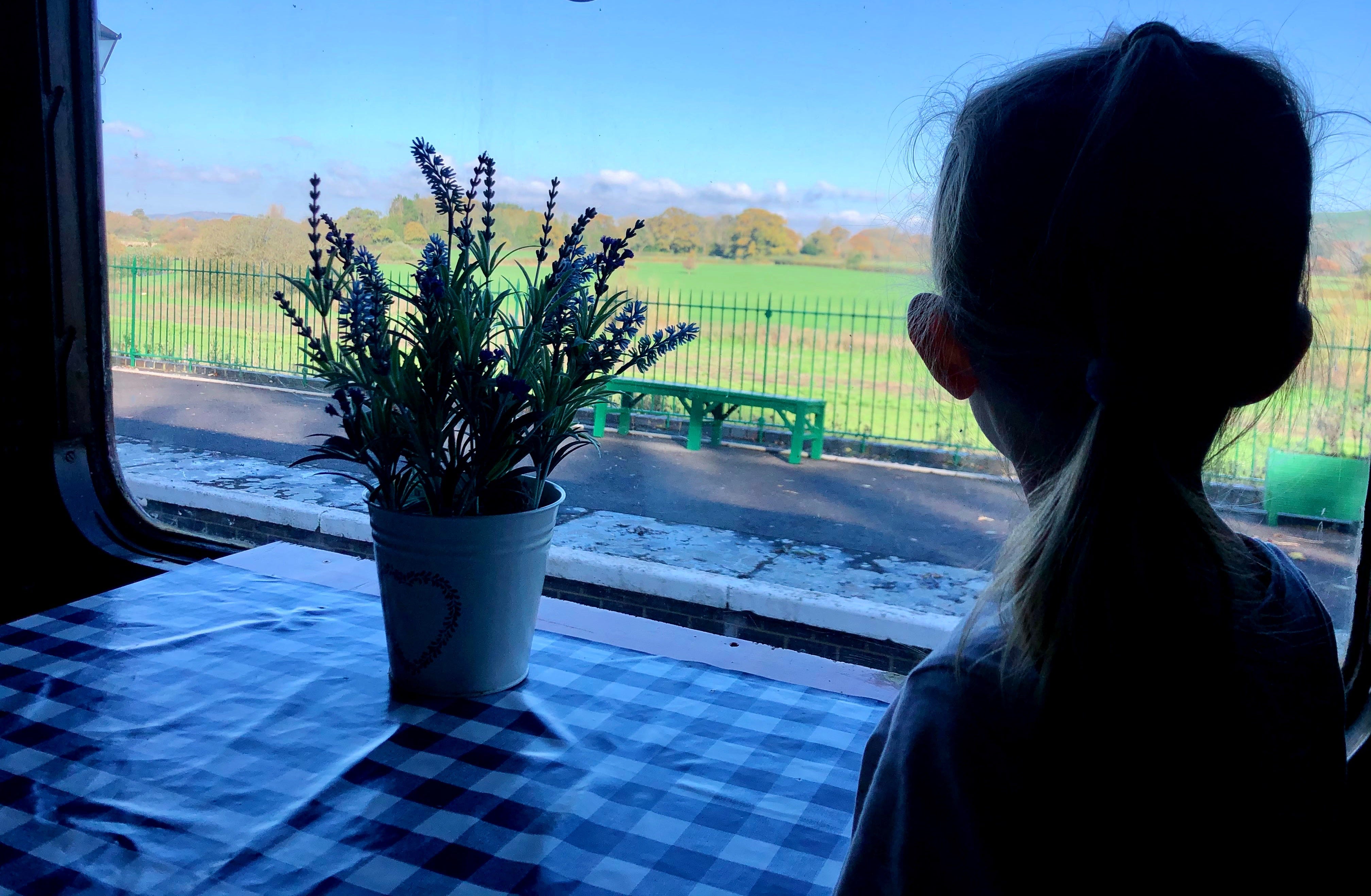
By recognising these patterns I can support her energy in ways that feel natural — giving space when she needs it, scaffolding opportunities when she’s ready, and trusting that her focus will return to the things that truly matter for her development.
I’ve also learned so much from my own design. With a defined Solar Plexus, I experience a strong emotional wave, while my husband and daughters have undefined emotional centres. Understanding this helps me anticipate the emotional rhythm in our home — to ride the wave rather than be overwhelmed. My anxiety has eased, my self-criticism has softened, and I can model for my children how to observe energy and respond, rather than react.
Human Design isn’t a one-off revelation. It continues to guide me daily — a language for deconditioning patterns that don’t serve our family, and for supporting my children in a way that respects their wiring rather than trying to mould them into someone else’s expectations.
Understanding the Types: Practical Starting Points
The Types are a simple entry point. They show broadly how your child moves through the world and give a lens for small experiments you can try at home. Grab your child’s chart here and read below based on what Type they are:
❤️ Manifestor — Freedom Within Limits
Curious, independent, and sensitive to control, Manifestor children thrive when given freedom to act within clear boundaries. When over-controlled they can become angry or withdrawn.
Try this:
offer open-ended options rather than strict instructions;
practice “informing” (tell them what you’re doing and invite them to inform you);
keep safety boundaries clear and otherwise step back.
“Above all they need freedom and wide-open spaces in their relationships and their lives.” — Richard Rudd
💛 Generator — Powered by Response
Generators have sustainable daily energy and light up when something genuinely excites them. They naturally respond with a gut “uh-huh” or “uh-uh” — a bodily truth before words. When politeness or pressure silences this, self-trust can erode and frustration builds.
Try this:
ask yes/no questions and listen for the sacral response;
let them follow interests;
avoid forcing rest or tasks before their energy naturally winds down.
“Parents must learn to respect and encourage the Sacral sounds of their (Generator) children.” — Ra Uru Hu & Lynda Bunnell
🩷 Manifesting Generator — Multi-Passionate Momentum
A Manifesting Generator is a Generator — they share the same sacral guidance and therefore also benefit from yes/no invitations. The difference is speed: Manifesting Generators move quickly, often skipping steps and learning by doing. When they pause and check their sacral before leaping, their creative power is extraordinary.
Try this:
ask yes/no questions as you would with a Generator;
allow them to sample activities without judgment;
encourage a brief pause before action to check in with their sacral;
accept indecision as part of their process.
“They move fast, but their energy builds through response, not initiation.” — Ra Uru Hu.
💚 Projector — Seen and Invited
Projectors aren’t built for constant doing. They’re attuned to others and designed to recognise patterns and guide. When invited and seen they flourish; when pushed to keep up with Generator energy, they can feel exhausted or bitter.
Try this:
offer genuine recognition for insight and effort;
invite their help rather than push them;
allow time and space for processing.
“Parents who invite and recognise their Projector children give them a chance to develop, express and feel the power of being who they truly are.” — Uru Hu & Bunnell
💜 Reflector — Mirror and Lunar Rhythm
Reflectors are deeply sensitive to environment and community. They mirror the wellbeing of their world, and their decisions unfold more clearly when given time and a steady environment.
Try this:
stabilise environments;
use nature as a reset;
teach them to withdraw and reset when overstimulated;
support patience in decision-making (their lunar rhythm matters).
“The parent of a Reflector child has a special responsibility… They need to ensure that their child grows in a balanced way without identifying with all the natural tension of life.” — Richard Rudd
These frameworks are tools, not boxes. Observe, experiment, and see what resonates. If you choose to introduce these ideas to your child, do so gently — invite curiosity, don’t insist on identification.
Small Experiments to Try This Week
Human Design works best as experiment — small, conscious changes that reveal what works.
Try one for a week:
Ask your Generator/Manifesting Generator child two yes/no questions daily and note the sacral responses.
Offer a Manifestor child one “informing” moment per day.
Give a Projector child two genuine recognitions.
Encourage a Reflector child to spend 15 minutes in nature or a quiet space.
Journal three small shifts you notice in your child or yourself each evening.
Parenting, Education, and the Bigger Picture
When we shift from fixing children to honouring individual wiring, we reimagine more than family life — we reimagine education. Children today present a wide diversity of learning styles, sensitivities and strengths. When parents and educators honour that diversity, children develop self-trust, autonomy, and creativity.

Small, humane family experiments ripple outward. Children grow up with integrity; parents learn to guide with presence, not pressure. The result is relationships built on curiosity, respect and love rather than fear and control.
Closing
Human Design hasn’t made my family life perfect, but it has given us a kinder language for being human with each other — a way to experiment, to listen, and to practice more humane parenting.
Try one small experiment this week. Notice what shifts. Watch your child bloom in ways that assessments, schedules, and “shoulds” might never have captured.
Human Design is not about labels — it’s a language for noticing difference.
Thank you for reading — and for being part of this quiet revolution in how we understand learning, life, and our children. 🌿
Further Reading:
🌀 Listening to the Belly, Not the Brain: Supporting My Sacral Child After a Tough Moment — Reflections on parenting with Human Design and learning to meet the moment with presence.
🌊 Living with My Emotional Wave — A reflection on family life with a defined Solar Plexus.
🌸 What Is Human Design—And How Can It Help Me Understand My Child? — From a former therapist turned conscious parent: how Human Design gave me practical tools to understand my child’s unique nature — and myself.
🌱 What Does Knowing Your Child’s Human Design Chart Look Like in Everyday Family Life? — The story of my daughter’s design — and how it’s shaped our conscious parenting and home education approach.
✨ The Power of Emotional Energy in Families. — How Human Design Can Help You and Your Child Navigate Feelings with Awareness and Ease.
🌙 Join the Conversation
Every child shows us something about truth, humanity, and the courage to live authentically.
What has your child taught you about being yourself — or about letting go of old expectations?
I’d love to hear your reflections in the comments below.
💫 Stay Connected
As well as my Energy Pattern Profiler (a tool to help you understand your child’s natural learning rhythm through the lens of natural child development & Human Design), I’m also currently developing a set of gentle archetype characters and short stories to help children recognise their strengths without labels.
Subscribe to be the first to receive it, and to get my newest reflections on consciousness and education.
💌 A Little Invitation
I’m experimenting with something new — offering free, short Human Design chart insights for my Substack subscribers.
These are informal snapshots, not full readings — around five minutes of reflections recorded as a voice note and sent via Substack DMs. My intention is to explore how Human Design can support real families, and to keep learning through genuine connection.
If you’d like to take part, simply DM me with:
your child’s or your own birth date, time, and location
a short line about what you’re curious about (e.g. “supporting emotional sensitivity,” “understanding energy cycles,” “motivation and learning,” etc.)
I’ll be sending a few each week and keeping a waiting list if interest grows.
This is a gentle, human-scale way for me to deepen my practice, share insights, and connect more personally with the people reading here.
I won’t offer these long-term — but for now, it feels good to share freely, learn through practice, and connect more personally with this community. 🌿
🌍 Share if this Resonates
Know someone who’d appreciate this perspective?
Share this piece with them - each share helps this conversation ripple further.
One of the biggest draws for me to Human Design, beyond understanding my own chart, was that of my children. Not only does it help remind me of their individualization, but looking at their charts also helps provide insights into the ways I can support them in that process. It's not always a perfect science (still human after all) but I have loved learning more about my children through the lens of Human Design. My oldest has even become interested in learning about her design and will sometimes ask me to read some of her gifts to her before bed. Thanks for sharing your experiences!
A brilliant article, thank you. I'm raising a manifesting generator and knowing a bit about her chart has helped me enormously. I think it's funny when people say there's no handbook for raising a child when there literally is one in human design.