

Education at the Turning Point: How a Receptive Age Is Emerging from a Strategic World
Why today’s children are showing us that learning isn’t about focus and structure anymore - it’s about presence, perception, and trust.

A World on the Edge of Change
Something profound is changing in how our children learn.
Not just what they’re learning - but how their consciousness itself operates.
For generations, education has prized focus, memorisation, and measurable outcomes. These belong to a world long ruled by a strategic, structured mode of awareness - analytical, routine-based, linear.
But a different kind of intelligence is emerging. More and more children simply don’t fit this mould. They learn through immersion rather than instruction; they thrive in flow, not in focus.
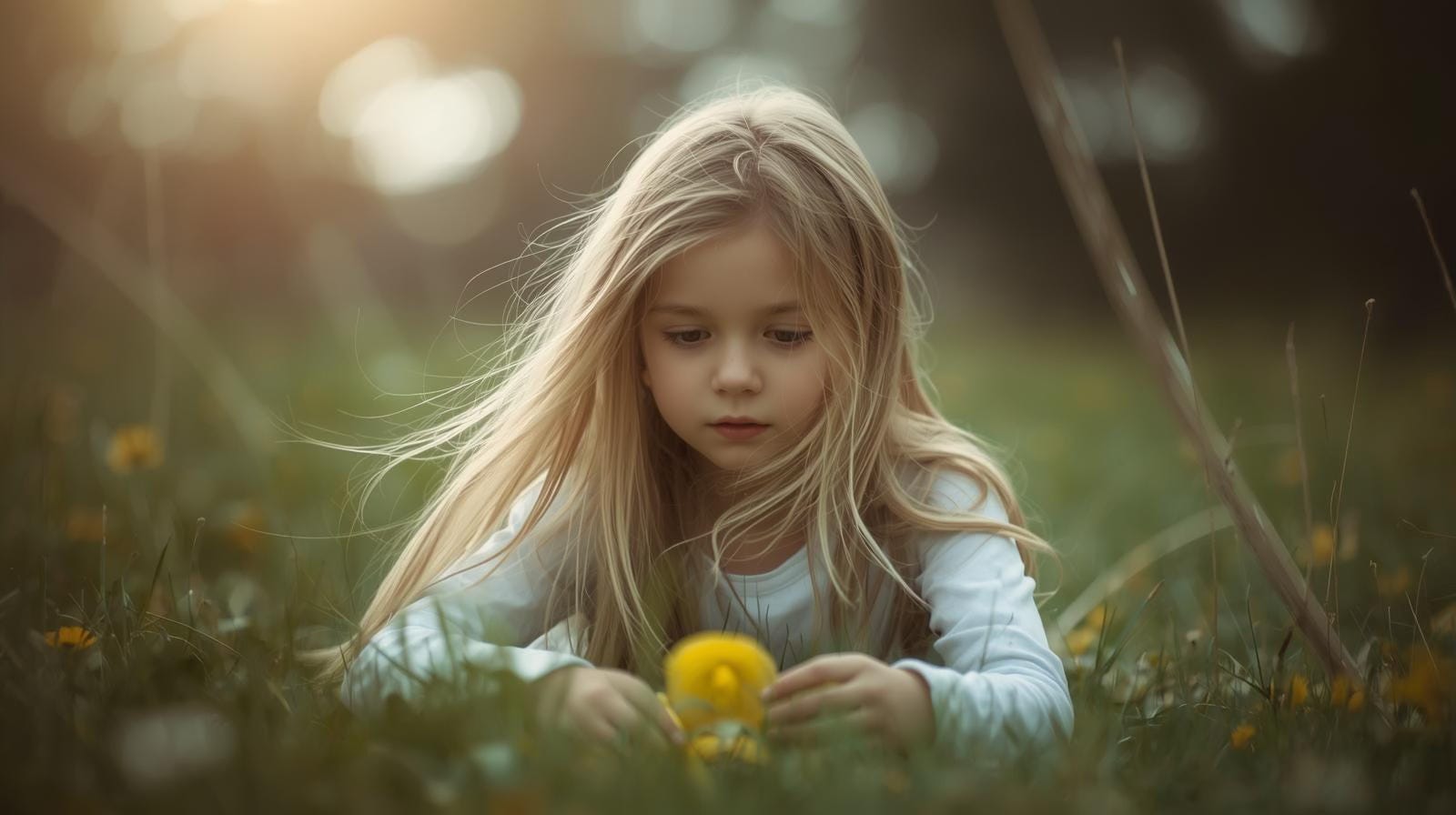
I see it every day. My daughter learns not through direct teaching, but through living.
She’s drawn to people and their stories. Recently, she’s become captivated by a YouTube channel about scuba diving. My left-brain conditioning is tempted to turn it into a “learning opportunity” - to ask about the science, quiz her on geography, explain how the equipment works. But she repeatedly chooses the videos where the main diver brings his family along, smiling as the teenagers splash around and make jokes.
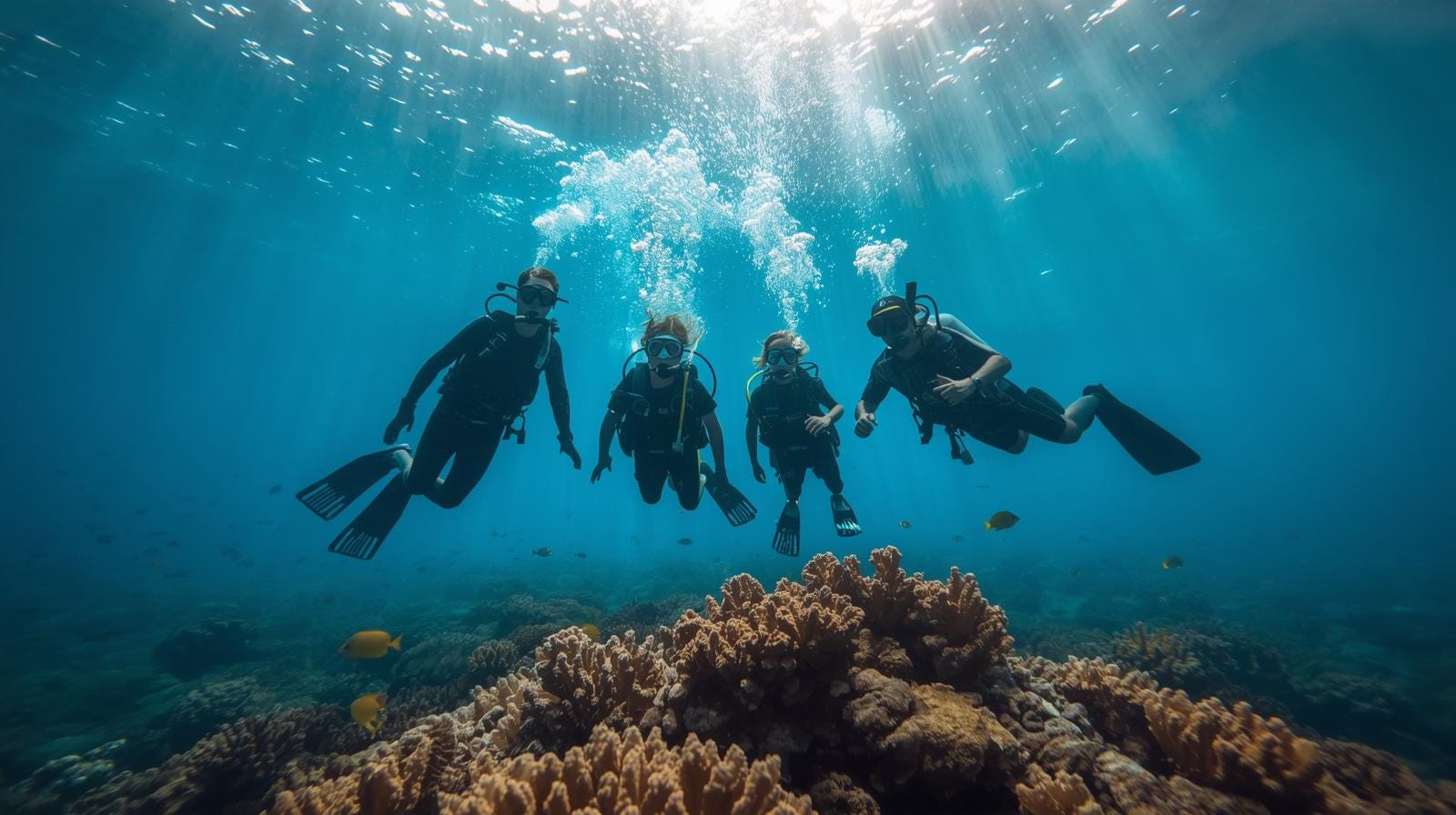
Recently, she surprised me by explaining the difference between backward and forward water entries, the hand signals divers use, and what Cenotes are - all gathered from watching the family’s joyful adventures. What she absorbed wasn’t just information; it was relationship, rhythm, and wonder. She had learned through connection.
All around the world, parents are noticing similar shifts. Many are quietly walking away from conventional schooling. Home education, micro-schools, and self-directed learning communities are growing faster than ever before.
Beneath these statistics lies a deeper story - one of families listening to an inner knowing that the old paradigm no longer fits.
Education has become one of the first places where our collective consciousness is learning to reawaken - one child, one parent, one moment of trust at a time.
I explored this more personally in What Does a More Right-Brained Education Look Like?, where I reflected on how story, imagination, and the unseen depths of childhood learning unfold when we step out of the way.
The Myth and the Truth: What Science Actually Says
We’ve all heard of “right-brained” and “left-brained” learners - a catchy phrase that has captured the public imagination but frustrated neuroscientists.
Brain imaging shows both hemispheres are active in nearly every process. The idea that people are purely one or the other isn’t biologically accurate.
And yet, in practice, there’s still a truth beneath the myth.
As a Speech & Language Therapist, I saw how differently children engaged with learning. Some wanted steps, rules, and routines; others needed rhythm, humour, and connection. When I matched my approach to their natural style, they relaxed - and learning happened almost effortlessly.
It’s not really about hemispheres. It’s about how awareness moves through the body.
Human beings learn through sensory, emotional, and relational pathways. What neuroscience describes in circuitry, Human Design maps as cognition. It gives us language for what educators have always observed: that there are many ways of knowing, and not all of them are strategic.
From Brain to Being: What Human Design Adds
Human Design’s framework of Variable (the 4 arrows at the top of a person’s chart) offers a deeper way to understand this diversity - describing how we take in life, digest information, and express awareness.
Strategic cognition is focused and structured. Receptive cognition is diffuse, open, absorptive.
Ra Uru Hu warned that modern education can be devastating for receptive minds, because they are not designed to focus - they are designed to take in.
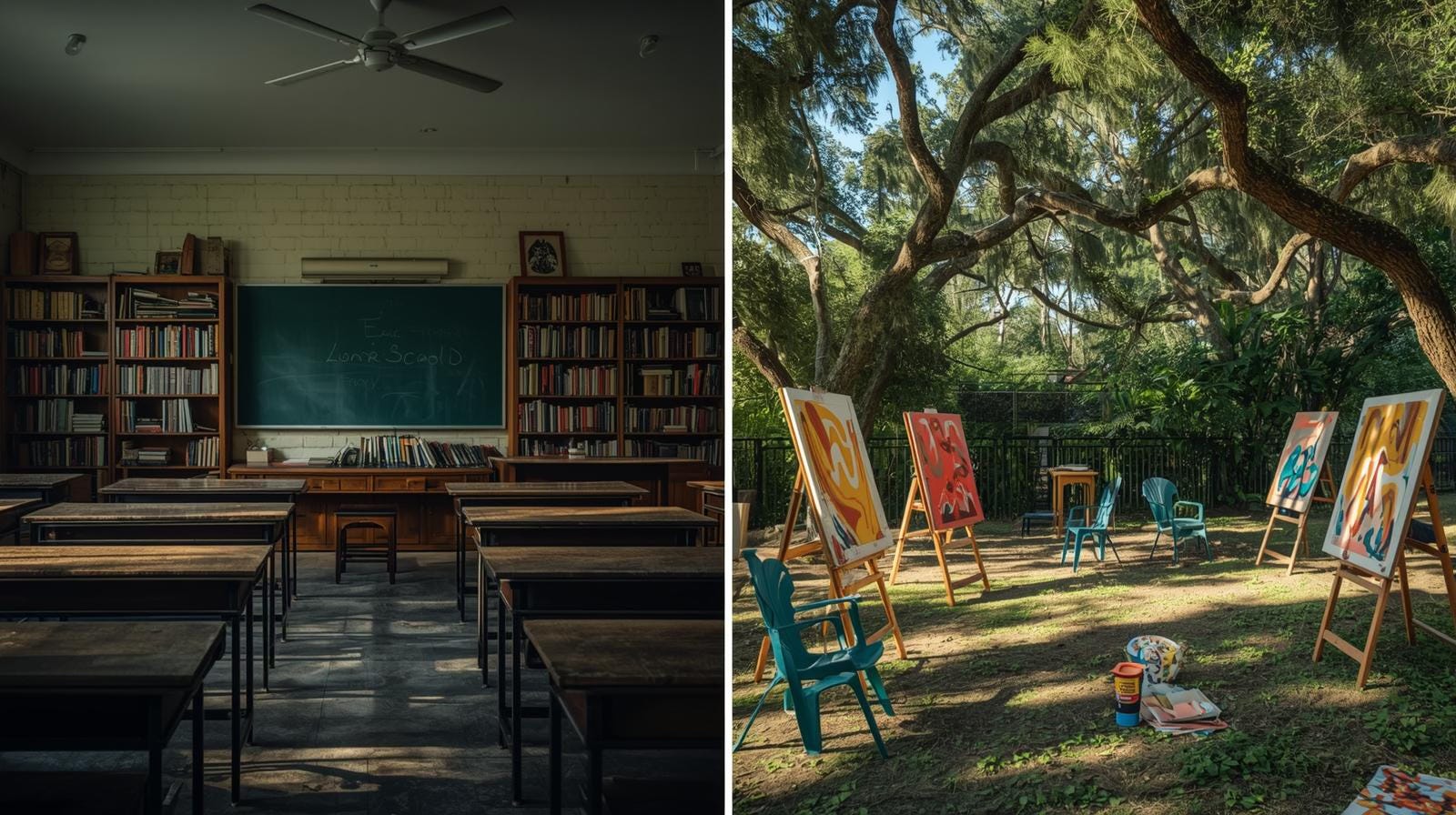
I met many children labelled “unmotivated” or “withdrawn” simply because they resisted structured schoolwork. In sessions, I’d follow their lead instead of imposing mine. One child who was fascinated by train timetables used them to explore language, sequencing, and numbers far beyond his years. Others came alive when learning was playful, rhythmic, or sensory.
Too much of what we call “education” is about evidencing learning - written outcomes, measurable steps - rather than the actual learning itself, which happens in the moment, through connection and curiosity.
This, I believe, is the heart of education’s crisis: not that children can’t keep up, but that the system only recognises one way of being intelligent.
Receptive Intelligence: A New Definition of Learning
Receptive awareness challenges everything we assume about intelligence.
It shows that learning is not only about effort - it’s about environment.
In The Right Stuff in a Left World, Ra Uru Hu described the receptive mind as “peripheral and open.” It learns through being in the field, not dissecting it.
I saw this again and again, especially with autistic children. One boy, around five, rarely responded to direct questions. He seemed to live in his own world, endlessly playing with sticks and brooms. Over time, through gentle mirroring and joining his rhythm, he began to notice me - first with curiosity, then delight. His “long things” became swords and lances, and soon we were knights, ninjas, explorers. Laughter replaced withdrawal, and language began to emerge naturally as he began to share his inner world.
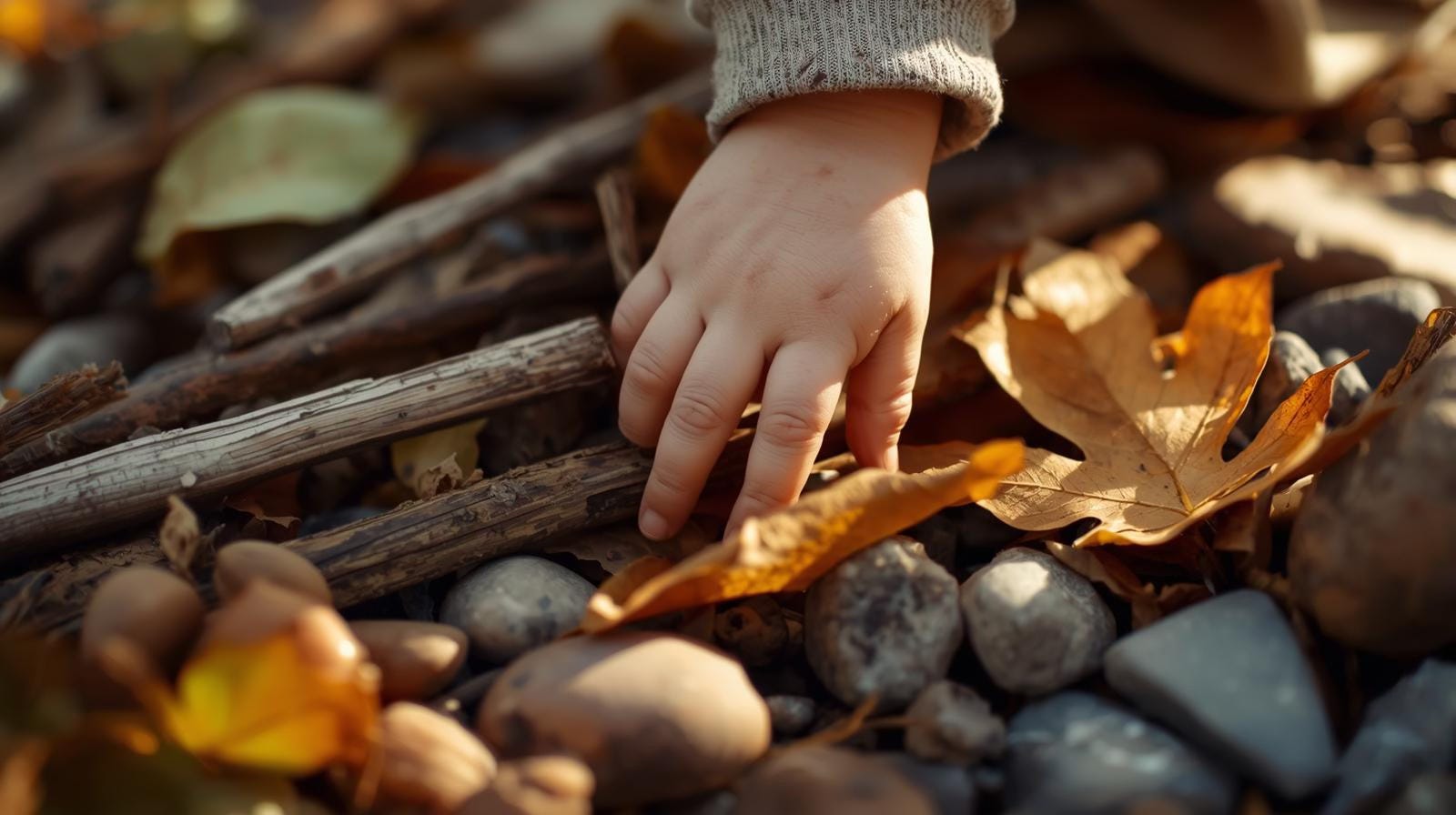
At home, I see the same pattern. On a blustery walk, my daughter recently stopped to watch leaves swirling in the wind. “It’s a mini tornado,” she said. “The cold air is dancing with the warm air.” Days later, when we struggled to get her to eat at forest school, a simple metaphor - “you’re like a car that needs fuel” - clicked instantly. She picked her model, designed its logo, and started eating lunch every time.
That kind of spontaneous, embodied understanding isn’t taught. It’s born from a mind that learns through connection, not curriculum.
This is receptive intelligence - the form of knowing that grows in stillness, play, and relationship.
Parenting and Educating the Receptive Way
So how do we support this kind of learning - as parents, educators, or simply as humans meeting a new consciousness?
First, we slow down. Receptive awareness can’t be rushed. It needs unhurried time, gentle rhythm, and emotional safety.
Second, we replace performance with presence. These children learn best when they feel connected and unjudged. If they seem to drift, it doesn’t mean they’re not learning - it means they’re absorbing.
Third, we design environments that nurture sensory and emotional awareness:
calm, uncluttered spaces
freedom to move
time outdoors
opportunities for art, story, and play
I think of a winter afternoon when my daughter wanted to play swimming pools with her figurines. I almost said no - it was messy and time-consuming. But I stopped myself. We made the water warm and began to play (aka experiment) - measuring depth, exploring what floated or sank. Later, she made pool signs and taught her dolls basic first aid. That slow afternoon wove together physics, biology, literacy, sensory play, and joy - all without a single formal lesson.
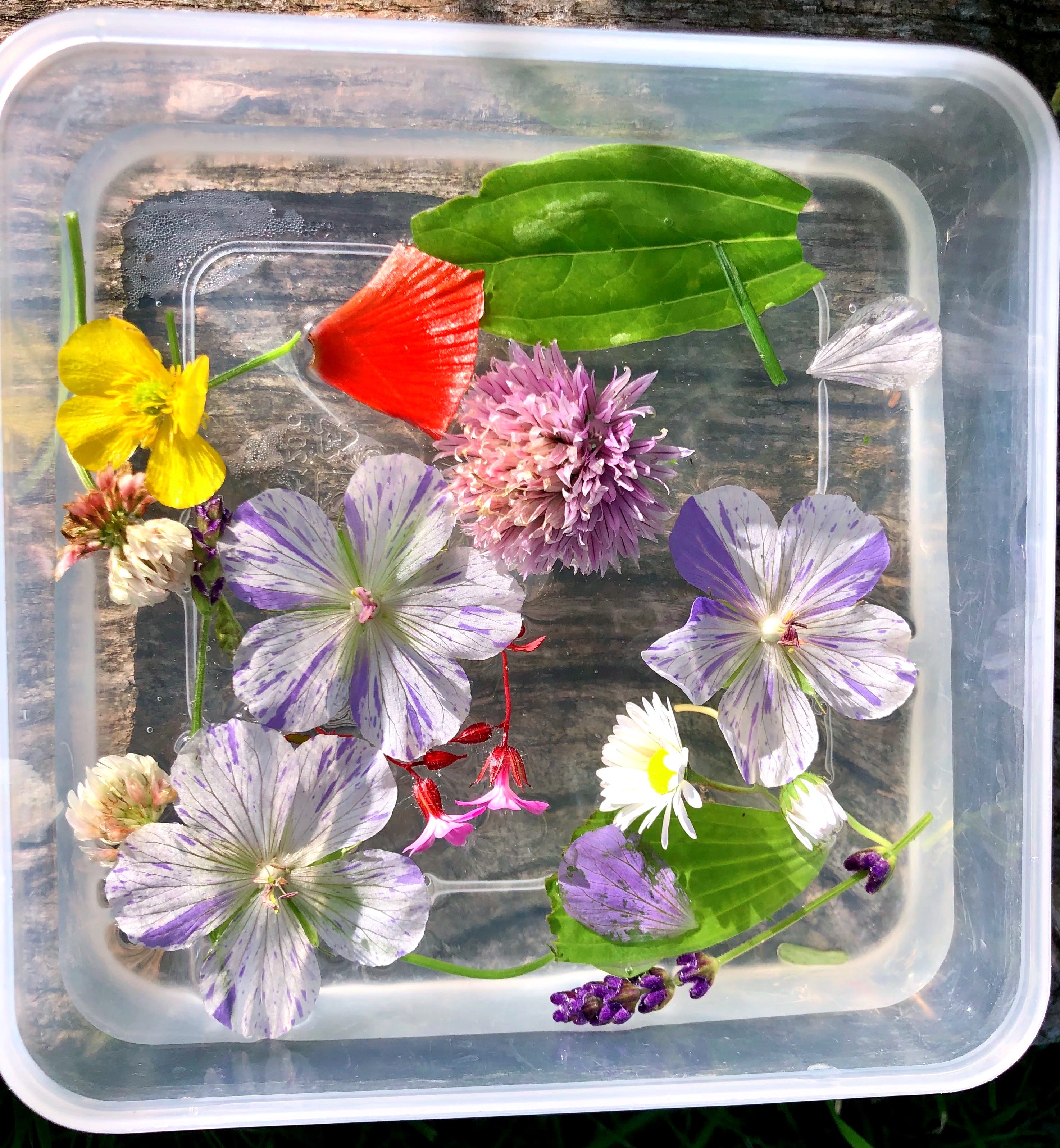
When we stop trying to direct the process, learning finds its own elegant way through.
A Paradigm in Transition
Human Design describes modern humans as Homo Sapiens in Transitus - a species in transition. We are moving from a strategic, control-based consciousness toward a more receptive, participatory one.
This shift is visible in the classroom - and in the world. Many neurodivergent and highly sensitive children reveal, sometimes starkly, where our systems no longer fit the human spirit. They struggle to thrive in environments built on competition and control, not because they are “difficult,” but because their nervous systems and ways of relating are calling for connection, sensory safety, and authenticity. In this way, they mirror back to us what all children - and perhaps the world itself - are beginning to need.
I remember setting up a “sensory disco” at an autism-specialist school. The room was softly lit, with gentle sensory lights, soft cushions, and rhythmic, spacious music. At first, the children seemed unsure, even hesitant. Gradually, though, they began to move freely, to explore sound and light, to enjoy their bodies and sensations without any demands placed on them. There were occasional moments of shared rhythm - spontaneous humming, a mirrored movement, brief bursts of laughter - but the deeper gift was the atmosphere itself: a space where they could simply be, without expectation or pressure.
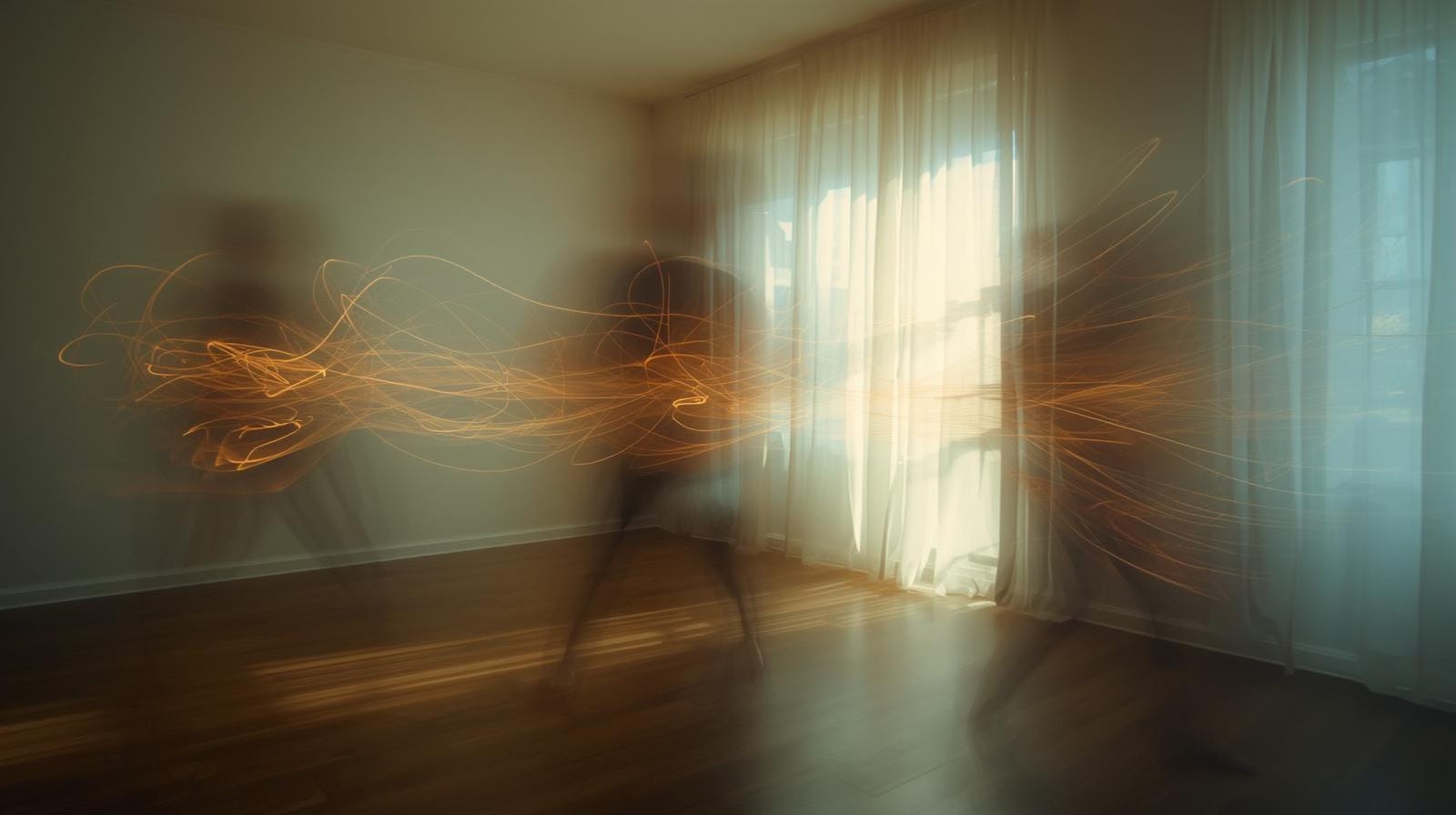
Interestingly, it wasn’t only the children who had to adjust. Many staff members found it difficult to “just be” - to let go of teaching, commanding, or fixing. Some stood awkwardly at the edges; others whispered that it looked silly. Only a few matched their energy to the group, joining the quiet joy of it. Those few glimpsed what was really happening: communication without words, harmony without control.
The sessions eventually faded when I could no longer justify them in a system driven by targets and outcomes. It was heartbreaking, but revealing - there is little space for this kind of right-hemisphere learning within the old paradigm.
And yet, that’s precisely what’s being asked of us.
The Gene Keys describe this moment beautifully through Key 11 - the reawakening of imagination and the feminine mind. As humanity rebalances, our collective “right brain” - the intuitive, connective, image-rich side of consciousness - is re-emerging after millennia of suppression.
Human Design teaches that after 2027, a new form of awareness will take root - one that values communion over control. Whether or not we view that literally, something in us recognises the truth of it. The structures of old education are dissolving, and something far more organic is trying to be born.
Conclusion: Presence as the New Intelligence
Perhaps the true revolution in learning isn’t about hemispheres at all - it’s about remembering that growth begins not with doing, but with being.
Whether we frame it through neuroscience, Human Design, or simple observation, the message converges: the future of education lies in attunement - in meeting each learner as a whole being.
All around us, children are embodying the consciousness of the new era - sensitive, creative, relational, awake. They are showing us that awareness itself is intelligence.
Our task - as parents, educators, and humans in transition - is to create the conditions where that awareness can thrive.
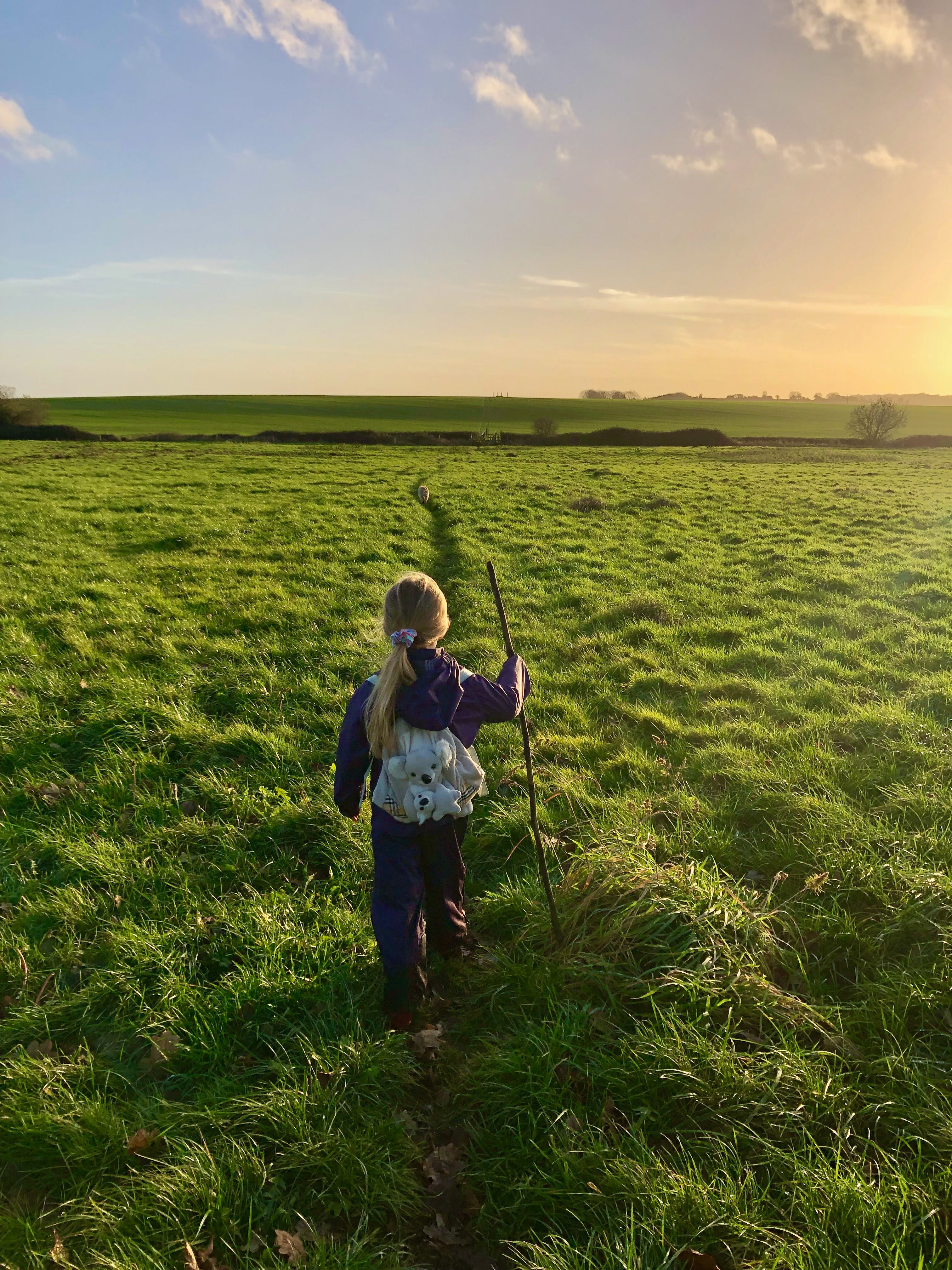
In the end, it doesn’t matter what we call it - receptive learning, feminine consciousness, or simply presence. What matters is that we start listening - not just to data, but to the living intelligence unfolding through every child.
Thank you for reading — and for being part of this quiet revolution in how we understand learning. 🌿
Further Reading
✨ What Does a More Right-Brained Education Look Like? — a reflection on story, imagination, and the unseen depths of right-brained learning.
🌸 Reclaiming the Feminine in Learning — exploring how sensitive, creative children are leading us toward a new education paradigm.
🌙 Join the Conversation
How does this theme resonate with you?
Do you see signs of this “receptive shift” in your family, your classroom, or your own learning journey?
I’d love to hear your reflections - share your thoughts in the comments below.
💫 Stay Connected
I’m currently developing my Energy Pattern Profiler - a tool to help you understand your child’s natural learning rhythm through the lens of natural child development & Human Design.
Subscribe to be the first to receive it, and to get my newest reflections on consciousness and education.
🌍 Share if this Resonates
Know someone who’d appreciate this perspective?
Share this piece with them - each share helps this conversation ripple further.
This was really interesting to read. I realised that my daughter is also drawn to people and their stories and when she feels connected, she is engaged.