


The Problem With Skills-First Education
Modern education has an obsession: skills, drills, techniques, competencies.
Children move from one measurable outcome to the next, as if learning were a checklist rather than a living process. And while skills do matter, this hyper-focus tends to squeeze out the very thing that makes learning meaningful — the human spirit that animates it.
I’ve felt this personally.
From the moment I could stand, I danced. My parents put me in dance classes, and for a while, technique helped shape my joy into something more refined. But as I grew, the pressure mounted — the perfect lines, the right posture, the constant corrections. I thought I wanted to go to stage school at 18, but within half a term the pressure became overwhelming, the joy was gone, and I quit. Technique had swallowed the spark. The thing that was once my passion suddenly felt like a cage.
And yet this weekend, watching the unique expression of the dancers at my daughter’s first street dance show, I was reminded of what real mastery looks like: not technical precision, but pure life-force pouring through the body. The kind of dancer who moves you is never simply good at technique — they are alive inside it.
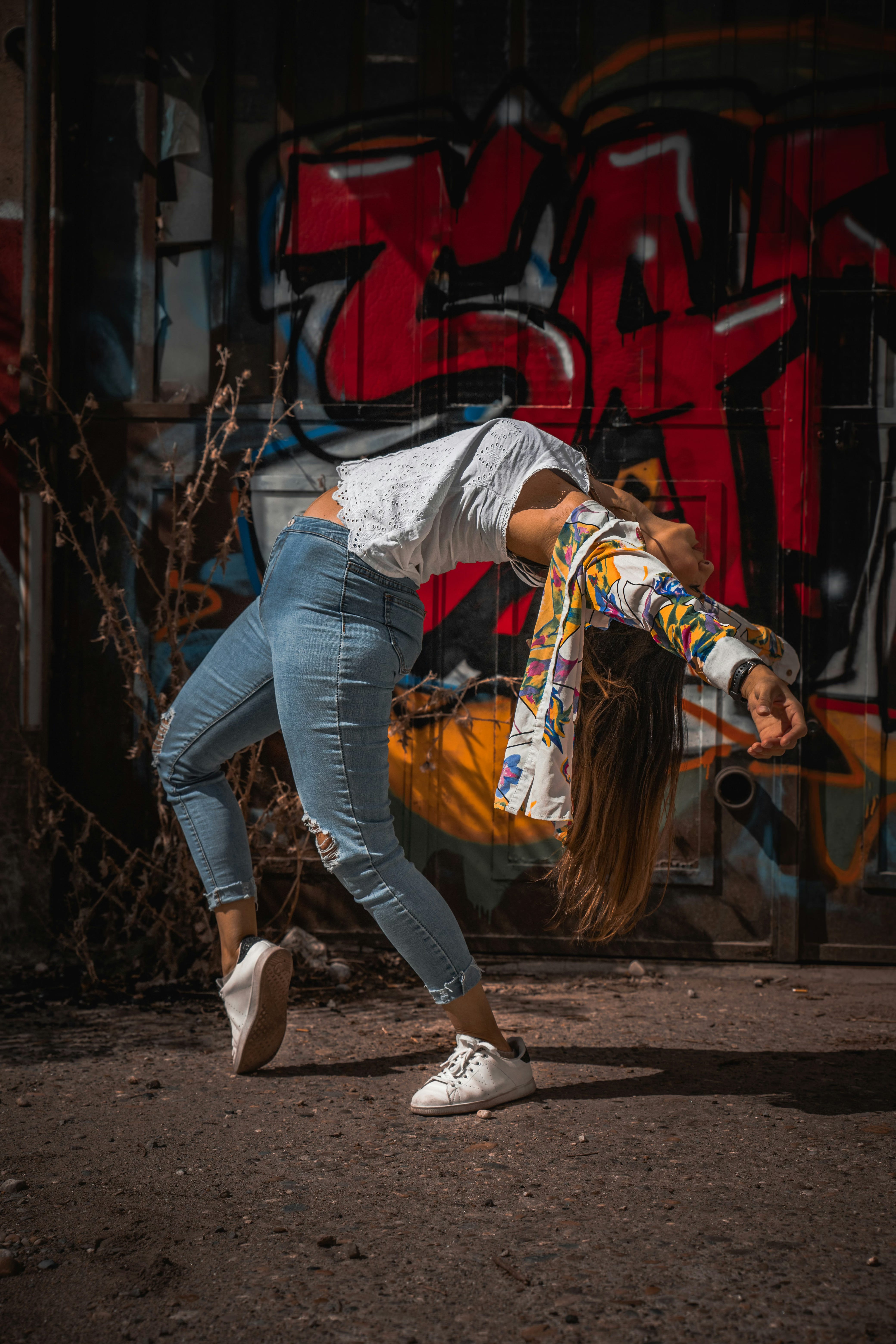
Something is lost when education focuses on outcomes instead of essence. Something essential, something human.
Beyond Technique: What Real Learning Actually Looks Like
Skills are not the same as learning. Technique is not the same as mastery.
Real mastery — the kind that Gene Key 16 points toward — is versatility. It’s what happens when technique becomes a springboard for authenticity, creativity, and freedom.
Versatility is when a child feels confident enough to:
experiment
combine
adapt
improvise
invent
It’s when they move beyond “doing it right” to doing it their way.
Some of the most talented people on earth never had formal, technique-heavy training.
Michael Jackson couldn’t read music, yet entire songs came to him as if downloaded — multiple instrumental lines, rhythm, melody, all at once. Musicians simply helped translate what he was already hearing internally.
I’m no MJ of course, but I have written many songs with my voice and guitar without a single lesson — just intuition, play, and exploration.
Many of the children I watched dancing at the street dance show had only received a little “formal training” so far — their confidence and spirit (which their teachers emphasise over drilling technique) were the driving force behind their show-stopping performances.
That’s versatility: technique in service of spirit, not the other way around.
Children may show this long before adults notice:
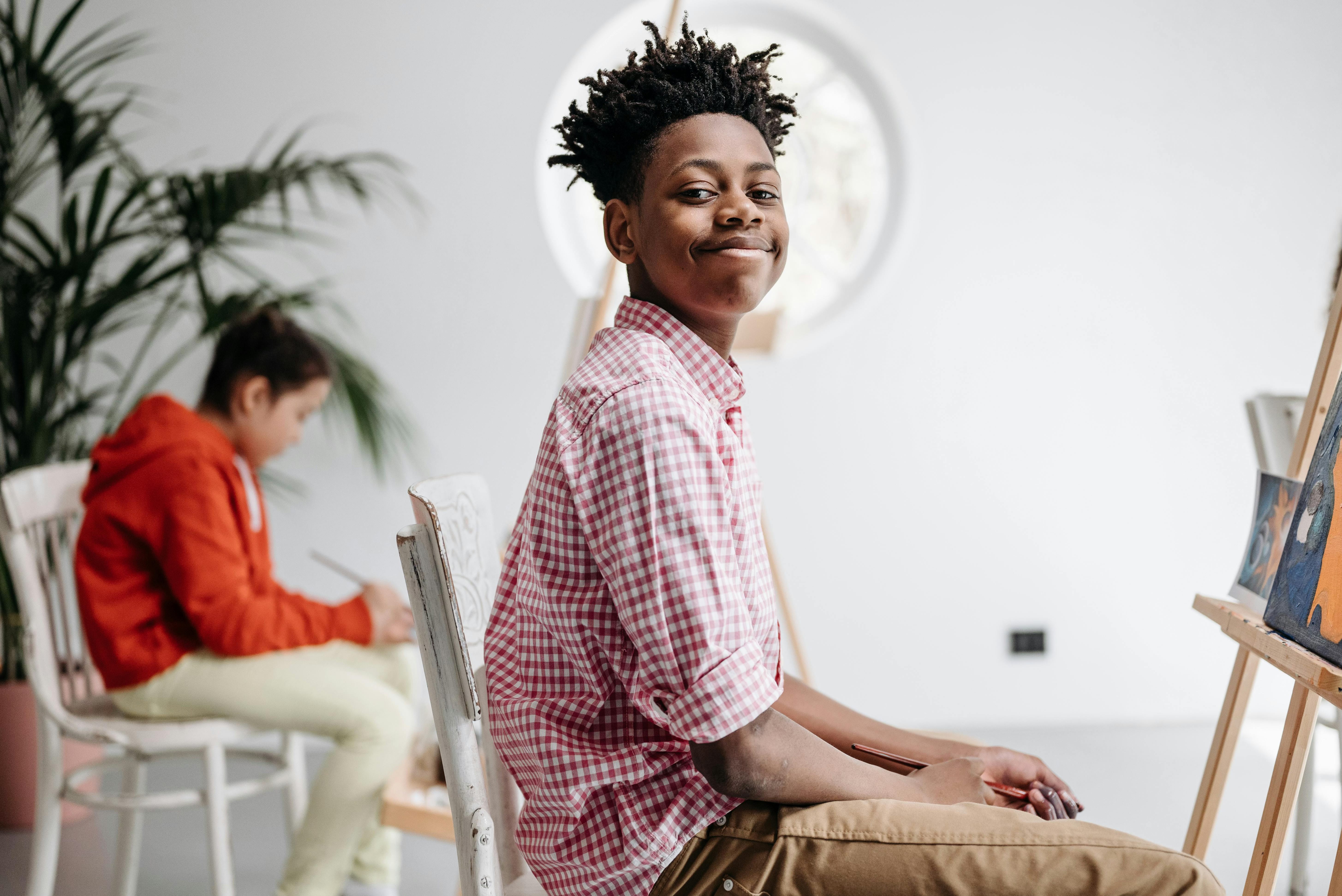
a child who immerses themselves in drawing before ever having an “art lesson”
a child who plays an instrument by ear after learning a few notes
a child who invents their own maths games instead of completing worksheets
a child building complex cardboard constructions born purely from imagination
But in my years as a Speech and Language Therapist, I saw the opposite: children reduced to data points.
An autistic child with a handful of recognisable words — “severely delayed” according to the test — yet she could sing full songs in perfect pitch. A teenager with ADHD whose humour lit up every room, whose timing was impeccable, whose potential as a natural comedian was astonishing — yet his report reduced him to having “poor expressive language.”
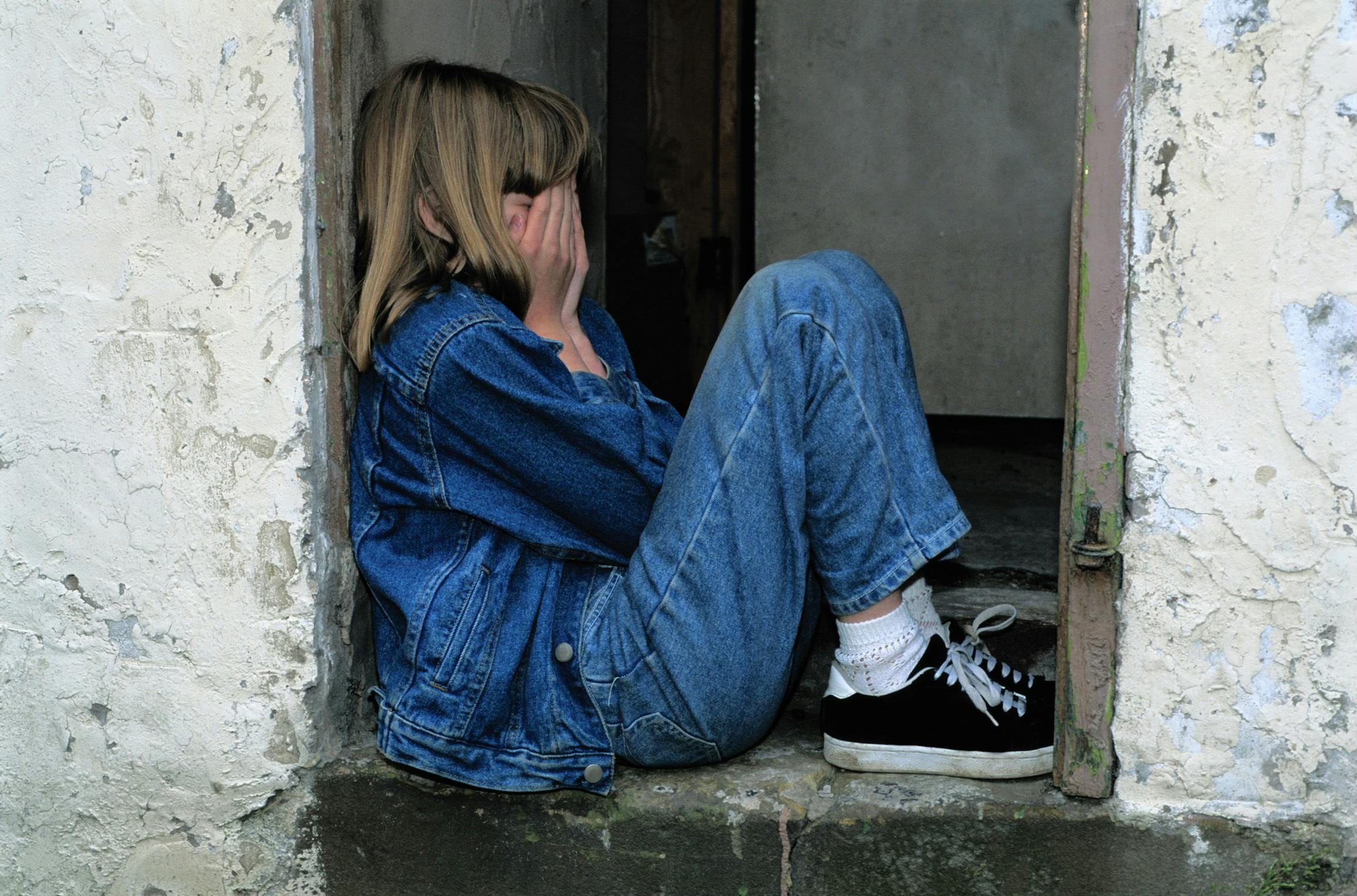
The tests were designed to highlight deficits, not gifts. To focus on what children found hardest, not what came alive effortlessly.
I used to believe this helped. Now I’m not so sure.
What if real growth comes from building on strength, not fixing weakness?
Technique will always have a place. If spirit is the river, technique is the bank that guides its flow. But technique alone cannot reveal a child’s natural genius.
For that, we need a different lens.
A New Role for Parents: From Educators to Talent Spotters
What if our job isn’t to teach everything? What if our true role is simply to spot what’s already there?
Talent spotting means noticing the sparks:
the things they return to again and again
what comes easily
where their energy expands
the themes that repeat in their play
the abilities that show up without being taught
This is how children reveal their innate genius — not through curriculum, but through patterns of enthusiasm and ease.
Once you spot a talent, you can begin shaping the environment around it:
more of the materials they naturally reach for
time and space for deep dives
the right sensory environment
the right mentors or peer groups
emotional support that matches their temperament
The combination of an attuned adult who builds confidence through noticing and nurturing natural gifts — plus a supportive environment — is a powerful foundation for authentic growth.
Where Human Design helps
You don’t need Human Design to be a good parent — but it can offer rich additional layers of insight.
Rather than labelling children, HD helps highlight the areas where their natural energy is strongest:
a child with a defined Throat who is born to express
a Sacral child who learns best through doing
a child with a creative right-brained Variable who needs space, slowness, and immersion
gates that point toward storytelling, sensitivity, leadership, pattern-seeing, inventiveness
For many parents, Human Design acts like a compass — not the map itself, but a tool that helps you orient and recognise what was already present.
For example, I came to notice a subtle pattern in my daughter: she would quietly absorb everything in a group, and later share a perfectly timed, insightful comment — revealing just how much she had taken in while seeming not very engaged. At first, I missed these moments, didn’t give them much thought. But later, looking at her Human Design chart, it made perfect sense: her Channel of the Prodigal reflects the ability to distill experience into quiet wisdom, her quad-right Variable shows a highly receptive learning style, and her open Solar Plexus contributes to deep attunement. That small, understated behaviour was already written in her energetic blueprint.
The Gene Keys offer a beautiful expansion of this idea:
“This 16th Gene Key is hugely important for the further evolution and sustainability of humanity because it involves the correct education of our children. Through this Gene Key we can spot a child’s inherent talents early in life, and we can place them in an environment that best supports nurturing those talents… groupings of genius that when brought together can liberate prosperity exponentially throughout our civilisation.”
— Richard Rudd
When we learn to see children clearly, we participate in something far bigger than education — we become part of the future architecture of human genius.
The Hidden Challenge for Parents: The Love Blur
But here’s a paradox I’ve noticed:
Although we know our children better than anyone, sometimes our love for them may make it hard to see them clearly.
I call it the love blur. It’s when:
their strengths feel “just normal” because we see them every day
we don’t have enough contrasting personalities around them
their brilliance hides in plain sight
our triggers cloud what they’re showing us
I experienced this profoundly after moving from my professional role into motherhood. I realised that I sometimes struggled to see my own child’s strengths in the same way I could so easily see those of a child I didn’t know as intimately.
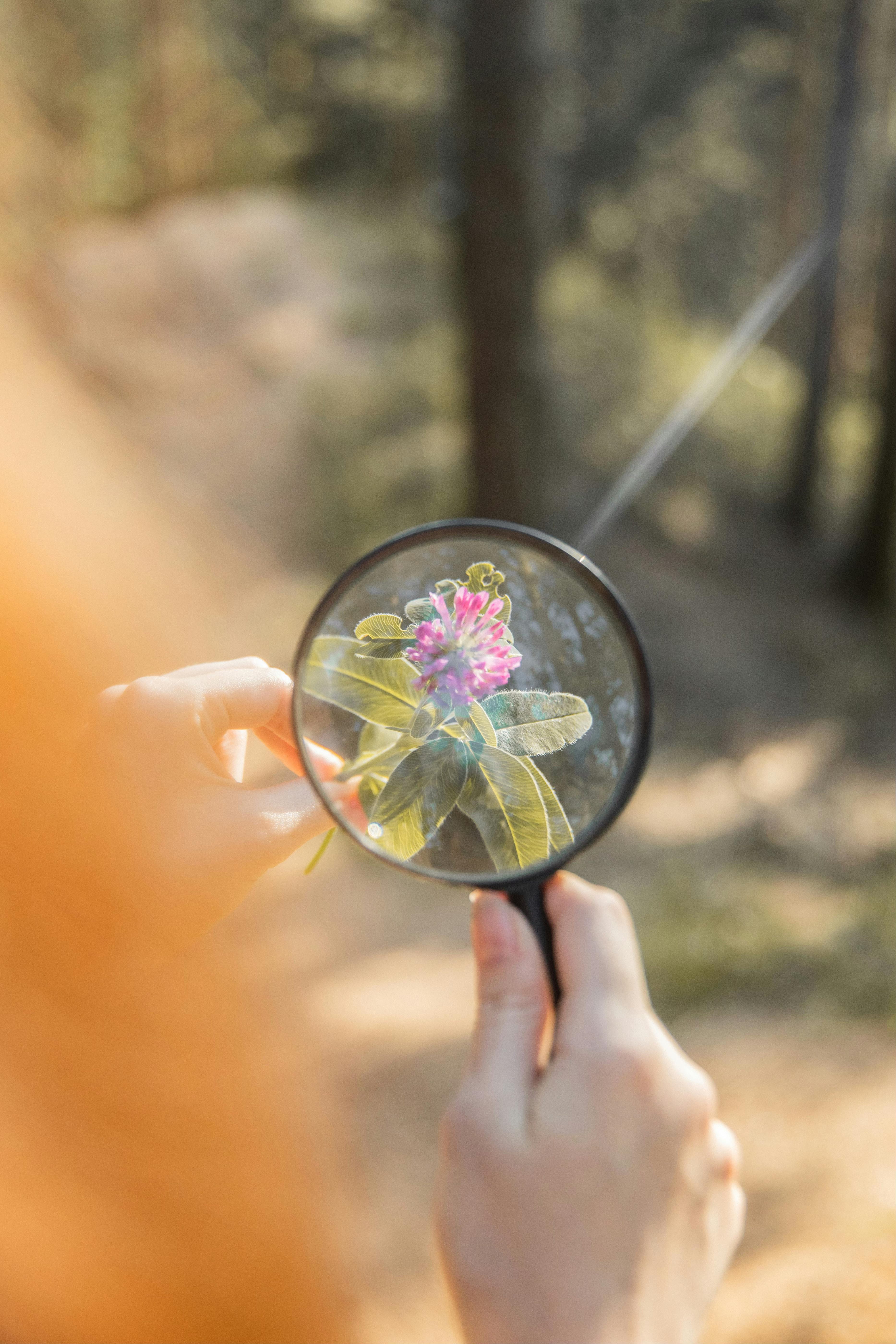
It’s not a flaw. It’s a natural part of parenting.
Schools usually have the opposite problem — too much distance, too much objectivity, not enough heart. Home education sits at the other end of the spectrum — loving presence is our strength, but clarity can be harder.
The sweet spot is both: deep love and the willingness to see clearly.
How to See More Clearly: 10 Practical Ways to Become a Better Talent Spotter
Here are tangible ways to start spotting talent with more clarity and confidence:
1. Observe your child in groups
Notice the roles they take, what they choose, how they collaborate, how their energy shifts.
Contrast illuminates talent.
2. Ask others what they notice
Trusted adults, grandparents, family friends, older children — they might more easily see what we overlook.
3. Look for repetitions
What do they return to without prompting? These repetitions are golden clues.
4. Notice energy, not achievement
Where do they light up? Sink into deep focus? Feel most regulated?
Talent follows energy.
5. Pay attention to ease
Ease is often the truest indicator of innate talent.
6. Use Human Design as a lens
Not as a label, but as a way to spot natural learning styles, strengths, and tendencies.
You can look up your child’s chart here, check out the HD section of my publication page, and DM me for personalised insights.
7. Document little moments
Keep a notes app or small journal — record “tiny sparks” you notice across days or weeks.
8. Try strength or learning-style questionnaires
Comparing your observations with your child’s reflections can reveal patterns.
Here are some tools I have used with my daughter:
9. Set up “invitations”
Offer a range of materials or activities and simply watch: What do they choose How do they engage? What do they ignore?
10. Think beyond traditional skills
Many talents are subtle — humour, empathy, noticing details, storytelling, organisation.
Some of my daughter’s most beautiful talents are things no curriculum could measure — yet they shape her entire way of being.
Bringing It All Together: A New Paradigm for Childhood Learning
Children flourish when adults see them clearly.
When technique serves talent — not the other way around. When creativity, curiosity, and spirit guide the way.
When education becomes less about filling them with skills and more about supporting their unfolding.
And the truth is:
You don’t need to be a teacher. You don’t need an expert-approved curriculum.
You don’t need perfect plans or perfect knowledge.
You just need to watch. To listen. To notice.
Whoever your child is, their natural genius is already there.
They will show you who they are — if we create the space for them to reveal it.
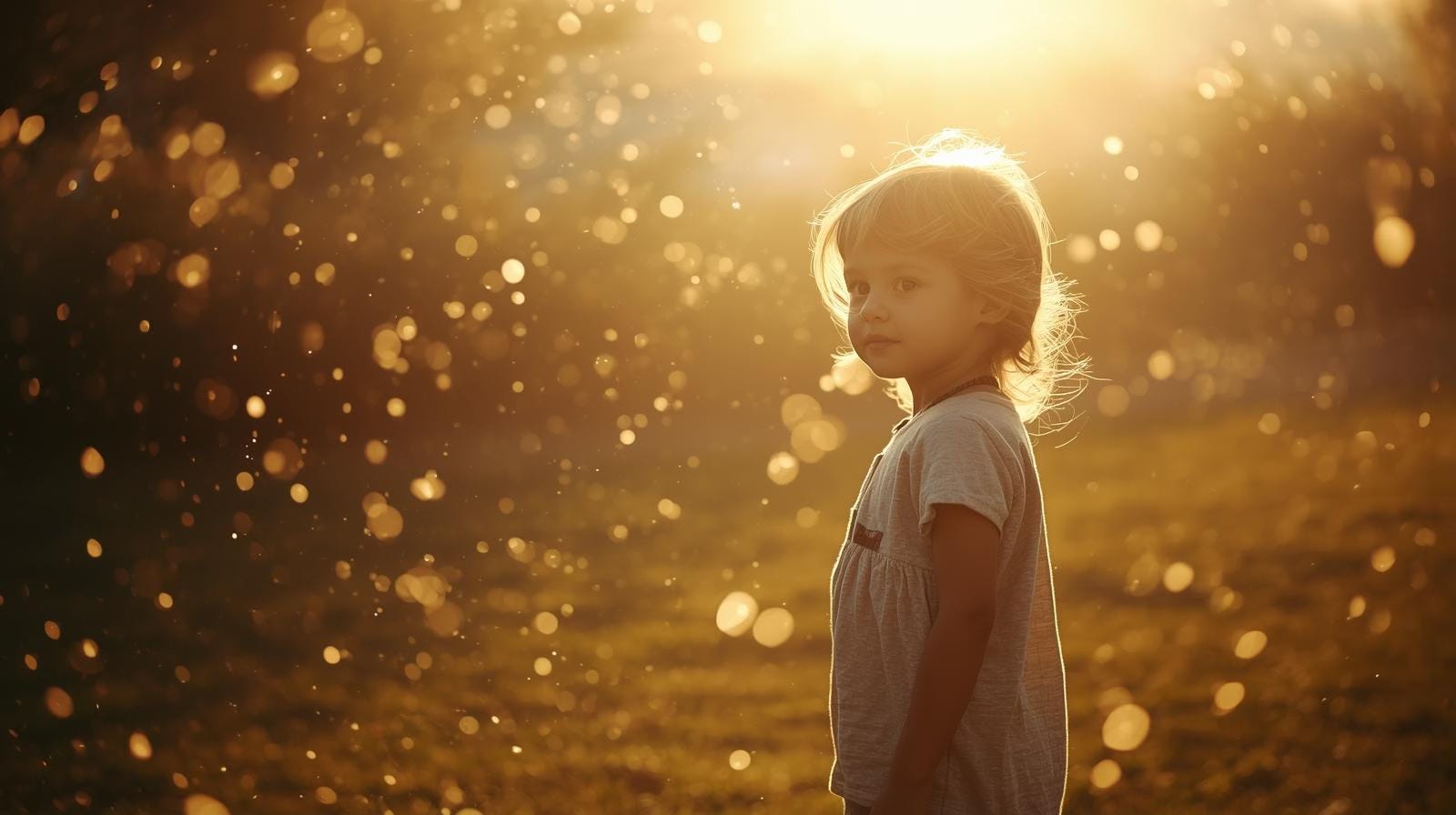
If this piece stirred something, I’d love to hear.
What have you begun to notice more clearly about your child — something that might have been easy to overlook before?
And what changes when you relate to that as something to nurture, rather than shape?
Your reflections often help others recognise what they’re seeing in their own children.
Subscribe below to receive future essays exploring what we see, what we miss, and what becomes possible when we look again at children and childhood.
Further reading:


Great piece! It recalls indigenous communities who understand that the role of elders is to help the children remember and live into their purpose. Malidoma Patrice Somé writes about this powerfully in his first book, Of Water and the Spirit.
Such an eye-opener! Thanks Gem!