


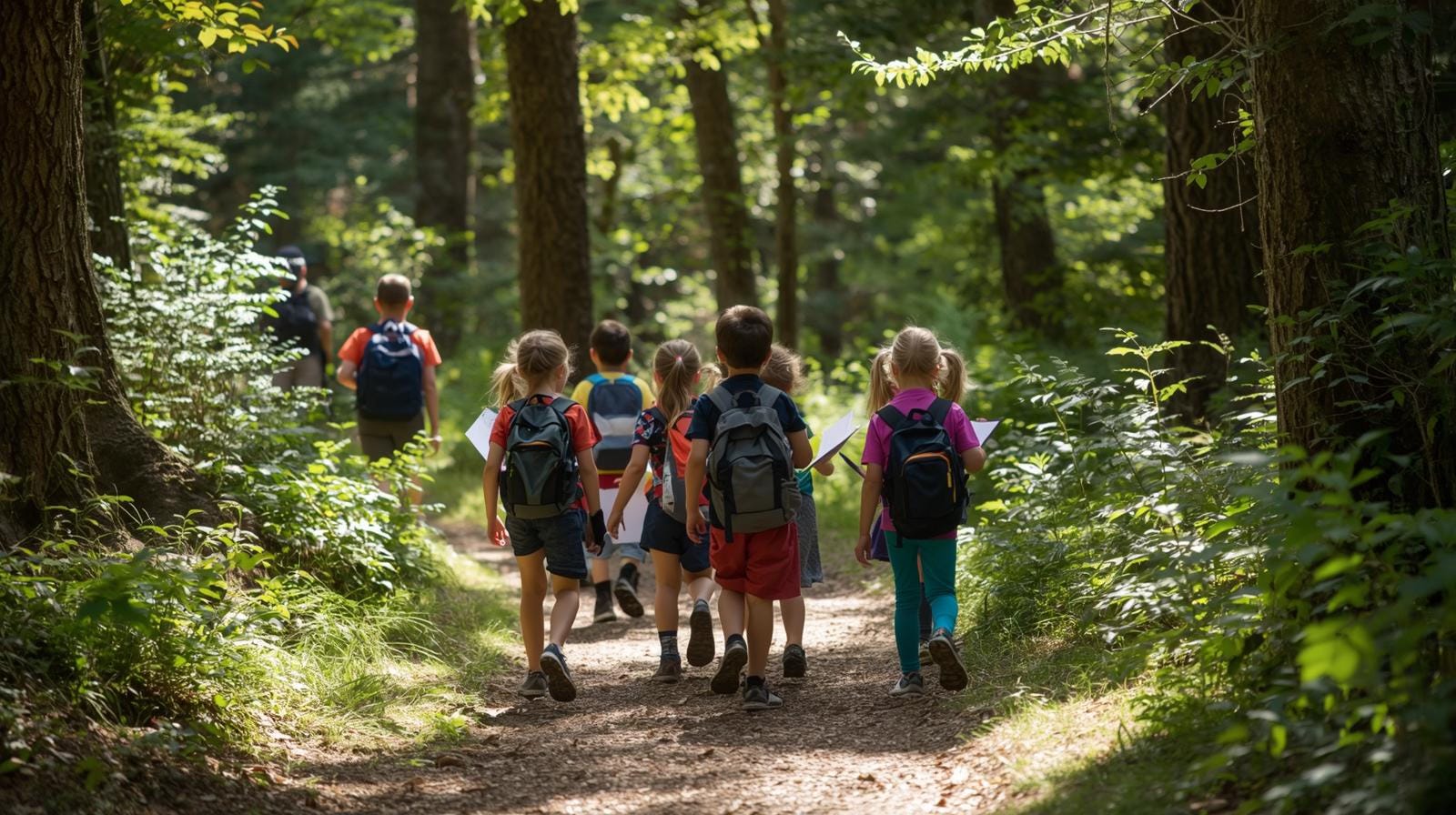
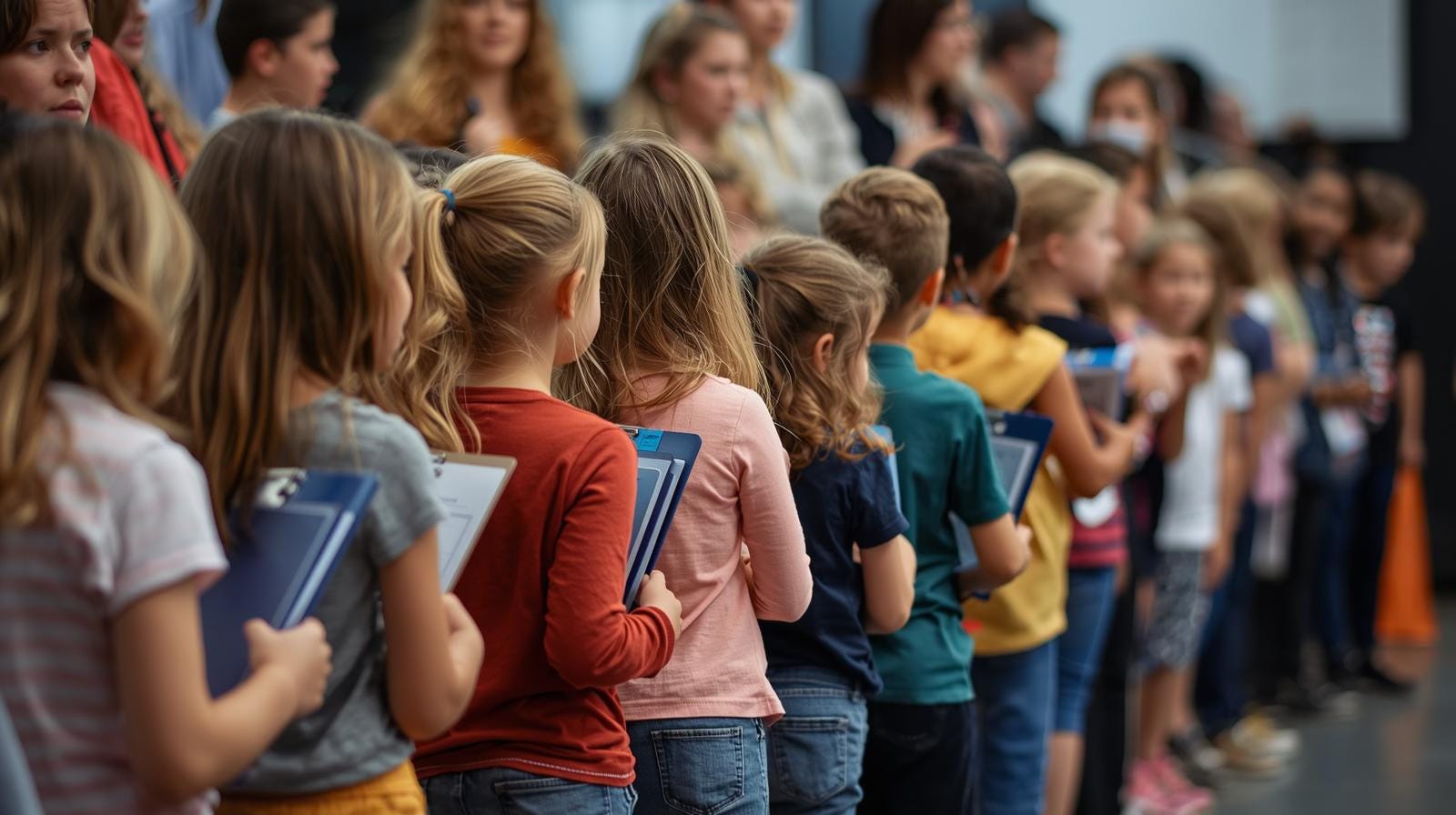
It’s the first day of the holidays, and every family attraction has its stack of trail sheets ready. There’s a pencil, a list of clues, a chocolate prize, and a promise that this will make the day fun and educational. Children clutch clipboards as they weave through woodland paths or museum corridors, searching for signs and ticking off boxes.
What used to be a day out has quietly become another worksheet.
Last week, during the half-term break, I walked behind a skipping, giggling group of young girls at a local attraction. Suddenly, one of the mums called out to chide her daughter for not looking for the letter clues. Later, a boy bumped into us in his excitable quest to find letters and earn his prize.
It’s easy to smile at these moments, but underneath there’s a collective unease. How did even our leisure time become so structured? Why do we feel anxious if our children aren’t “doing” something productive? Somewhere along the line, we’ve confused learning with measurable output — and play with planned activity.
The rise of the structured childhood
Childhood today is usually meticulously organised. Between school, breakfast clubs, after-school clubs, and holiday camps, many children’s lives follow a timetable from dawn to dusk. Even the so-called “free days” are mapped out with themed trails, crafting stations, and carefully curated family experiences.
A day in the life of a modern child might look something like this: wake up, rush to school, after-school activity, dinner, homework, screen time, bed. Weekend? Swimming lessons, football, soft play, shopping — perhaps a family day out (which, quite possibly, comes with another laminated sheet).
It’s well-intentioned, of course. Parents want to provide variety, stimulation, and quality time. But as a former Speech and Language Therapist, I’ve seen how this constant structuring crowds out the spontaneous moments where the richest learning happens — the conversations that emerge from boredom, the imaginative games that last for hours, the social problem-solving that unfolds when adults step back.
I notice it too when arranging playdates with friends whose children go to school. Even during the long summer holidays, we have to book weeks in advance. Everyone’s schedules fill up so fast that spontaneity feels almost impossible. What used to be simple, like a spontaneous afternoon together, now requires a calendar check and a Doodle poll. Childhood has become timetabled — and so has parenthood.
Even our downtime has become performative. We post the photos, share the highlights, and tell ourselves we’re creating memories. But in truth, the pressure to keep our children constantly engaged is exhausting.
Why this is happening
The myth of the “good parent”
Culturally, we’ve been sold the idea that good parenting looks like full calendars and enrichment activities. A quiet day at home feels like slacking. We subconsciously equate busyness with love and productivity with worth. But what if our children don’t need more doing, but more being?
The lost art of unsupervised childhood
Most of us — or am I showing my age now? — grew up with long stretches of unsupervised time: hours spent building dens, making up games, or simply wandering the neighbourhood. Those moments shaped our creativity, confidence, and social skills in ways no worksheet could replicate, and provided a natural counterbalance to the structure of school life.
Today’s children rarely get that freedom. Safety fears, screen time, and adult-led scheduling have taken its place.

And even for those of us who long to bring that back, it’s complicated. I’d love to say I’ll let my own children roam the village when they’re older — but I’m not sure I will. And even if I did, would there be other children out there to play with?
So rather than criticism, this is an observation of a wider cultural shift. Unsupervised play hasn’t just disappeared from individual families — it’s vanished from our shared social fabric.
Digital life and overstimulation
Many parents are also trying to offset the pull of digital life. The screen can be both a babysitter and a battleground, so getting out of the house feels like a solution. Structure gives us something to do together that isn’t viewing, scrolling, or gaming — but ironically, the pace can mirror the same overstimulation we’re trying to escape.
The economic and cultural machinery
Then there’s the reality of modern life. Many families rely on structured clubs because parents are working long hours — sometimes out of necessity, sometimes to sustain a lifestyle that the wider system tells us is success.
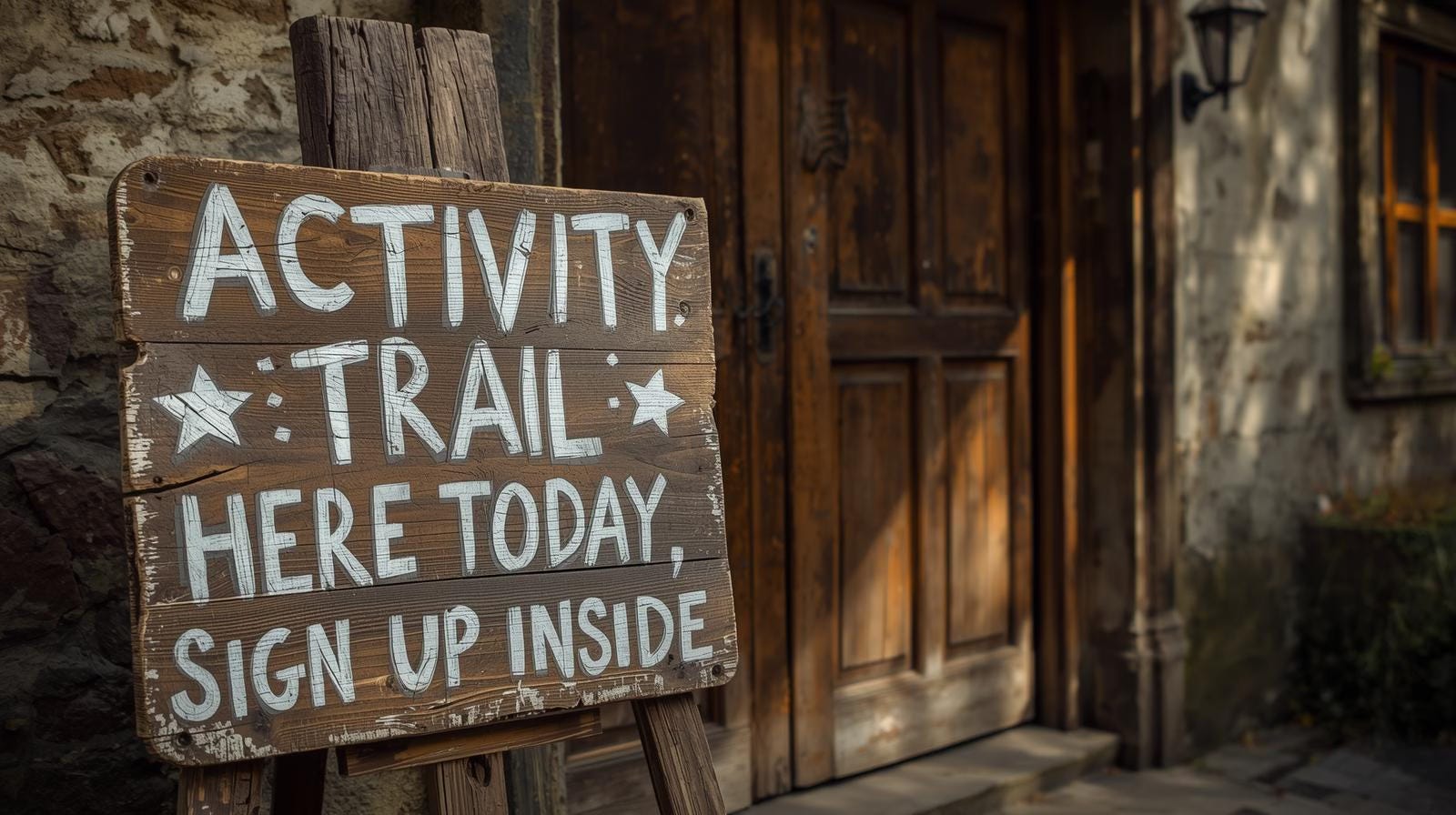
Businesses have caught on to this appetite for structure. From pay-to-join holiday trails to branded “educational” experiences, leisure itself has become a product. These offerings draw families to places they might not otherwise visit, reassuring parents that the day is purposeful while quietly boosting profits. In the process, they reinforce the belief that every outing needs an objective, every moment a measurable outcome.
Our entire culture is built on left-brain logic: planning, measuring, doing. It’s no surprise we’ve applied the same framework to childhood. But when life is all structure and no space, something vital gets lost.
The impact
When children are constantly directed, they become disconnected — from themselves, from their own rhythms, from the quiet hum of life.
Research into play and nervous system regulation shows that children need periods of restful alertness — time to integrate, imagine, and process. Without it, they become overstimulated, anxious, or shut down.
In my own work, I’ve seen the effects: children who can’t self-occupy without adult input; children who crave novelty but struggle with boredom; parents who feel they must entertain constantly to avoid meltdowns.
And underneath, a subtle but painful belief takes root:
“I am valuable when I’m doing.”
This belief doesn’t disappear in adulthood. It becomes the drive to stay busy, achieve more, and fill every silence. It becomes the burnout epidemic.
The worksheet trap
The themed trail, with its sweet at the end, seems harmless — but it quietly replaces intrinsic motivation with extrinsic reward. Children miss the real wonder of what’s around them because they’re fixated on collecting letters or finishing tasks. Sunlight through the trees, hidden birdsong, the soul of an old building, the artistry in everyday details — all fade into the background.
The same is true of worksheets. They capture evidence but ignore the process; they don’t allow for creative problem-solving or non-linear thinking; and they add pressure to complete, when learning is never finite.
Peer attachment and lost anchoring
Another subtle cost of the structured childhood is what Gabor Maté calls peer attachment — the growing orientation of children towards peers rather than parents or trusted adults. When most waking hours are spent in child-only groups, from breakfast club to after-school club, children lose opportunities to co-regulate emotionally with adults who love and understand them.
Over time, this can create insecurity and imitation — children who adapt to fit rather than develop from within.
The left brain takes over
Structured learning isn’t wrong — it’s just incomplete. It represents only one half of what humans are capable. The left brain is logical, efficient, organised — but without the right brain, children miss the imaginative, feeling, and reflective side of life that connects us to meaning and joy.
Yet schools increasingly push children into left-brain modes all day: testing, worksheets, structured lessons. Outside of school, the supposed “free time” is often just more structure — trails, clubs, scheduled playdates. When every hour is planned, children rarely get the space to wonder, experiment, or follow their own curiosity. The result? A generation habituated to doing, ticking boxes, and measuring success — but often disconnected from the part of themselves that dreams, imagines, and creates.
In Human Design terms, it’s the difference between left and right orientation — between a life built on order and one attuned to flow. And our children are crying out for the latter.
Rediscovering the right side of learning
To rebalance, we don’t need to throw structure away — we just need to loosen its grip.
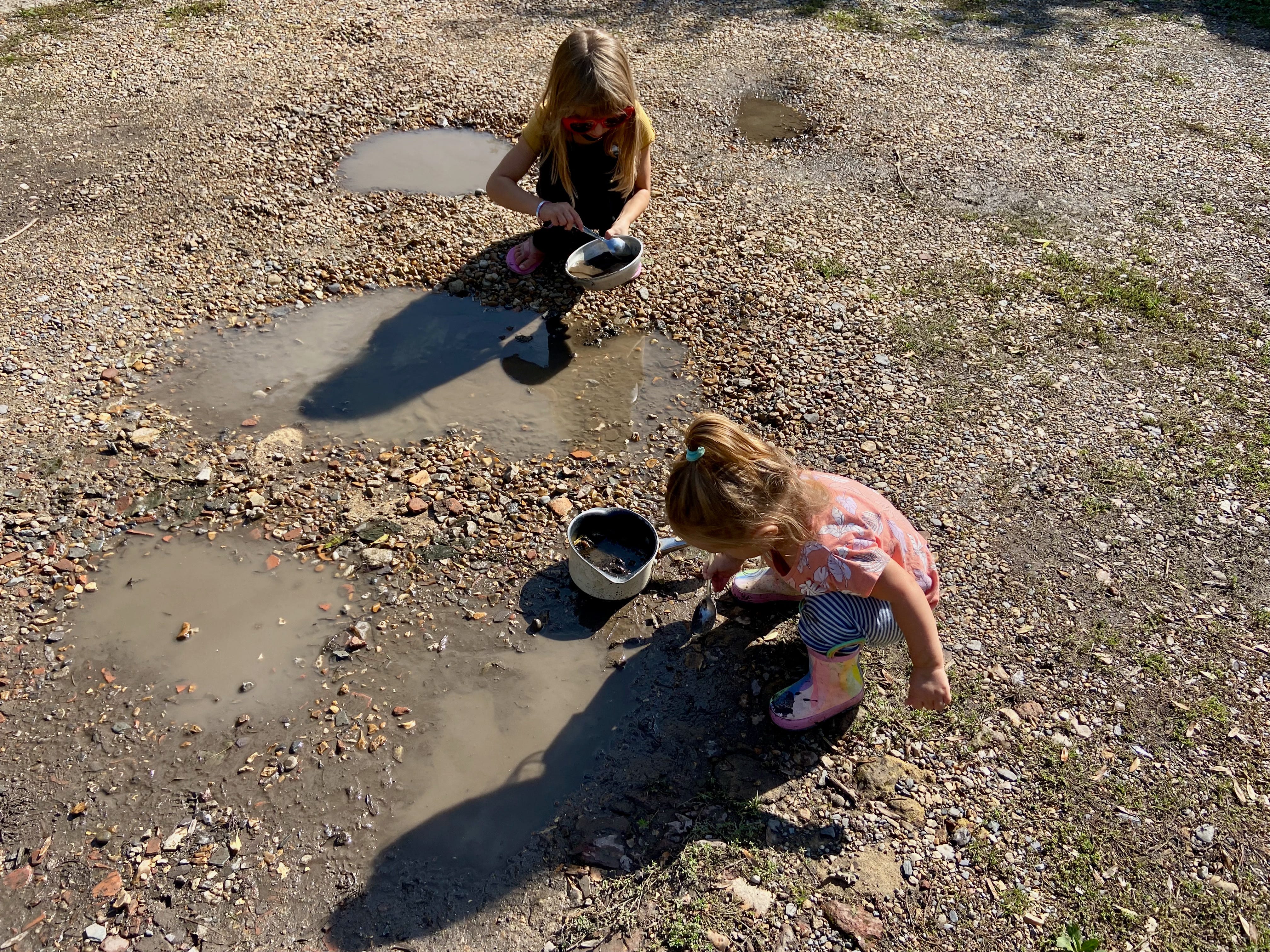
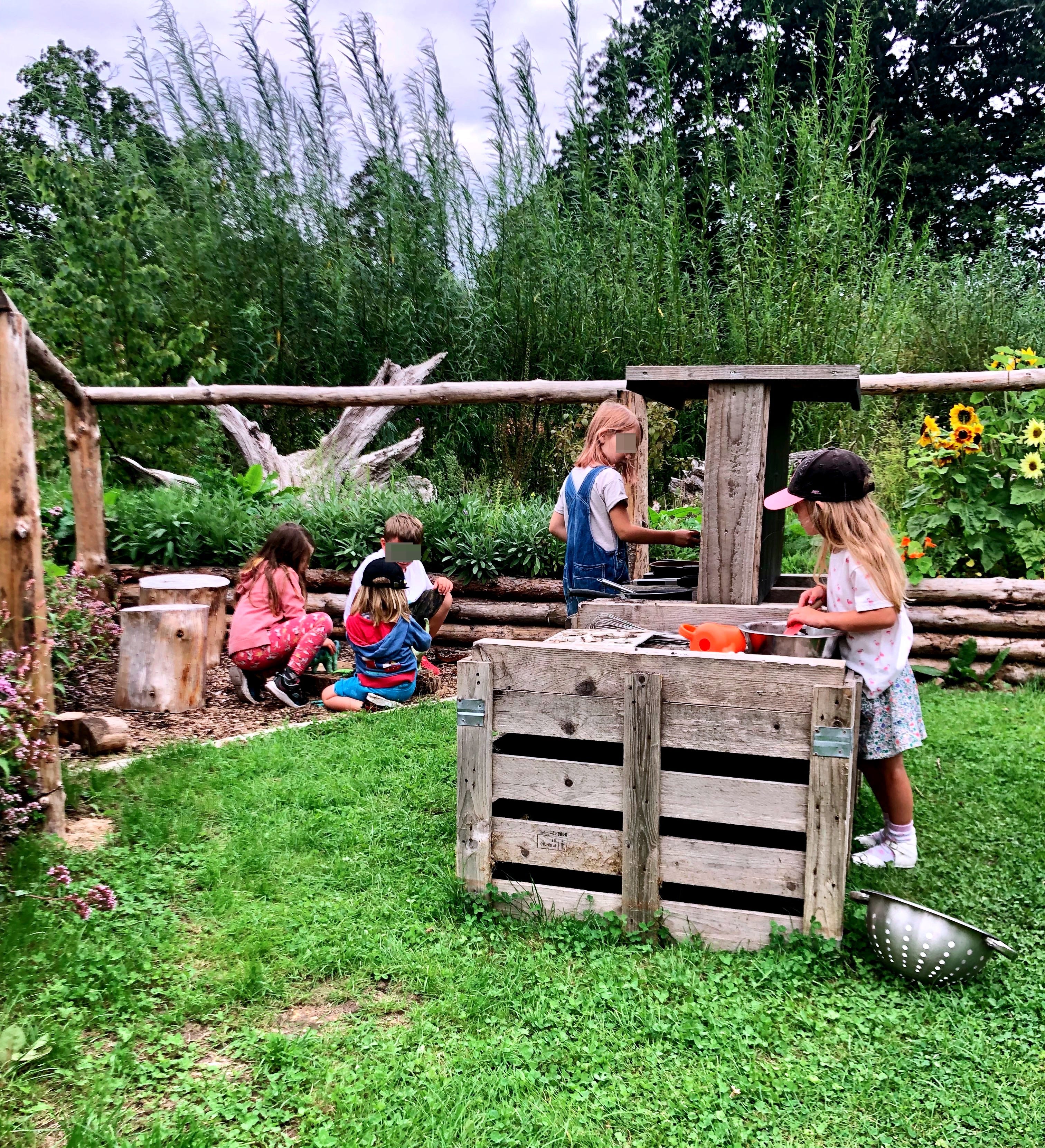
The power of free play lies in what it isn’t planned to do. It builds empathy, imagination, and problem-solving without anyone setting the objective.
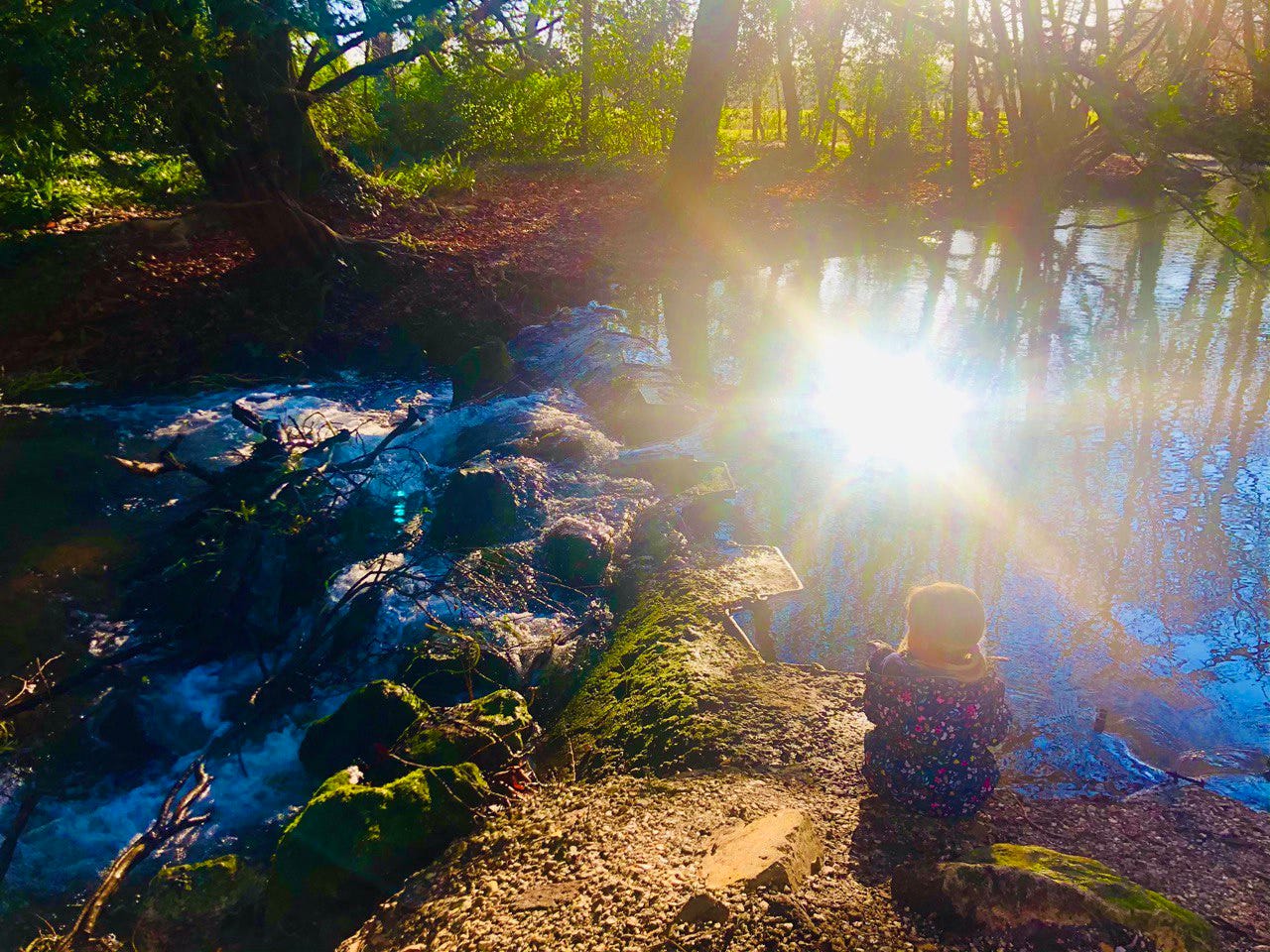
The power of boredom lies in what it makes space for. It invites children back into their inner world — the wellspring of creativity and self-awareness.
The power of curiosity lies in meandering. Following what calls you, not what’s prescribed, leads to genuine learning.
And the power of self-occupation — to be present, embodied, and engaged with life, not numbed or distracted — is a lifelong skill that begins in childhood, when adults trust children to find their own way.
Small ways to reclaim balance
Opt out of the worksheet trail. You don’t have to apologise for wanting a slower day.
Balance structure with openness. If one day is full, keep the next day free.
Observe your child’s natural design. Notice how they learn best — do they thrive with structure or flourish in space?
Lean into boredom. When they say, “I’m bored,” resist the urge to fix it. Stay nearby, grounded, and let them rediscover their imagination.
Simplify the environment. Open-ended materials, outdoor space, and time are enough.
Collaborate with other parents. Next time someone suggests an activity trail, try: “How about we just let them explore and play?”
For home educators: those monitoring HE tend to favour structured learning, and progress reporting is usually evaluated through a left-brain lens. To stay true to a child-led approach while satisfying expectations:
Write a short philosophy statement about your approach, rooted in research and developmental evidence. It frames your rationale clearly.
Keep light daily notes — observations, conversations, spontaneous discoveries — without formalising everything.
Use AI as a tool to help articulate the learning embedded in these experiences into a structured account. This satisfies reporting expectations without compromising child-led learning.
Even if you’re still in the mainstream system, you can carve out moments of freedom. These pauses matter — they build self-direction and authenticity that no curriculum can teach.
A closing thought
Maybe next time we’re handed a clipboard and pencil, we’ll pause before taking it.
Maybe we’ll let our children run ahead, veer off the path, or sit down mid-trail to watch an ant.
Maybe the real learning — the kind that lasts a lifetime — isn’t found in the boxes we tick, but in the spaces between them.
If this piece stirred something, I’d love to hear.
Where do you notice the pull toward structure and “doing” showing up in your child’s days?
And what shifts when there is a little more space — even briefly — for things to unfold without a plan?
Your reflections often help others recognise what’s shaping their own family rhythms.
Subscribe below to receive future essays exploring what we see, what we miss, and what becomes possible when we look again at children and childhood.
So true! I see it all the time, some kids are in 3-5 different afterschool programs and weekends are booked up too. I personally am not a fan of that and under schedule my kids a lot. I love when we are at home and they just make up a game to play or grab a book. I find it drives curiosity and growth. But it is against the grain as my kids are not in the sprint of math program with their friends or learning karate with their friends. Are they missing out on life experience? Maybe. But are they enjoying their free time, yes as they ask for all the time.
It's like our kids don't even know how to play anymore...you know, like a normal kid. They have to watch a youtube video that teaches them how to play. Isn't this supposed to be their area of expertise? ;)