


The Aesthetic of Simplicity
There is a version of “simple living” that photographs beautifully — neutral walls, wooden toys, linen aprons, slow mornings, soft light. It looks calm, intentional, like an antidote to modern chaos.
And yet I have come to believe that much of what is marketed to us as simple is another layer of performance. Another aesthetic to maintain. Another pressure to shape our lives into something visually coherent and subtly superior.
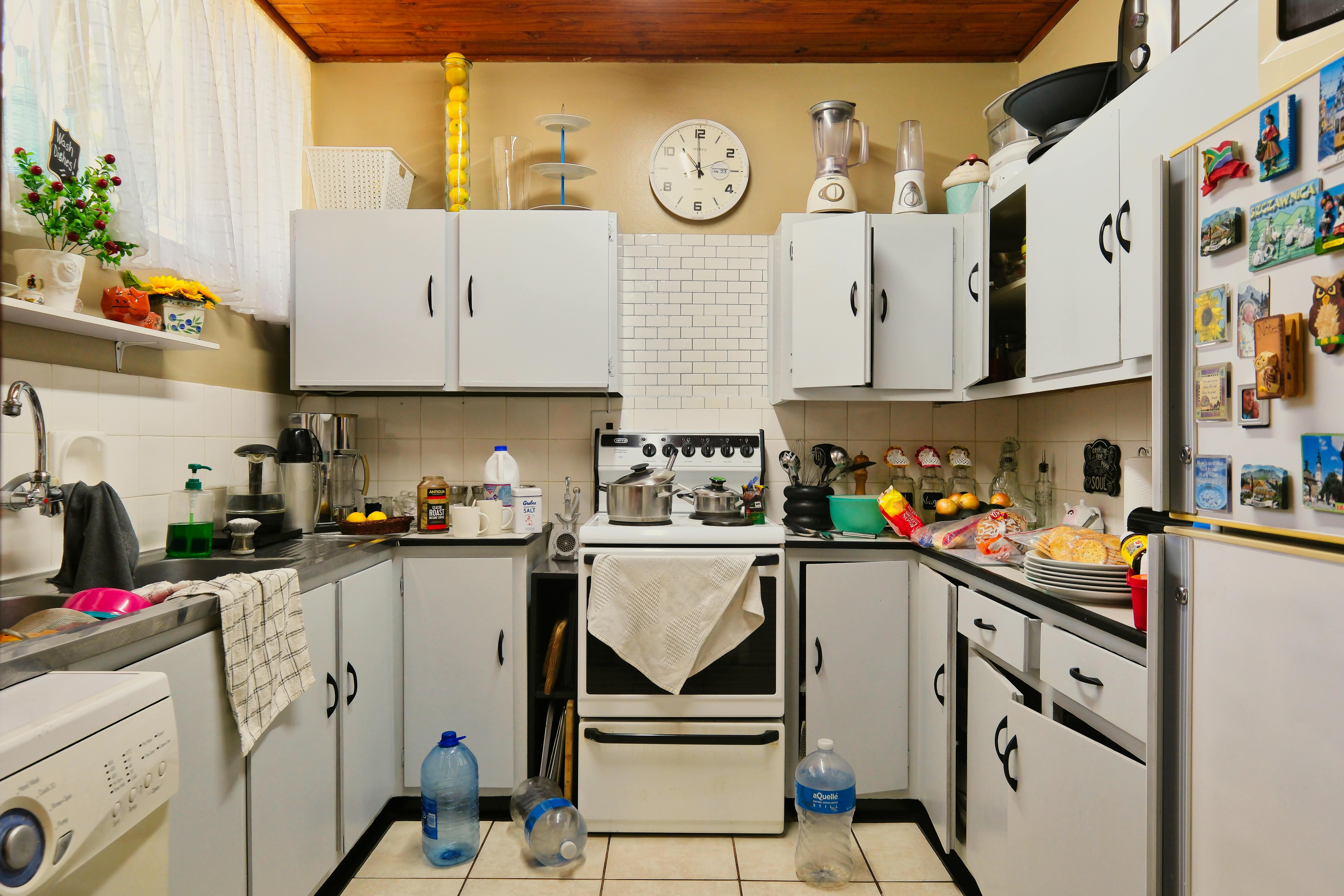
Real simplicity, at least as I have lived it, does not photograph well. My home is small, slightly worn, often cluttered. We do not own expensive furniture. Our children regularly obliterate every surface before ‘second breakfast’ time. There are seasons where washing piles up and half-finished projects sit in corners. There is nothing minimalist about it.
And yet, over the years, something else has been refined — our rhythms, our boundaries, our pace, the quality of attention inside the home. That refinement did not come from better systems or cleaner aesthetics. It came from something much less visible.
It came from learning steadiness.
Exhaustion as a Default Setting
For much of my earlier life, I lived in excess — excess effort, excess giving, excess thinking, excess working, excess proving. As a child I danced obsessively. As a professional I took on too much, poured too much into roles that did not necessarily hold me, and then worked even harder when I felt unseen. I overextended in relationships, partied hard and still overworked, mistaking depletion for commitment.
Underneath it all was a subtle belief: if I did more, gave more, pushed more, I would finally feel secure in my place.
Exhaustion became normal.
Looking back now, I can see how easily that pattern mirrors what we do to children. We over-schedule, over-question, over-explain, over-intervene, over-direct — often assuming that more input must equal better development. But what if what looks like support is sometimes simply adult urgency spilling outward?
Much of that urgency feels personal, but it rarely begins with us — something I explore more deeply in The System Doesn’t End at the School Gate. It has been shaped, reinforced, and normalised long before we start to question it. For many of us, it is also tied to who we learned we had to be — responsive, productive, useful, good.
Simplicity Is Not an Aesthetic
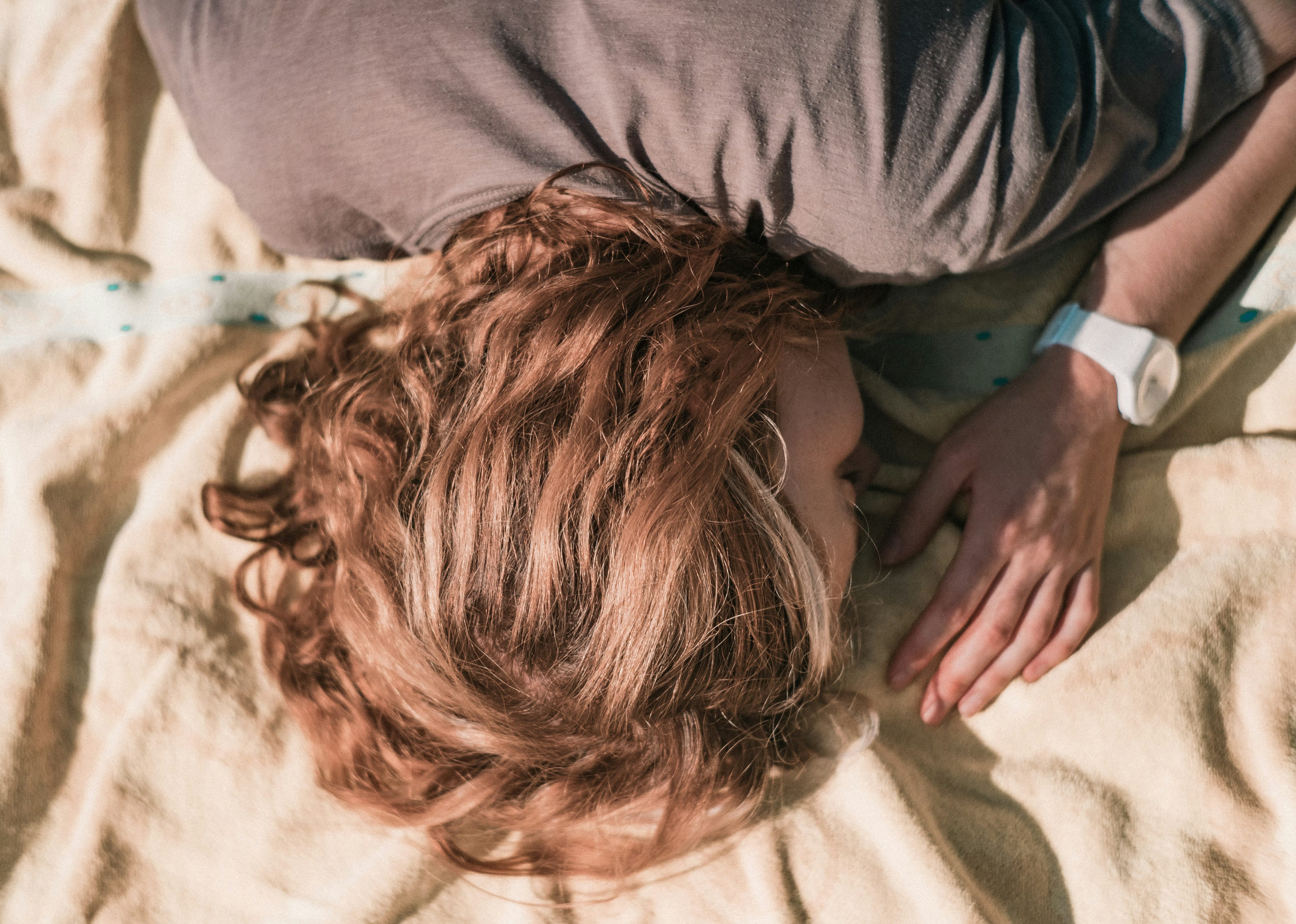
When I stepped away from the pace that had been driving me — first gradually, then more abruptly during lockdown — I expected a simpler life to feel peaceful and immediately freeing. Instead, it felt confronting.
When you cut excess, you are left with space, and space reveals things. It reveals your discomfort with silence, how much of your busyness was avoidance, and how little tolerance you have for not producing something measurable. Generations of equating worth with output have taken their toll on us, and we have learned to fill every quiet moment with something — news, streaming, productivity, even self-improvement.
I made a conscious decision years ago to step away from much of that constant input. I no longer follow the news cycle or consume endless commentary, and over time I began to notice something: when I removed those layers of stimulation, my nervous system softened. I had more capacity, more patience, and more room to process ruptures rather than move past them.
I also began to understand that removing noise is only one side of the equation. Without some form of expression, that space can become heavy rather than generative. Creativity, for me, became part of steadiness — not in a performative sense, but as a way of giving shape to what I was noticing and processing. Often that looks like capturing thoughts as they arise and returning to them, letting them develop into something more coherent. At other times it is something quieter and more physical — making, moving, being outside, following a thread of energy without needing it to become something more. It is a subtler kind of output, but it changes the texture of daily life, creating a sense of movement even when the external pace is slow.
The Discipline No One Sees
There is a certain discipline required to live this way, but not in the sense of suppression or control. It is closer to holding ground — holding the line on pace when everything around you accelerates, holding silence when the urge is to fill it, holding back from directing when a child’s process is unfolding, holding boundaries around your time and energy when expectations press in.
In the earlier stages, I needed practices to find that steadiness at all. Things like yoga, meditation, journaling, and long stretches of quiet were not optional; they were how I returned to myself. Over time, something shifted. The steadiness I had to consciously create began to feel more like a baseline I could return to. The practices did not disappear, but they changed in function — less about pulling me back from the edge or returning to myself amidst the noise, more about maintaining what was already there.
Natural learning, I have come to see, is far less dependent on what we provide for children, and far more dependent on the steadiness we bring to being with them — something I return to in When Safety Is the Curriculum. It asks for a capacity to tolerate not knowing, to tolerate a child’s slower rhythm, to tolerate interests that do not look productive, and to tolerate both external noise and internal fear about whether we are doing enough.
That is not passivity.
It is a form of strength.
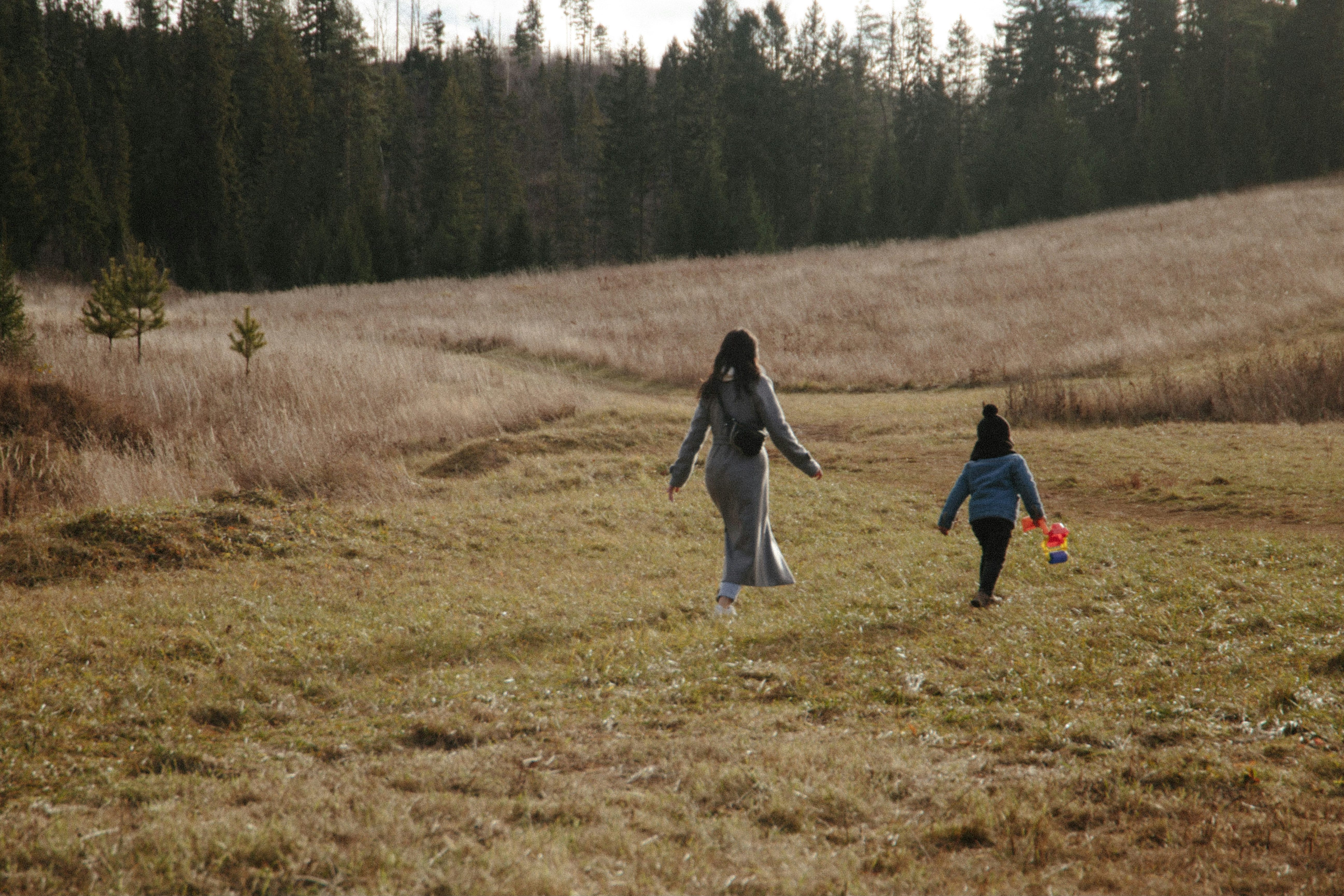
When my daughter immerses herself in something — whether it is Pokémon facts or an elaborate imaginary world — depth tends to emerge not because I structured it well, but because I did not rush in to label it a distraction or accelerate it toward an outcome. Given enough space, children tend toward depth. What interrupts that is not a lack of input, but a lack of trust in their pace.
Recalibration as a Way of Life
Even now, I can sometimes feel the familiar slide into excess. Days fill, obligations accumulate, my tone sharpens, my patience thins, and everyone feels the effect.
So I step back and ask what needs adjusting — what can be dropped, what rhythm has shifted, what boundary has loosened, what basic need has been neglected. This is not a one-time correction but an ongoing process of engagement, noticing, adjustment, and return.
Part of that, for me, includes the physical environment. While our home might look cluttered to some, there is an underlying order to it that supports my steadiness. Over time, things have been organised in a way that makes it easier to return to baseline — not perfectly, but reliably.
That doesn’t mean the house is always tidy, but that it can be brought back to a level that feels manageable for my nervous system. Without that, I notice I am more easily pulled out of steadiness — less patient, less available. With it, I have more capacity to be with my children in the way I intend.
It’s not about a particular standard, but about noticing which external conditions support your internal steadiness — and shaping them over time.
There is a lot of conversation about the loss of “the village,” and much of it is valid. Many of us are raising children with far less structural support than previous generations, and some are doing so in ways that place them under constant strain. A certain level of support — even if small and imperfect — is not a luxury in this work, but a condition that makes steadiness possible.
But I have also come to see that we are not simply living through a loss — we are living through a transition. The culture we are in now is not accidental; it is shaping something, even if imperfectly.
Choosing a slower, more aware way of being with our children within this context is not a return to the past. It is something else entirely. And part of what makes it difficult is precisely what makes it generative — it asks more of us internally than any previous model did, but only when there is enough support to make that internal work possible.
Without the buffer of constant externally valued productivity, you are left with your own thoughts, your own discomfort, your own unresolved patterns. This is part of the work, and perhaps part of the point.
The Real Work
There is much discourse about how intense parenting is, how home education can feel relentless, and how much is asked of mothers in particular. I do not think that is wrong. But I suspect part of what makes this path feel so demanding is not only what we are doing, but what we are no longer able to avoid.
And yet something shifts when steadiness becomes more available. Children are less over-managed, learning becomes less forced, ruptures are more easily repaired, and pace begins to feel trustworthy rather than something to fear.
The world does not need more optimisation.
It needs more adults who can remain steady in the face of uncertainty.
The Thread
I once wondered what my life’s work might look like. I imagined writing and creating from a place of aloneness, sharing a different kind of balance in parenting, education, and life. Looking back, I can see the thread was always there.
Not more.
Not faster.
Not better curated.
Steadier.
And from that steadiness, practical changes emerge — in our homes, in our relationships, and in how we come to see children.
That, for me, is simplicity.
If this piece stirred something, I’d love to hear.
Have you noticed moments where your pace and your child’s pace don’t quite match — where the urge to step in, direct, or move things along feels strong?
What helps you hold, or return to, steadiness in those moments?
Your reflections often help other parents recognise what they’re experiencing.
Subscribe below to receive future essays exploring what we see, what we miss, and what becomes possible when we look again at children and childhood.
Further reading


Making the decision, day after day, even within moments each day, to step away from the rat race, to go off-grid, to not partake, to not buy that thing. To rethink that project. To ask, do we really need this? We've lived this slower, simpler pace of life for so long now it has become normal for us.