


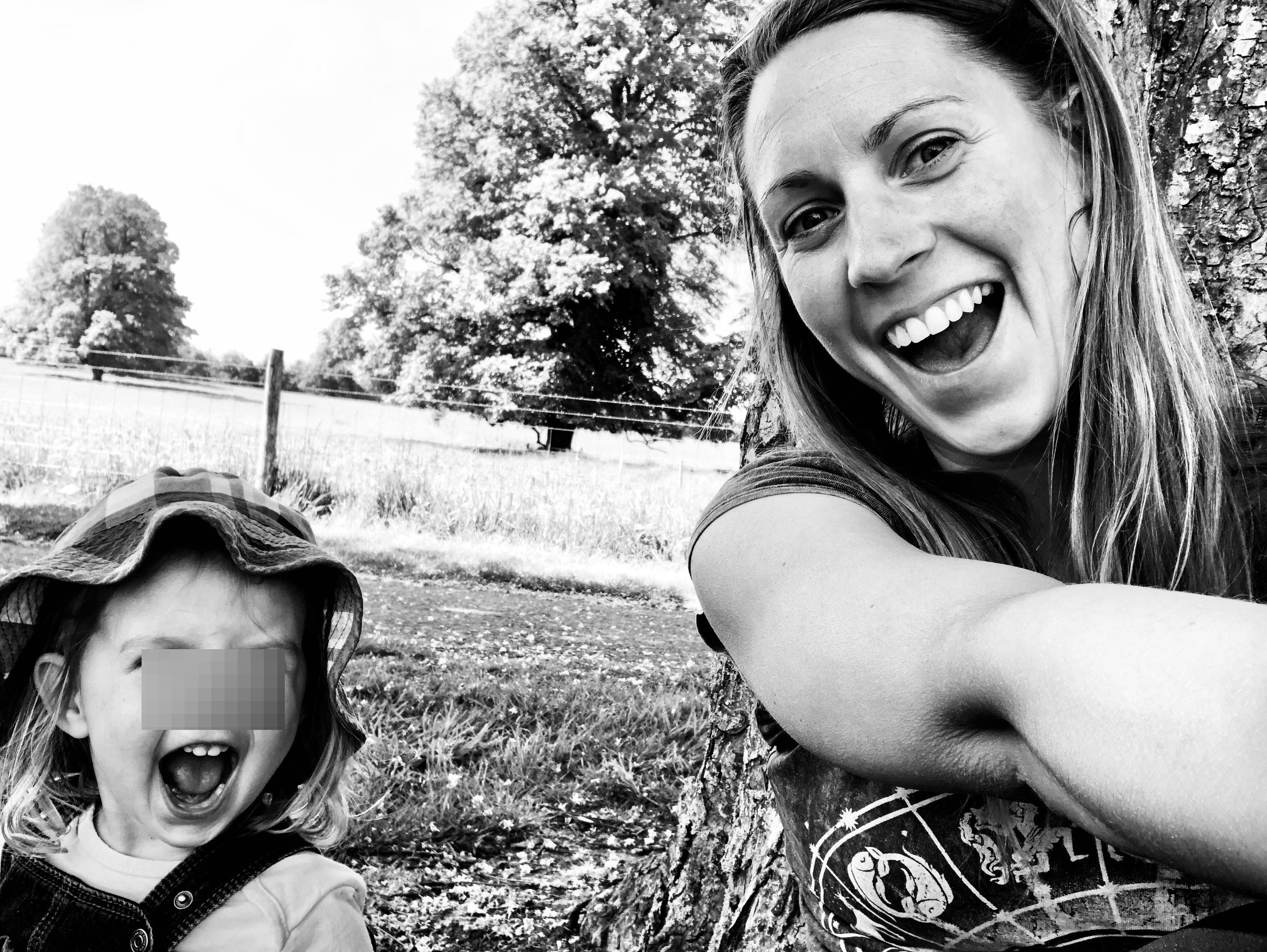
If you’d told me ten years ago that I’d be writing an article about Human Design, I’m not sure I would have believed you.
I’m not someone you’d typically call “spiritual.” I’ve always valued evidence, logic, and practical impact. After four years at university studying Speech and Language Therapy — and later a Master’s degree in Autism Education — I spent over a decade working in the UK’s NHS and education system with neurodivergent children. I used standardised assessments to place children on development charts and sat through countless review meetings focused on targets and benchmarks, all in the name of improving learning outcomes.
But over time, something in me began to shift. The conventional frameworks started to feel limited. I found myself asking deeper questions about children’s individuality, their emotional world, and what might lie beneath the surface of their behaviours and gifts — questions that standard tools didn’t answer.
At the same time, I was on my own journey of personal growth. I began exploring mindfulness, then yoga (eventually training as a yoga teacher in India), and later the Gene Keys — a contemplative system that offers insight into life themes, challenges, and inner gifts. It fascinated me, but it wasn’t until I circled back to Human Design that I discovered a practical system that brought it all down to earth — especially when it came to understanding children.
So, what is Human Design?
In the simplest terms, Human Design is a system that helps you understand how your energy works — and how to support your child’s energy and natural development too.
It brings together elements of ancient wisdom (like astrology and the I Ching) with modern science, including quantum physics and genetics. The man who received the system, Ra Uru Hu, described Human Design as the “science of differentiation” — a way of understanding the unique energetic blueprint each of us is born with. That blueprint is calculated using your time, date, and place of birth.
I know. It sounds unusual. In fact, I found it completely overwhelming when I first came across it. But over time, I discovered that it’s not something to believe in — it’s something to experiment with. And the more I observed it in myself, my family, and the children I worked with, the more I saw how incredibly accurate and useful it is.
What I found most interesting is that, unlike many systems that are framed as purely spiritual, Human Design also draws on ideas from physics and biology. Ra’s original description of neutrinos — tiny particles that pass through our bodies and carry information — sounded unusual when he first shared it in 1987. Since then, science has confirmed that neutrinos exist and have measurable properties.
For me, though, what mattered wasn’t proving it. It was noticing what actually held up in real life.
Even large organisations are taking notice. Forbes recently highlighted Human Design as a tool businesses are beginning to use to understand team dynamics and improve performance. Personality profiling systems like the Enneagram and Myers-Briggs have long been accepted in workplaces and educational settings — and yet Human Design offers an even deeper level of insight, especially for parenting.
Why I now use Human Design with children and families
When I first explored the Gene Keys (a system closely related to Human Design), I looked at my daughter’s chart. It was interesting — but not especially practical when she was little. The Gene Keys are poetic and contemplative, and while they offer deep wisdom, they weren’t designed as a parenting tool.
Human Design, on the other hand, is refreshingly practical.
In Ra Uru Hu’s own words:
“Human Design is really for the children. It’s for the parents to stop the abuse of their children by conditioning.”
“You don’t need to fix your child. You only need to honour their design.”
That struck a deep chord with me. As a therapist, I spent years trying to help children meet developmental milestones, improve scores, or “close gaps.” But I always knew there was more to these children than the tests could measure. I could see their gifts — but there was no system that allowed us to explore them.
Eventually, I realised I couldn’t do it anymore. I couldn’t keep working within a system that measured children against outdated norms and ignored their individuality. The world is changing. Parenting is changing. Work is changing. And the children being born now are different from those our systems were built around. We need new tools.
Seeing Your Child More Clearly
Over time, the way I work with parents has shifted. What began with sharing Human Design insights has gradually expanded into something simpler — and, I’ve found, more grounded in real life.
These sessions are not about learning a system or trying to apply a framework to your child. They are a space to slow down and look again. To take what you’re already noticing — the things that don’t quite add up, the moments that feel misunderstood, the patterns that seem confusing — and bring them into clearer focus.

Sometimes that includes drawing on Human Design, and sometimes it doesn’t. The focus is always the same: understanding what’s shaping your child’s behaviour, energy, and way of being, so you can respond in a way that fits who they are.
We might explore how your child uses energy, how they experience and process emotions, the way they take in the world, or where they may be absorbing pressure or expectation from their environment. But rather than working through categories or concepts, we stay close to real life — what’s happening at home, what’s unfolding in specific moments, what you’re seeing, and what you’re being told.
And as that becomes clearer, something often shifts.
Not because anything external has changed, but because you’re no longer responding to a surface interpretation. You’re responding to what’s actually there.
For many parents, that’s where things begin to soften.
For example, I used to feel guilt and confusion about how many projects I’d started and dropped in my life—until I discovered I’m a Manifesting Generator. Now I see that exploring multiple paths is correct for me. And my daughter? She’s a Manifesting Generator too. When she flip-flops with decisions, or drops a hobby after a week, I don’t worry anymore. I understand she’s following her inner response — and that’s exactly as it should be.
Is this “woo woo”? Or is it just a new lens?
Yes, Human Design came into the world in an unusual way. But so have many creative and scientific breakthroughs. What matters isn’t how it began — but what it offers. Human Design doesn’t ask for belief. It simply invites you to try it out and see what resonates.
If you’re anything like me — practical, grounded, and maybe a bit sceptical — that might actually be a relief.
Because if there’s one thing I’ve learned, it’s this: Human Design gives you language and tools to honour your child’s uniqueness, reduce unnecessary conflict, and support them in becoming who they’re here to be.
And once you start seeing them through this lens, you can’t unsee it.
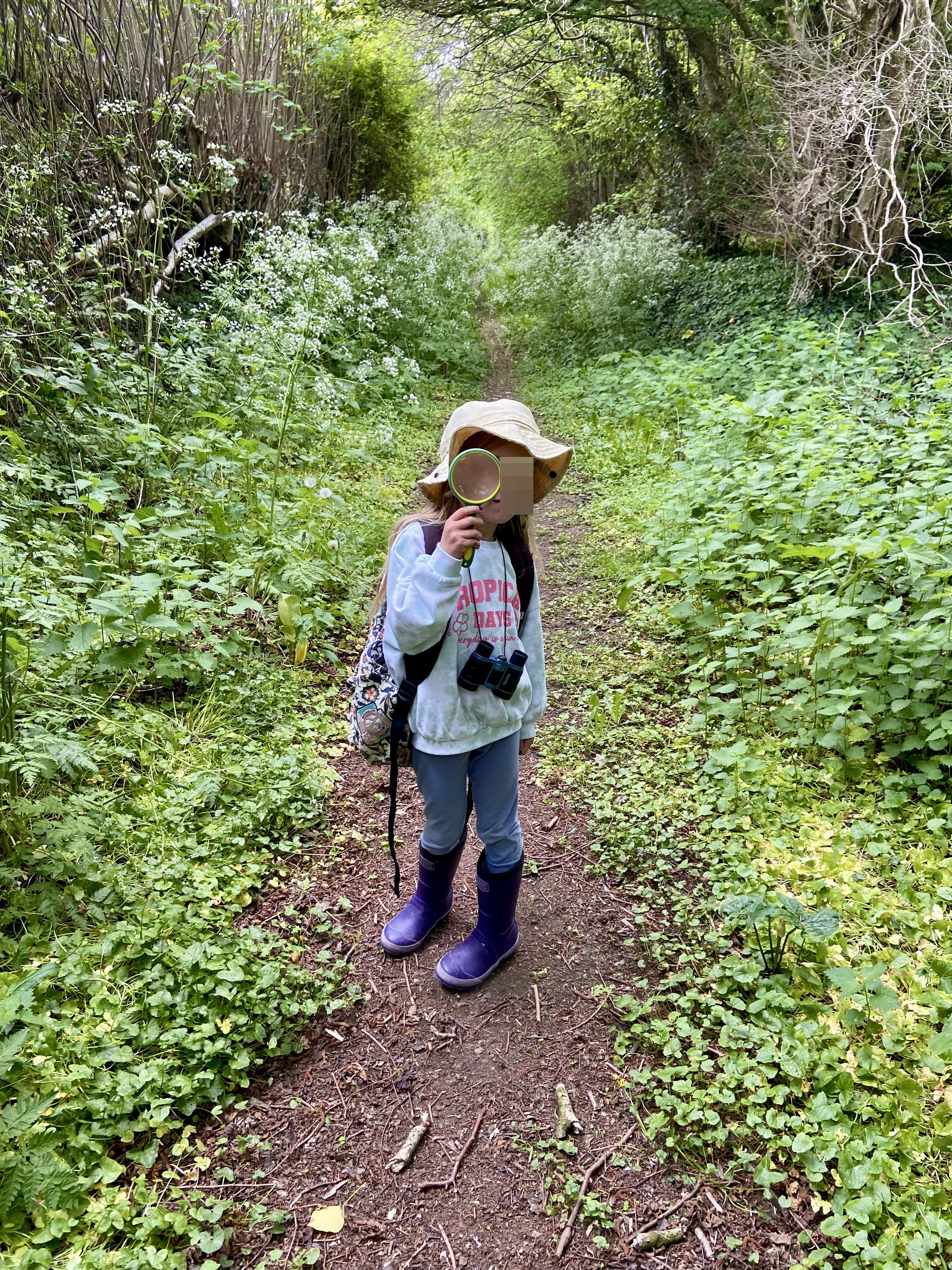
If this resonated, I’d love to hear:
What have you been seeing in your child that doesn’t quite fit the usual explanations — but feels important to understand?
Subscribe below to receive future essays exploring what we see, what we miss, and what becomes possible when we look again at children and childhood.
Well said. Sadly, most people don't know about HD enough and I hope your message spreads.