


Opening: The Shift in Perspective
Having met and worked with thousands of children in my career, I’ve always known in my bones that each child is unique. And after years of contemplation with the Gene Keys, I’d long been asking the question: What does it mean to raise a child naturally? In line with their natural genius?
Despite pondering that for years, it wasn’t until I became a parent—and discovered Human Design (those things happened around the same time)—that I began to truly understand how we can tangibly recognise, support, and celebrate those differences.
Some children seem born with their feet on the ground—practical, efficient, goal-focused. And then there are children like mine. My oldest daughter, P, floats through life as if she’s dipped in stardust—half here, half in a world of her own. It can be magical. It can be maddening. And it can be deeply misunderstood if you don't know how to see it for what it is.
Human Design has helped me parent her with more understanding, compassion, and trust. It’s helped me shift from trying to shape her learning and behaviour, to instead witnessing, nurturing, and honouring her unique way of being. It’s given me a map—not in a rigid, deterministic way, but as a poetic and practical lens that helps me meet her as she is.
This is not a technical article. It’s a story. A story of what it looks like, in real life, to raise a right-brained, emotionally sensitive, open-hearted, wildly imaginative child—and to show the beauty and practicality of what Human Design can offer for each unique child. It’s also the second in my series on demystifying Human Design for curious parents, where I share grounded, real-life insights from our home-educating life.
Throughout, I link aspects of P’s design with the day-to-day experiences we’ve had. A visual summary will be coming soon to tie it all together.
A Soul That Needs Space
From early on, P has always needed solitude. When she was younger and in meltdown, she would cling to me—pulling at my clothes, unable to come down from the overwhelm. The closer she got, the more stuck she seemed in her emotional spiral. Only when we gently introduced some physical distance—creating space for her to breathe—would something shift. She’d pause, reset, and eventually return for a calm, soothing hug.
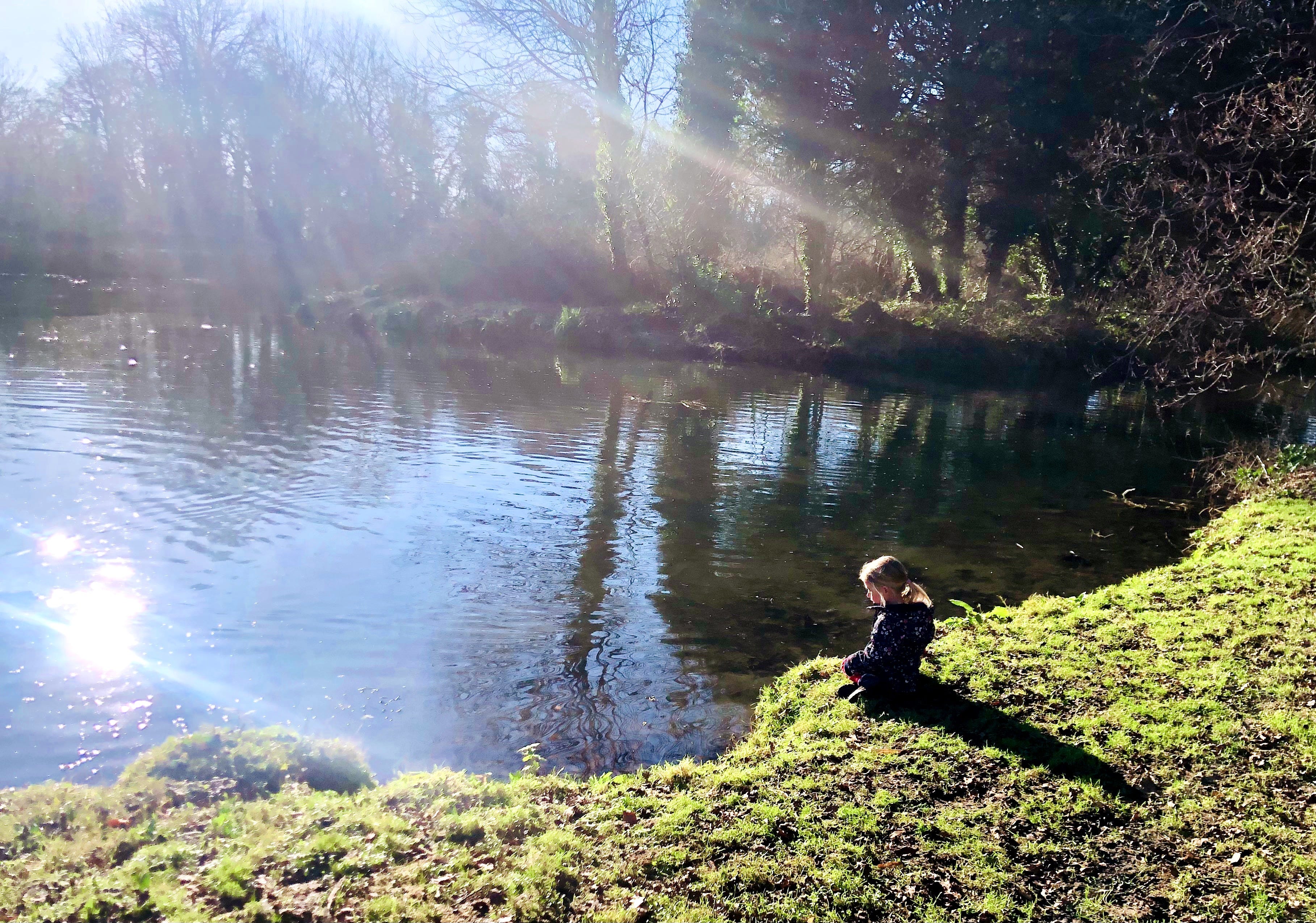
Now, at seven, she often takes herself off to her room or into the garden. After time alone, she returns regulated and more present. It’s such a beautiful evolution to witness.
So much of P’s chart speaks to the need for space. She has:
An undefined Solar Plexus, meaning she absorbs and amplifies others’ emotional energy
An undefined Head, meaning she feels pressure to resolve other people’s mental activity
A Quad Right variable, meaning her body and brain are receptive and non-linear
A 2nd line in her 6/2 Profile, known as the Hermit, which requires retreat
An Incarnation Cross that brings emotional meaning and care—but only when she feels safe, rested, and connected
Takeaway: "Understanding her design gave me permission to honour what she was already showing me—that she needed time alone to regulate and come back into alignment: to release pressure and absorbed energies, reduce overwhelm, let her mind settle, avoid getting pulled into emotional waves, rest, reflect, gain insights, and access her gifts."
Learning to Trust Her Lead
P is a Manifesting Generator with Sacral Authority, a 6/2 Profile, and a Quad Right brain-body system. Her process is not linear. She isn’t here to be told how or when to learn.
I used to get so triggered when she’d say she wanted to do something, and then the moment I set it up, she’d say, “Actually…” and change her mind. That “actually” used to make me grit my teeth. Now I smile. It’s her inner guidance lighting up. I’ve come to see it as her ManGen beacon.
Even my mum—a former teacher who supports P’s education—had a breakthrough when I explained the Manifesting Generator skipping-steps pattern. She’d been trying to follow a full sequence and kept meeting resistance. Now we breathe through those moments and thank this knowledge for showing us another way.
We also learned quickly that open-ended questions don’t work for P. When she was little, I made a visual board with activity choices—she still uses it now. Her Sacral speaks in yes/no clarity. Present a closed question, and her response is immediate.
Letting go of imposed timelines has brought peace. We used to describe her as having that classic “stubborn” Taurus nature—like it was defiance. But it wasn’t, it was rhythm. Like the day she suddenly taught herself to tie shoelaces after months of “no thanks.”
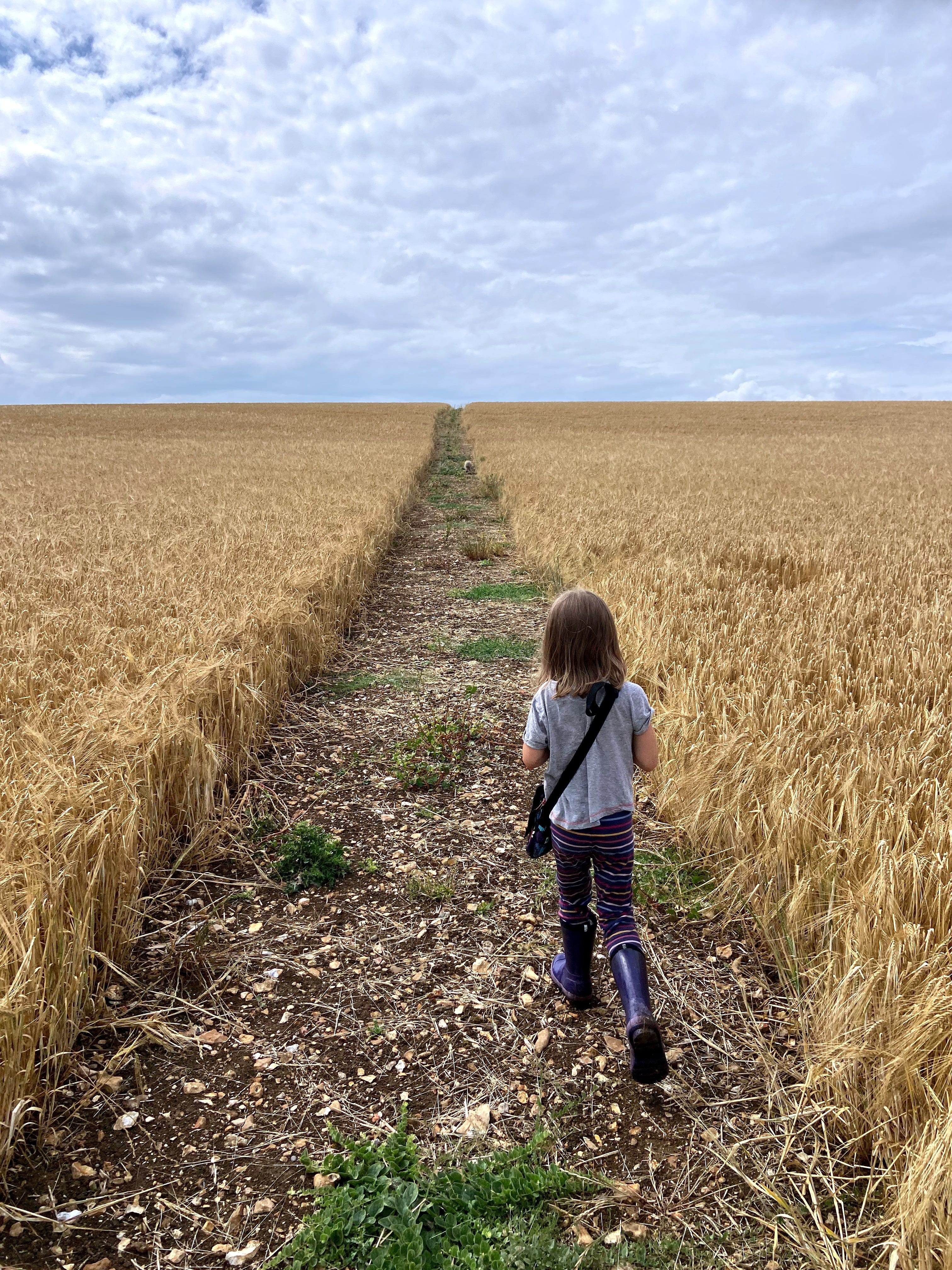
Her chart confirms this rhythm: her defined gates, channels and circuitry all reflect a life lived on her own terms—sometimes fast, sometimes slow, often unpredictable.
Takeaway: "Trusting her design has transformed our home ed journey. She wants to learn—it just has to be on her terms."
An Imaginative Inner World
P’s Quad Right variable, 13-33 channel, and Gate 43 of insight all speak to her vivid internal world. If she seems distant, she’s not ignoring you—she’s deep in story.
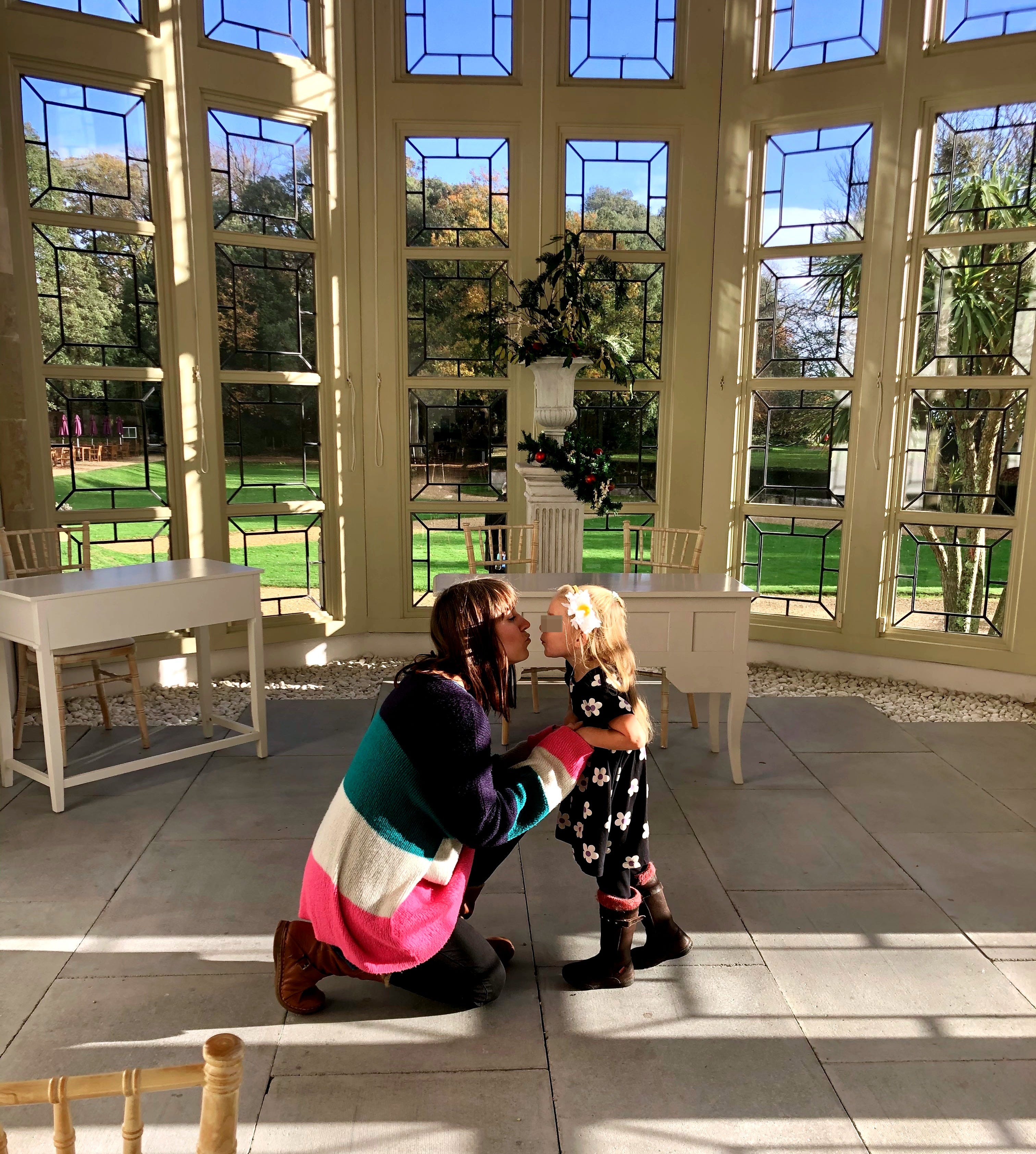
Sometimes I literally need to crouch down, gently touch her, and say, “Earth to P?” to get her attention. It’s not rudeness—it’s absorption.
Her drawings, inventions, and make-believe worlds are full of colour, humour, and care. With my mum, she’ll embark on long imaginary adventures exploring distant continents—soaking up knowledge about geography, culture, nature, and more, just through play.
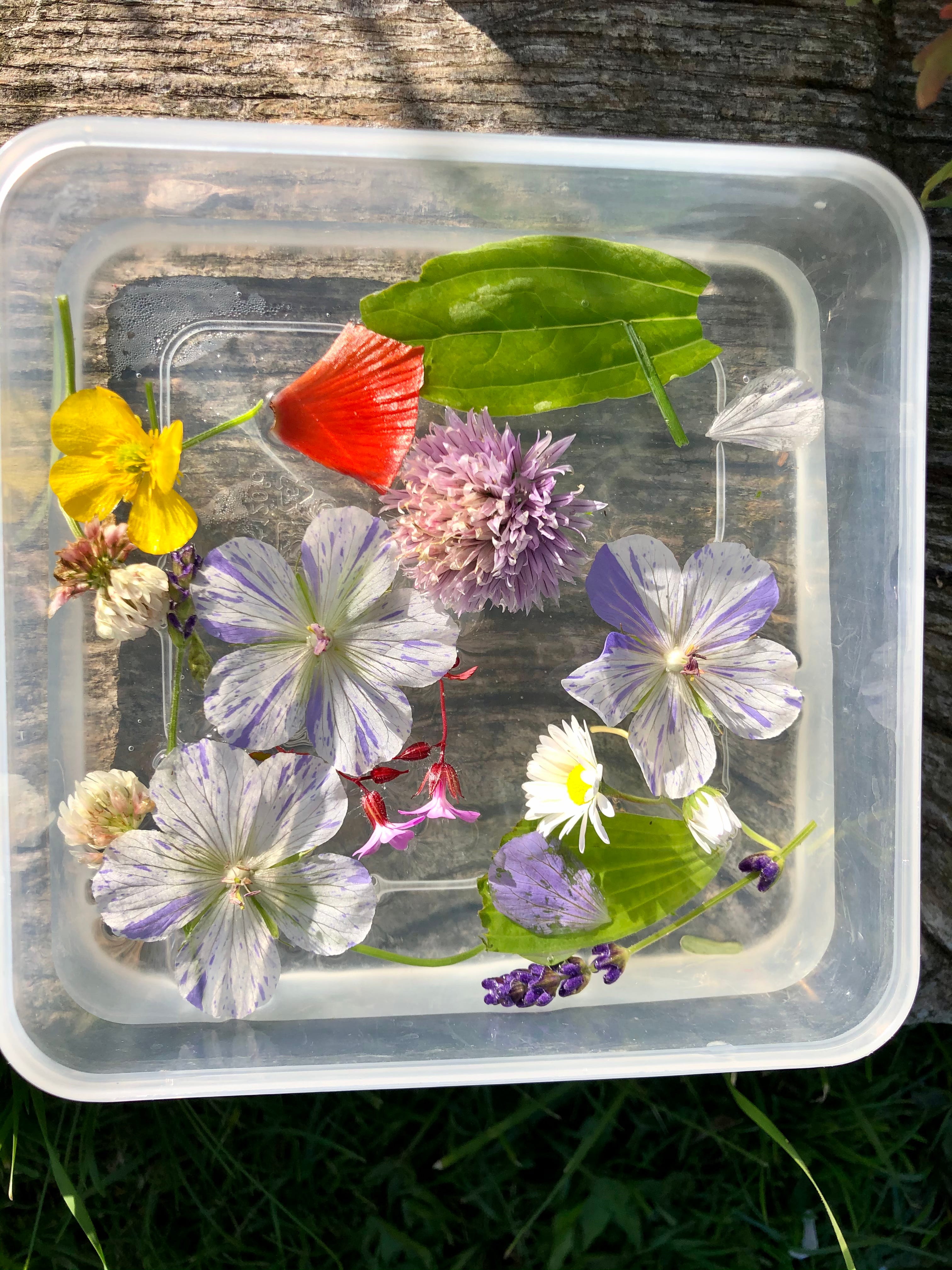
She adores stories—listening, reading, watching. I never quiz her on comprehension. I trust that her right-brained system is absorbing it all on a deeper level.
Takeaway: "Right-brained children aren’t always quick to ‘perform’ learning on cue. But give them time and space, and you see the depth they’ve been quietly absorbing all along."
📌 (Read more of my posts about Right-Brained Education here and here)
Expressing Her Truth
P has a defined Throat and the 13-33 Storytelling channel. She’s articulate, expressive, and insightful. Her vocabulary has astonished people from a young age. But her words come slowly. If interrupted or rushed, she might say, “Your words bumped into mine and now I’ve forgotten,” or, “I just can’t explain it.”
She needs space to speak at her own pace. And when she does—it’s magic.
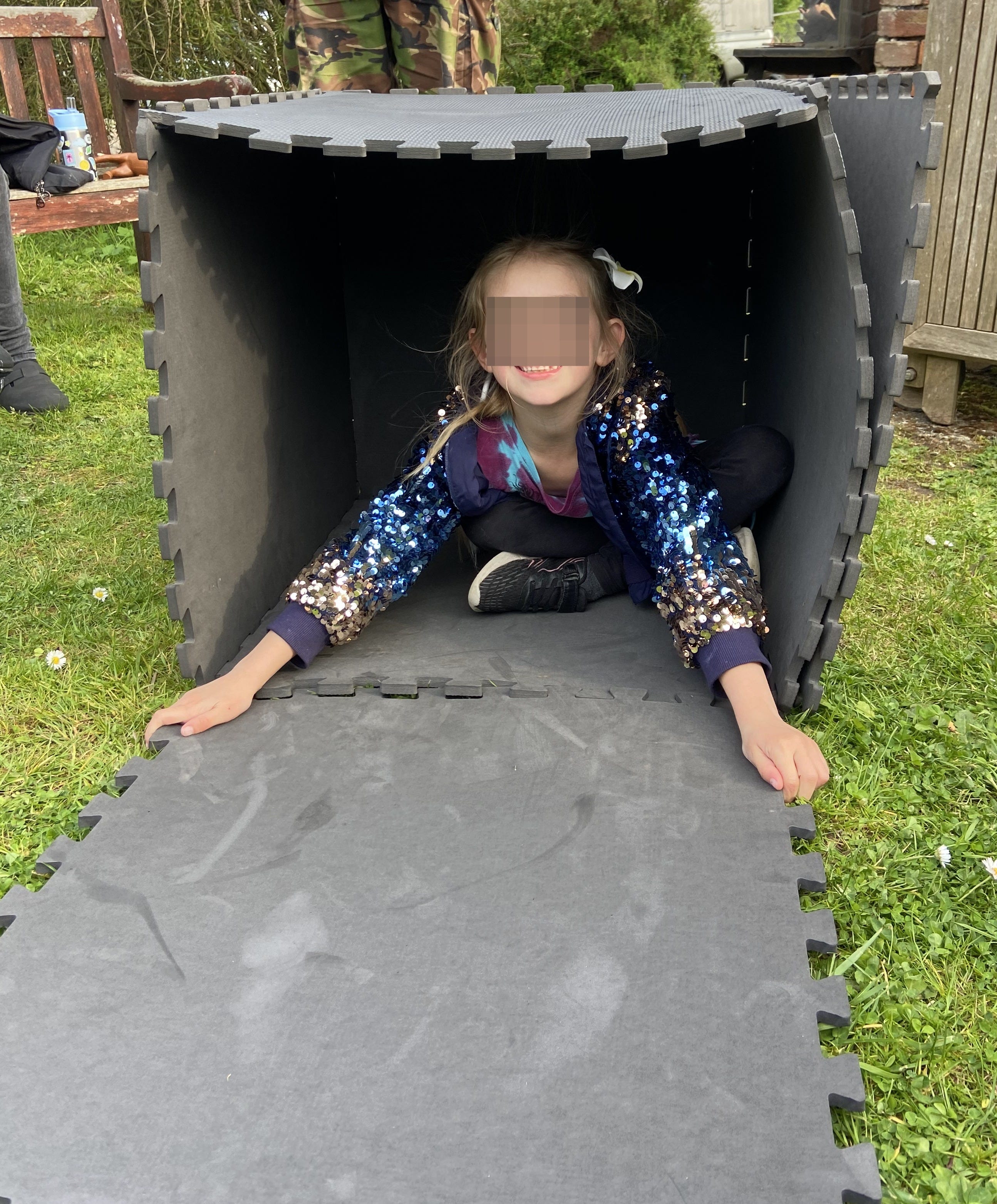
Takeaway: "Even with a defined Throat, communication needs the right environment. I’ve learned not to rush her words, because when they come, they carry real wisdom."
Identity, Style & Expression
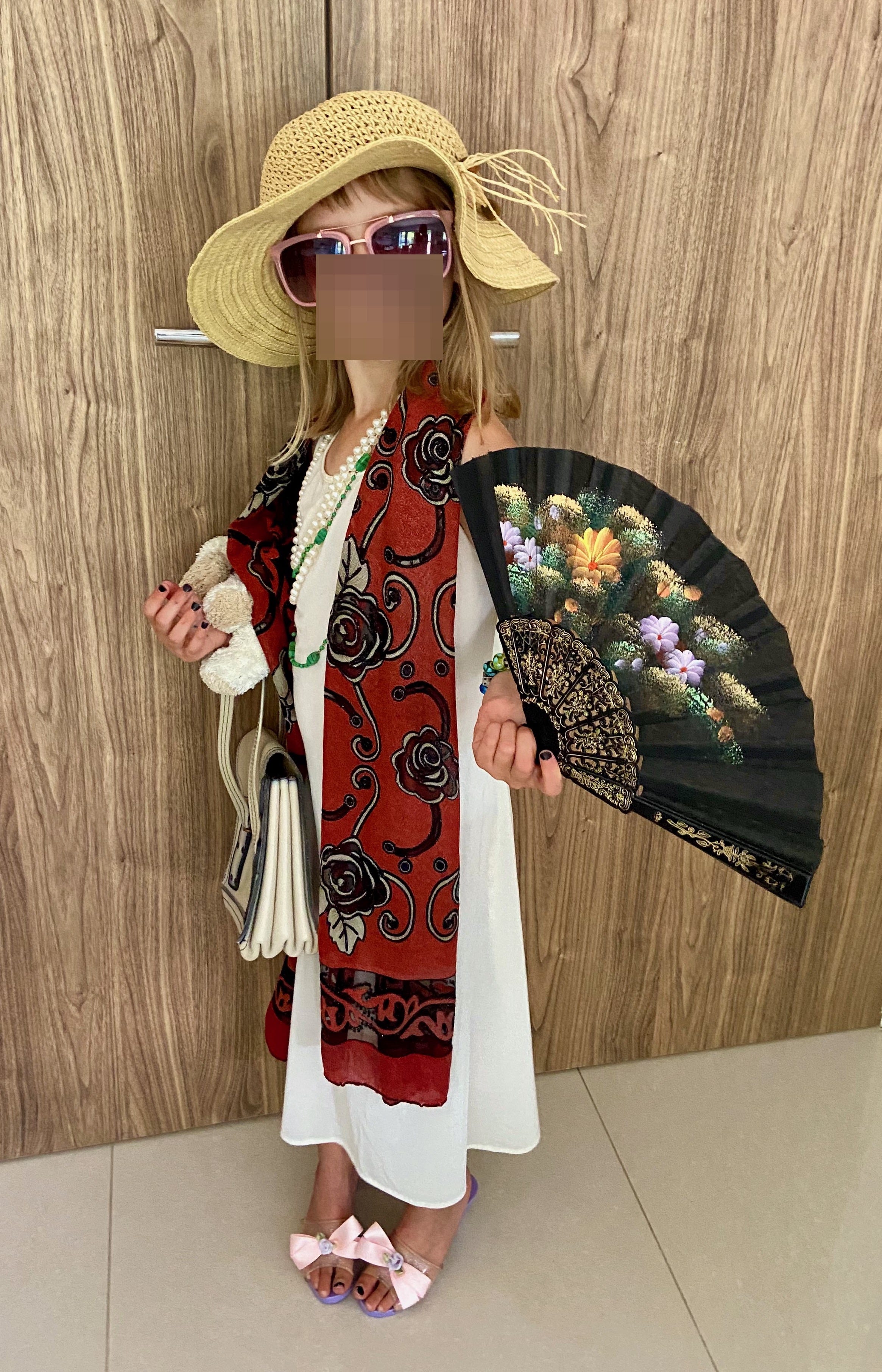
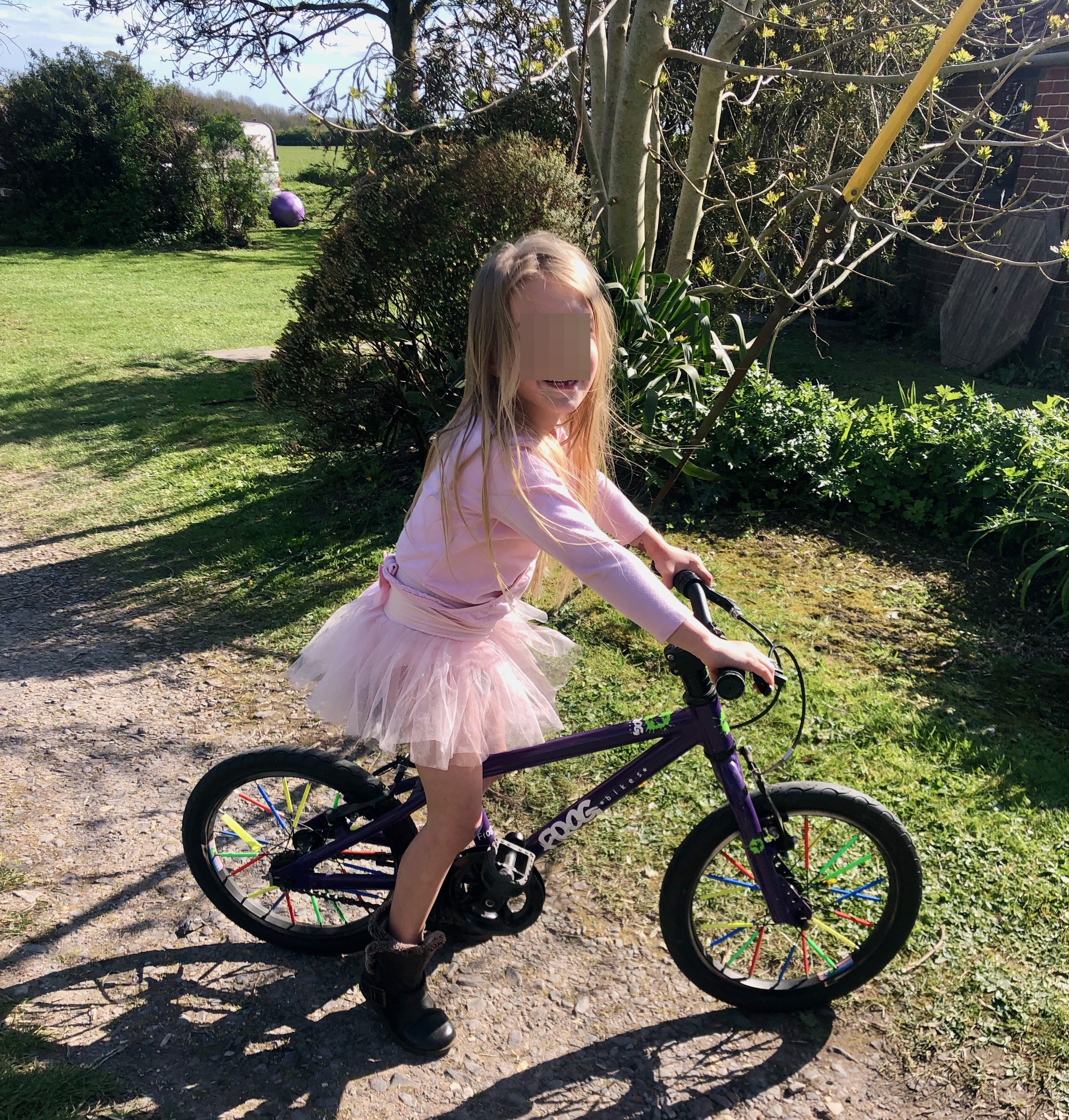
P’s defined G Centre shines through in her fashion sense. She’s been known to spend an hour getting ready—layering clothes, accessorising, drawing on her face. Many kids her age couldn’t care less what they wear. Pearl treats dressing as an art form.
At one point, I worried she was overly focused on appearance. We model minimal vanity, and she has little media exposure—so where was it coming from? But her design helped me see this was a pure expression of identity and creativity, not insecurity.
Takeaway: "What I used to worry was vanity, I now see as a beautiful expression of her defined identity and creative soul. Her outfits and her style are art."
Sensitivity & Seeking Validation
Despite her strong identity, P can be incredibly hard on herself. If she makes a mistake or we discuss a behaviour, she might say, “I’m stupid,” or “I’m the worst girl in the world.” It’s heartbreaking—and clearly not coming from anything she's been told.
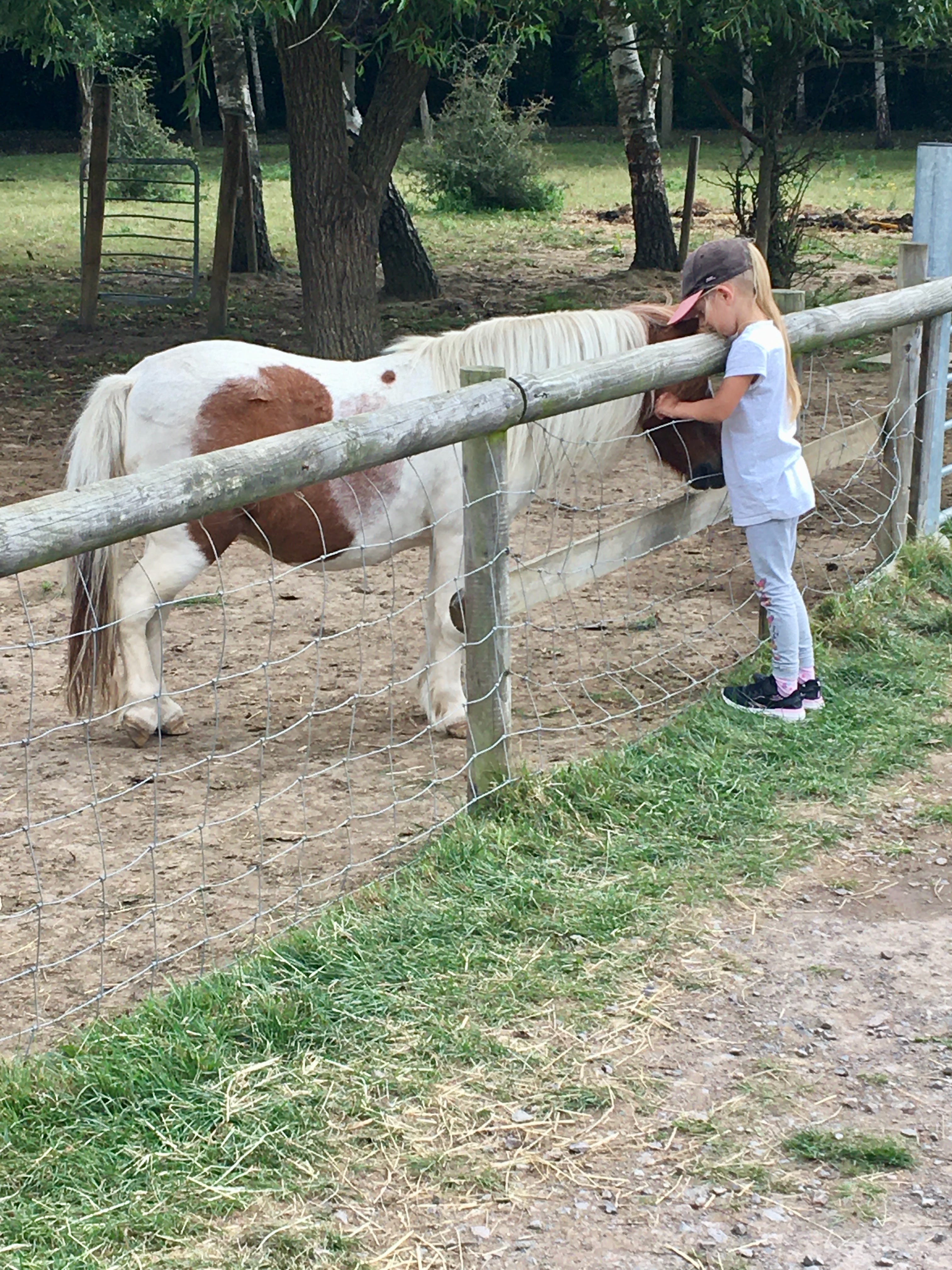
Her undefined Heart, Solar Plexus, and Spleen mean she absorbs emotions deeply, and may try to prove her worth even though it’s never been expected of her. Her design helps me hold those moments with compassion, and guide her gently without shame.
Takeaway: "Her sensitivity is not a flaw—it’s her openness. Knowing her centres helped me separate what’s hers from what she’s taking in."
Absorbing Fear & Experience Deeply
A theme park visit months ago still lingers. She went on a simulation ride and couldn’t separate the experience from reality. While others laughed, she was terrified. She still replays it, saying, “I’m scared because I’m thinking of that ride again.”
Her open Spleen, deeply imaginative nature, and right-brained design make her ultra-immersive. We’ve learned not to dismiss it, but to gently help her ground with practical support and redirection.
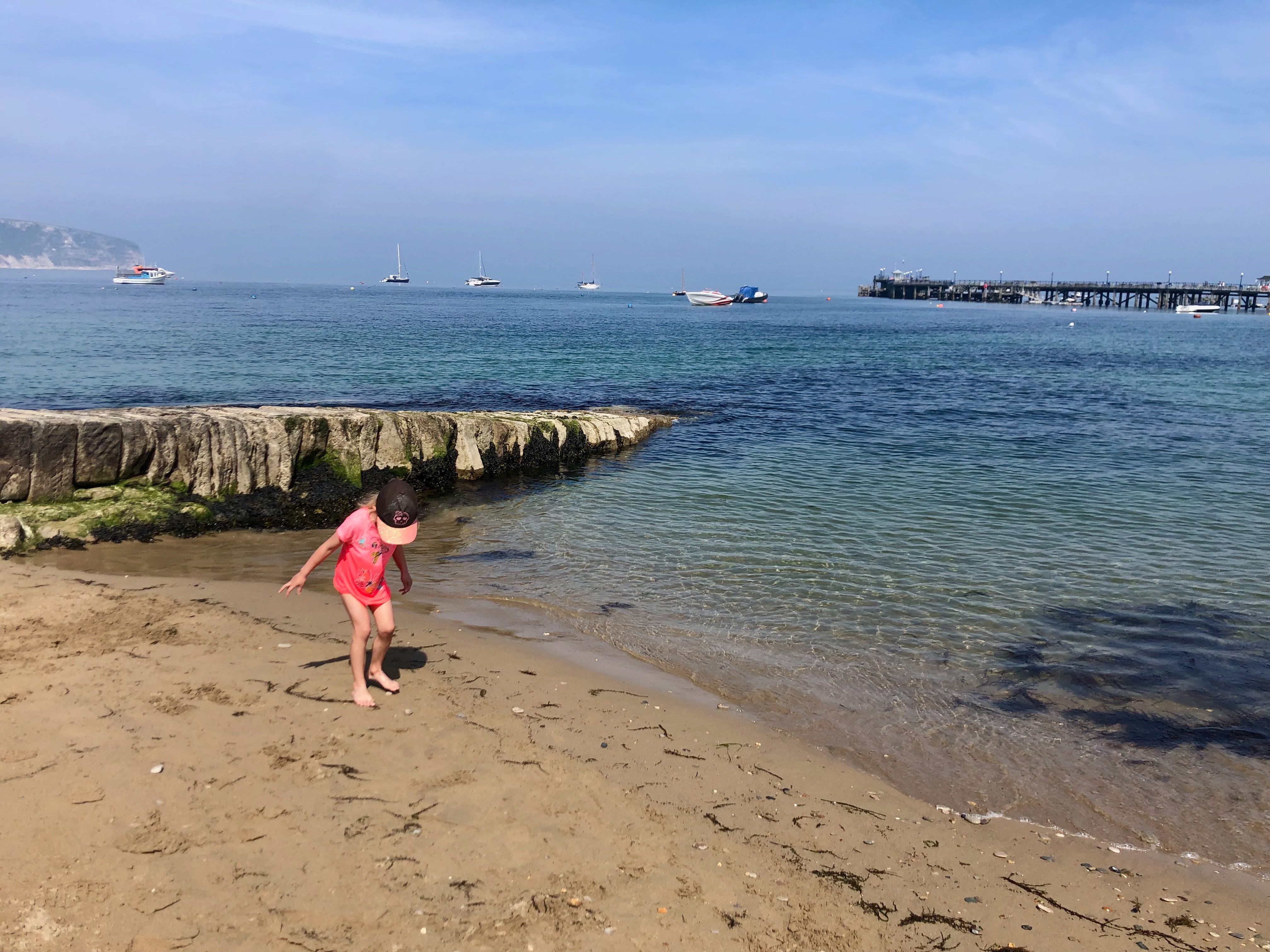
Takeaway: "Some children absorb life so deeply it takes them a long time to digest it. Now I know to help her with gentle distractions—not pressure to ‘get over it.’"
Conclusion: The Gift of Seeing Her Clearly
Raising P is helping me unlearn almost everything I thought I knew about development, discipline, parenting, and education. Without Human Design, I might have continued trying to guide her into boxes she was never meant to fit.
Instead, I now trust what I sensed all along: she doesn’t need fixing—she needs understanding.
The deeper I go into her chart, the more our connection blossoms. I’ve stopped fighting her rhythm and started dancing with it. I see the brilliance in her nuances—and I’m excited for what her future might hold if she continues to grow so naturally, so aligned.
Children are not here to be moulded. They’re here to be seen—and to shape the world in their wonderfully individual ways. Human Design is helping me see my daughter clearly.
If this resonated, I’d love to hear:
What have you begun to notice about your child when you stop trying to guide them — and start really watching who they already are?
Subscribe below to receive future essays exploring what we see, what we miss, and what becomes possible when we look again at children and childhood.