


Ever feel like emotions are running your household — sometimes in unexpected, overwhelming ways? In this article, I explore what the Solar Plexus Centre in Human Design reveals about emotional energy in families. Drawing on insights from Ra Uru Hu, Richard Rudd, Lynda Bunnell, and Chetan Parkyn, plus my own experiences as a parent of two daughters, I share practical ways to understand and work with your child’s (and your own) emotional rhythm — so you can ride the wave, rather than be swept away by it.
Riding the Emotional Wave: Parenting with the Solar Plexus Centre
Emotions run through every family like an invisible current. Some days they’re gentle ripples, other days tidal waves. In Human Design, the Solar Plexus Centre is where this emotional energy lives — and whether it’s defined (consistent) or undefined (sensitive and amplifying) has a huge impact on how family life feels.
If your Solar Plexus is defined, you automatically have Emotional Authority — meaning you are designed to make decisions by waiting for clarity over time rather than acting in the heat of the moment. If it’s undefined, you’re deeply empathic and may find yourself absorbing and amplifying the emotions of those around you.
You can check your chart (or your child’s) for free here: Get Your Chart – Jovian Archive.
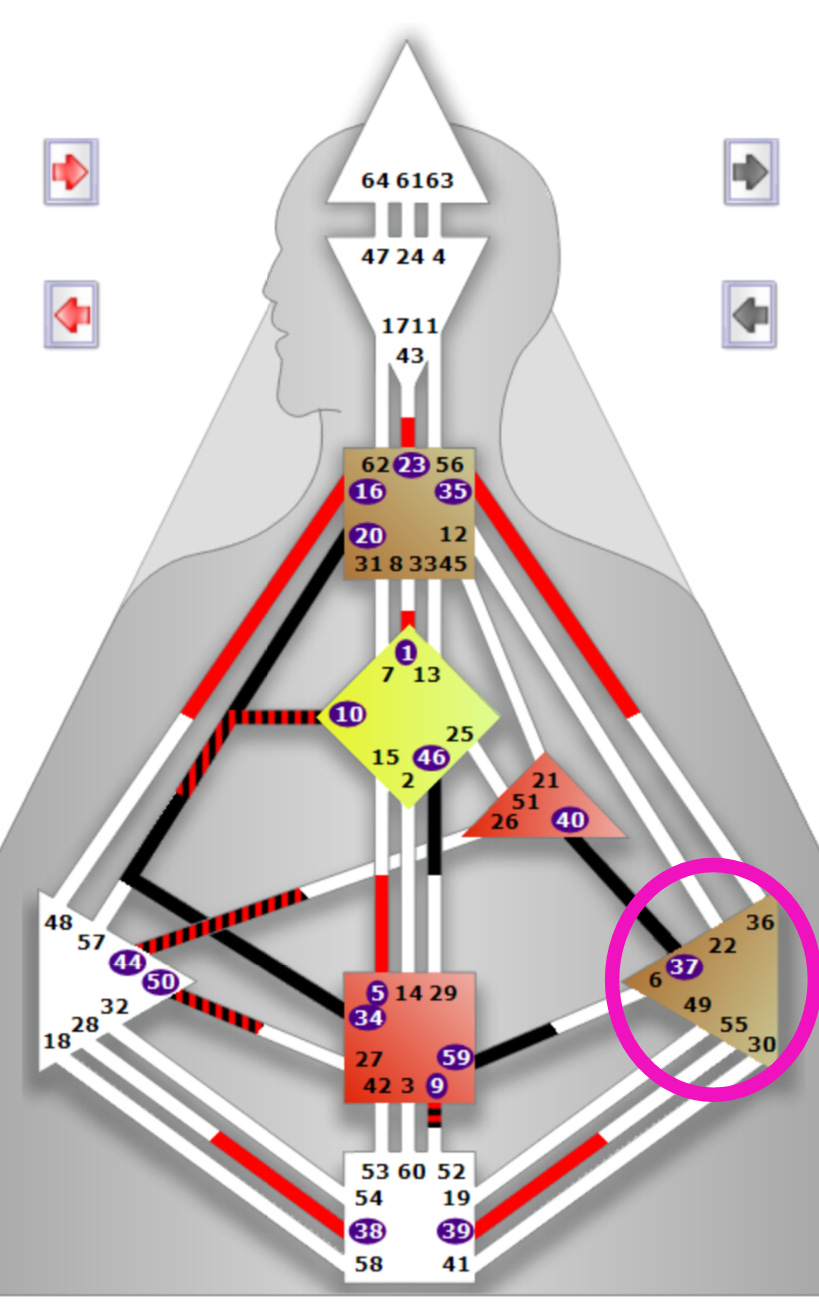
As someone with a defined Solar Plexus, married to and raising children with undefined Solar Plexus Centres, this dynamic has shaped so much of our family life. What follows is a blend of insights from Human Design teachers like Ra Uru Hu, Lynda Bunnell, Chetan Parkyn, and Richard Rudd, alongside my own lived experience as a home-educating parent.
The Ripple Effect of Emotional Definition
Ra Uru Hu often described the Solar Plexus as “the motor of consciousness” — a place of profound power that colours everything around it. A defined Solar Plexus doesn’t just affect the individual; it radiates out into the environment. For those who are undefined, this radiation can feel overwhelming, even disorienting.
My reflection:
Knowledge of the wave has been life-changing for me because it’s given me a way to see the dynamics in my household clearly. I genuinely credit Human Design (and the Gene Keys) for our home becoming more harmonious over the years. Before, I used to think the problem was always “out there” — that my struggles were caused by other people or the world. Now I can see that when I’m in a low, it’s like putting on a negative lens: everything looks harder, and my energetic output colours the whole environment.
My life circumstances can look exactly the same on two different days, but how I feel can vary so dramatically that I used to think I was going a bit mad. Hormones and cycles do play a role, but focusing on those alone never helped me shift the severe highs and lows. The wave framework gave me language and awareness that made sense.
I’ve also noticed how true this can be for the undefined Solar Plexus people within my family and friends. When they’re alone, they often feel calm and balanced. But as soon as they’re around me or emotionally defined others, they can easily get pulled into our waves and can feel ungrounded, confused, or even “faulty,” like something’s wrong with them. Knowing it’s not them, but simply their sensitivity to my/others’ wave, has been such a relief.
Defined vs Undefined Dynamics in Daily Life
According to Chetan Parkyn, emotional energy is rarely personal — yet in relationships, it’s almost always felt as personal. The interplay between defined and undefined family members is where the greatest challenges (and growth) lie.
My reflection:
I can literally feel the energy I set in motion ripple through our family. Even the word emotion means “energy in motion,” which naturally evokes the image of a wave.
One of the clearest examples is mornings. I’ve always been a bit of a grumpy, slow-to-wake person. Pre-kids, my ideal routine was to sit in silence with a hot drink and a book before starting my day. My husband knew to leave me to it. But life with little ones doesn’t allow that kind of luxury — and being an exhausted, under-slept 41-year-old mum has only intensified my tendency to be cranky.
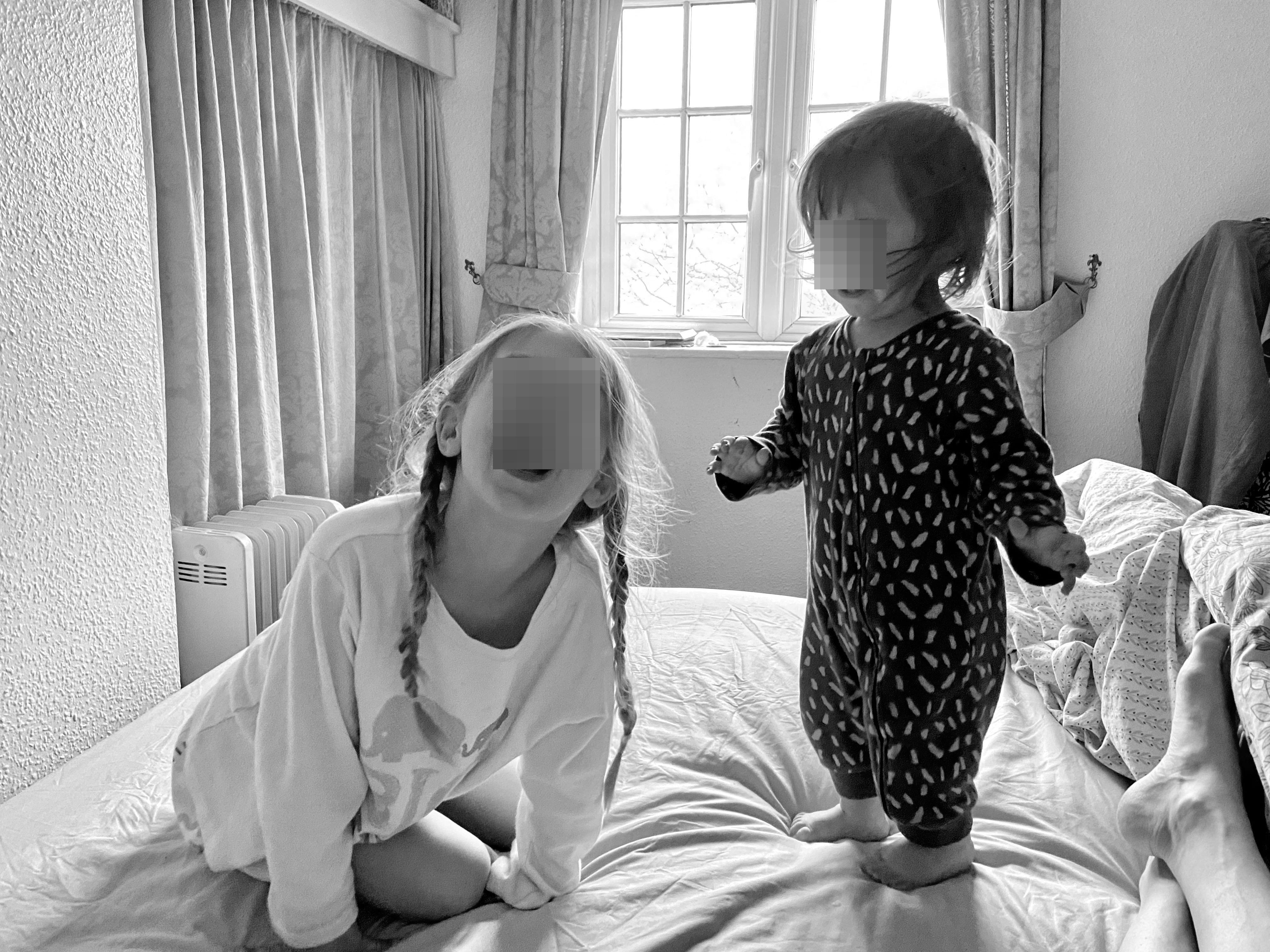
If I let that seep out in the form of a sharp tone, even just slightly, the ripple is instant. My husband mirrors it. Then the girls pick up on it and come into our room to find us snappy instead of warm, which triggers them to get high-pitched, hyper, or defiant. We respond by snapping more, and the whole morning spirals. It’s always disastrous.
But through awareness, I’ve shifted this pattern. Even on very little sleep, I now make a conscious effort to bring warmth to my first words in the morning (even if it feels forced when I have been awake with the toddler since 5am!). I also find small ways to keep my slow wake-up rhythm alive: lying on cushions half-dozing while my daughter plays with books, or holding firm to a short coffee-and-quiet time where the girls know it’s time for gentle activities. It’s not perfect, but it’s made a huge difference.
The Evolutionary Role of Emotions
Ra Uru Hu called the Solar Plexus the “new awareness centre” — still evolving, still raw. Emotions, he said, are not here to be solved but to be experienced. Richard Rudd, in the Gene Keys, echoes this by describing our task as moving from reaction → awareness → acceptance → embrace.
My reflection:
With my older daughter, the meltdowns and big emotional outbursts almost always come later in the afternoon or evening. To me, this is such evidence of her undefined Solar Plexus absorbing everyone’s emotions throughout the day. She can seem exhausted and drained even when the day hasn’t been physically demanding.
Now we recognise this pattern, we consciously build in decompression time every evening: familiar stories or videos, creative outlets like art or dancing, and just space to “let it out.” The focus isn’t on analysing her feelings or punishing her behaviours. Instead, we try to hold space while she discharges all she’s picked up.
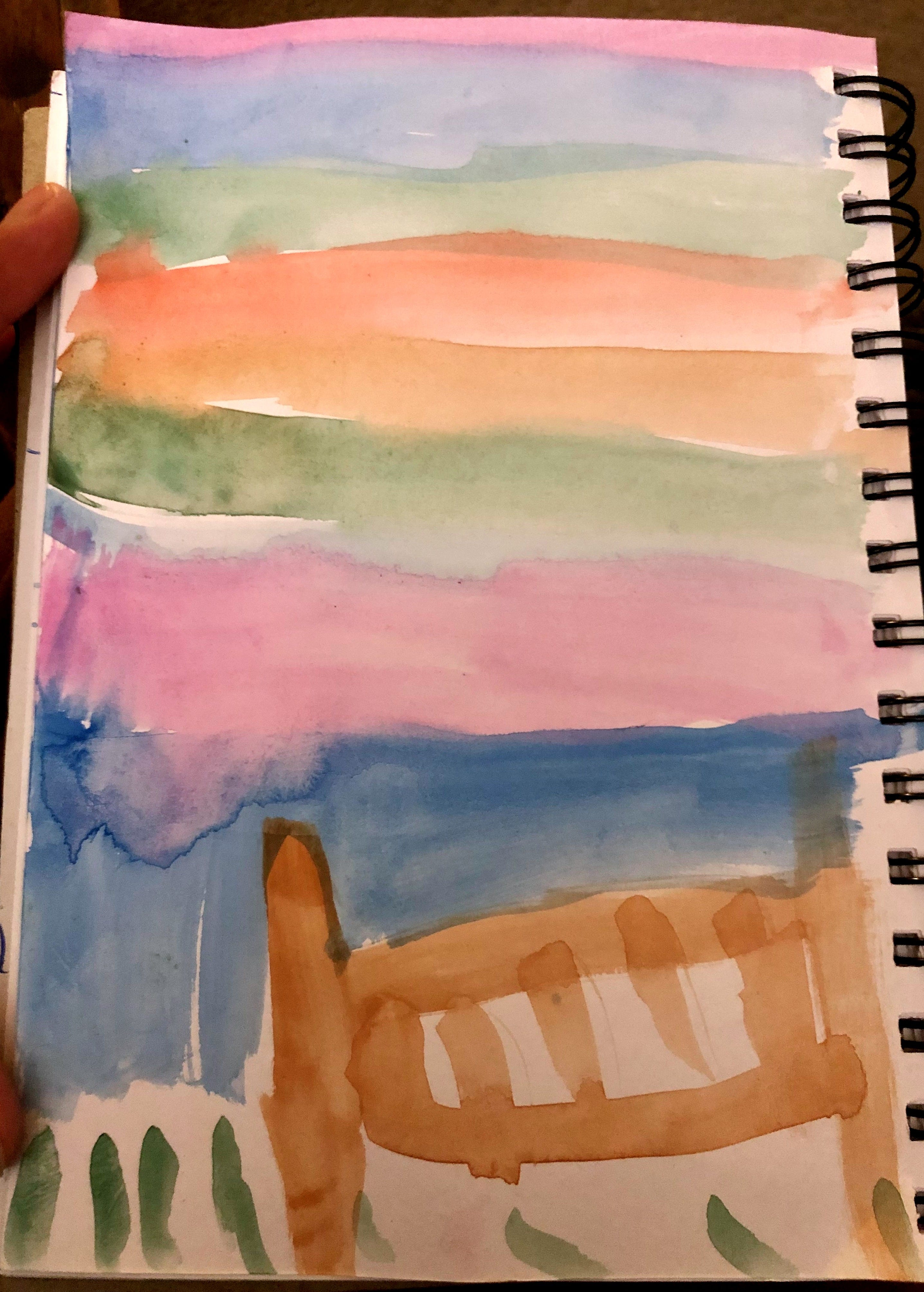
That doesn’t mean no boundaries — we do gently talk through the consequences of her actions once she’s calm. But our language is about “working together” on what might help next time. In this way, I see her meltdowns less as interruptions to life and more as emotional training grounds, where she’s learning how to process and reset.
Emotional Life as Education
In her Living Your Design Guidebook, Lynda Bunnell reminds us that emotional authority is about patience — waiting for clarity, riding the wave, not forcing outcomes. For families who home educate, this principle can be lived out daily. Learning doesn’t only happen in books; it unfolds in the messy, beautiful terrain of emotions.
My reflection:
When I used to take a more structured approach to home education, I noticed how easily my emotional wave could derail everything. If my daughter resisted direction, I’d feel frustration building. She would then absorb it, shut down, and turn her frustration inward — berating herself, or just giving up. It was painful to watch, and the whole experience was counterproductive.
Sometimes, when I’m in a good place in my wave, I can still introduce a bit of structure and hold it lightly. But I’ve learned that even with awareness, my wave can rear up unexpectedly. So we’ve clarified our approach to be more life-learning and unschooling. This has opened space for me to frame the emotional dynamics themselves as part of the curriculum.
My daughter already recognises, in her own words, that “mummy was in her wave” when I’ve been reactive. She knows it’s not “her stuff” but mine. As she grows, I hope to deepen this awareness — helping her discern which feelings are truly hers, and which she’s picking up from others.
Parenting with Awareness
Ultimately, Human Design isn’t about removing challenges but about meeting them with awareness. Richard Rudd reminds us that the gift hidden within emotional turbulence is depth: a capacity for compassion, creativity, and connection.
My reflection:
One of the biggest shifts has been learning to recognise when the wave is rising in my body. For me, it feels like a hot ball in my diaphragm (fitting, given that’s where the Solar Plexus sits). When I notice it, I try to step away for a few minutes, breathe, and reset before it overflows.
Of course, sometimes the kids are still right there. In those moments, I say out loud: “Mummy’s starting to feel a bit angry. It’s my feeling, not yours. I just need some space for it to pass.” This simple naming gives them clarity — they don’t have to internalise my mood as their fault.
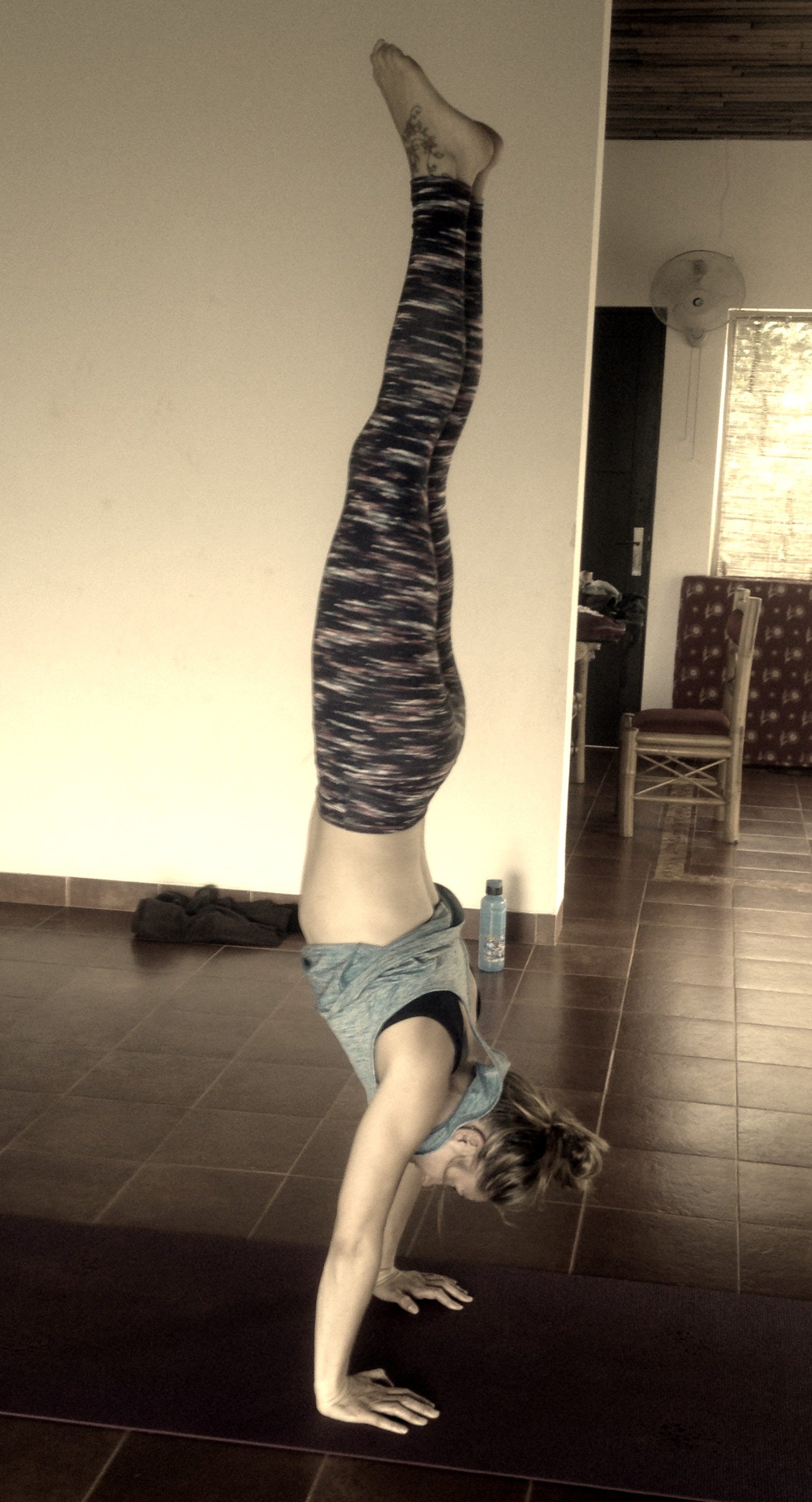
Beyond the moment-to-moment, I also rely on regular alone time and body-based practices like yoga or running. They keep me grounded and help release the charge of the wave before it builds up too much.
Closing Thoughts
Whether your Solar Plexus is defined or undefined, emotions are the great teachers of family life. They pull us into patterns, test our patience, and reveal our blind spots. But with awareness, they also become doorways into compassion and connection.
I’ve stopped seeing my emotional wave as a flaw, and started to see it as part of my design. Messy, yes. Inconvenient, often. But also creative, tender, and deeply human. And when I can ride it with awareness, I not only honour myself — I give my children permission to honour their own feelings too.

That, to me, is where emotional intelligence truly begins.
If this resonated, I’d love to hear what you’re noticing in your own family.
Whose emotions tend to set the tone?
Where do things escalate — and what seems to help them settle again?
Sometimes simply seeing these patterns more clearly begins to shift them.
Subscribe below to receive future essays exploring what we see, what we miss, and what becomes possible when we look again at children and childhood.
Further reading

(At the end of this article are practical strategies for all 4 combinations of parent and child Solar Plexus definition. Understanding this dynamic can bring huge shifts in how you relate and support one another.)