


A few weeks ago we visited a newly renovated local museum — the sort of place that’s so rich, so layered, so full of curiosities that you’d need ten visits just to scratch the surface. We wandered slowly, doubling back, following the girls’ curiosity and questions, looping through each gallery at the pace of genuine interest.
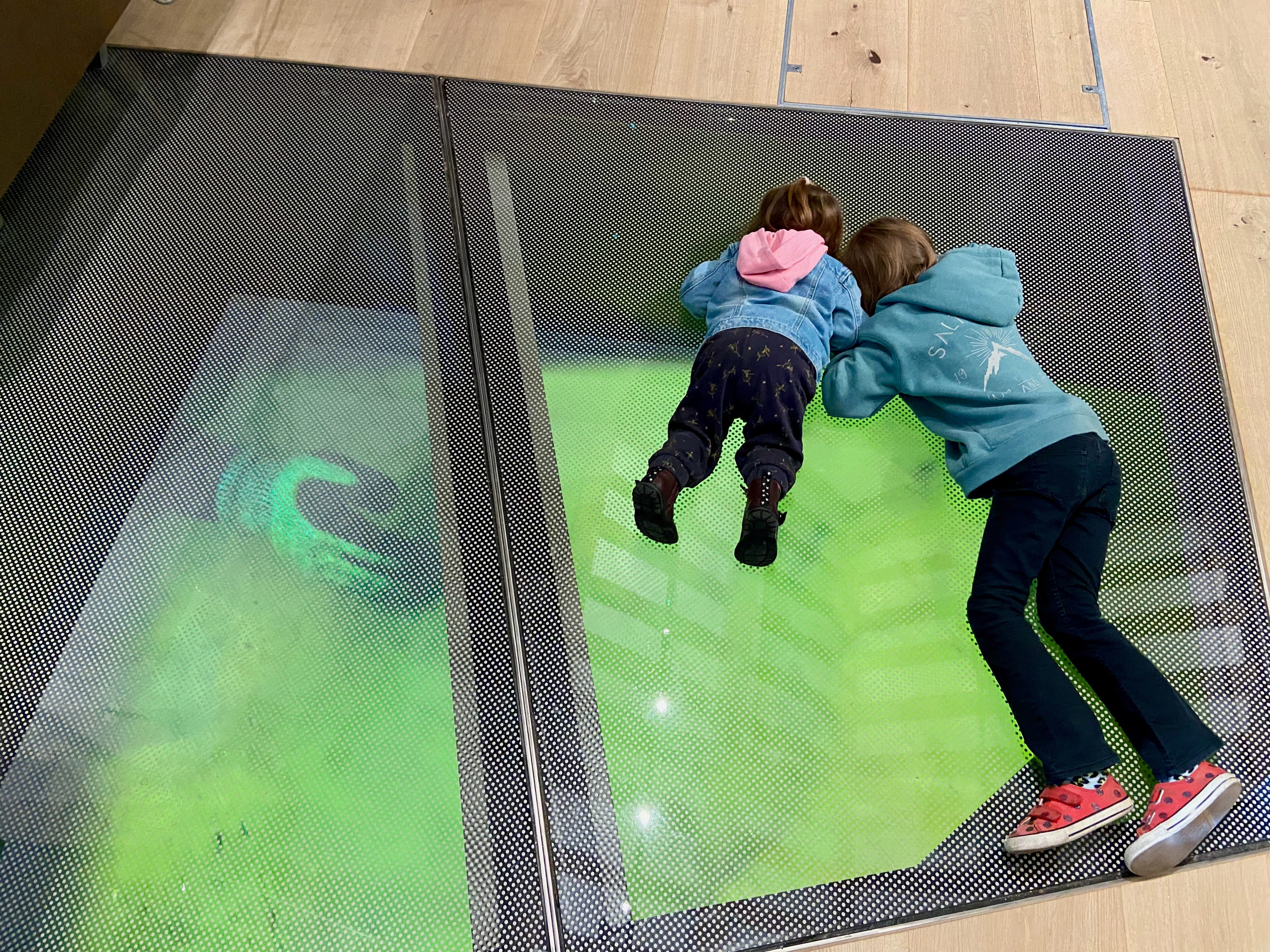
And as we left, something quite simple — and slightly uncomfortable — landed in me:
How much learning actually happens on a typical school trip?
The excitement state: wonderful for life, terrible for learning
I can still remember the visceral thrill of school trip days.
The buzz. The novelty. The sheer joy of getting out of the building.

But excitement — especially the big, collective, dysregulated kind — is not the state where children’s nervous systems are primed for absorption, meaning-making, or deep comprehension.
Museums are overwhelming for many children even in ideal circumstances: the sensory input, the scale, the novelty, the pace of adults trying to “cover” everything.
Layer in a hundred children in heightened energy? The likelihood of truly taking something in falls even further.
Excitement creates memories.
But it rarely creates understanding.
Being shepherded through ‘learning’
My dominant memory of school trips isn’t the museum objects — it’s the lines.
Lining up to get off the coach.
Lining up in the foyer.
Being shepherded in tight clusters from exhibit to exhibit.
Being told “you’ll learn more about this in your talk later.”
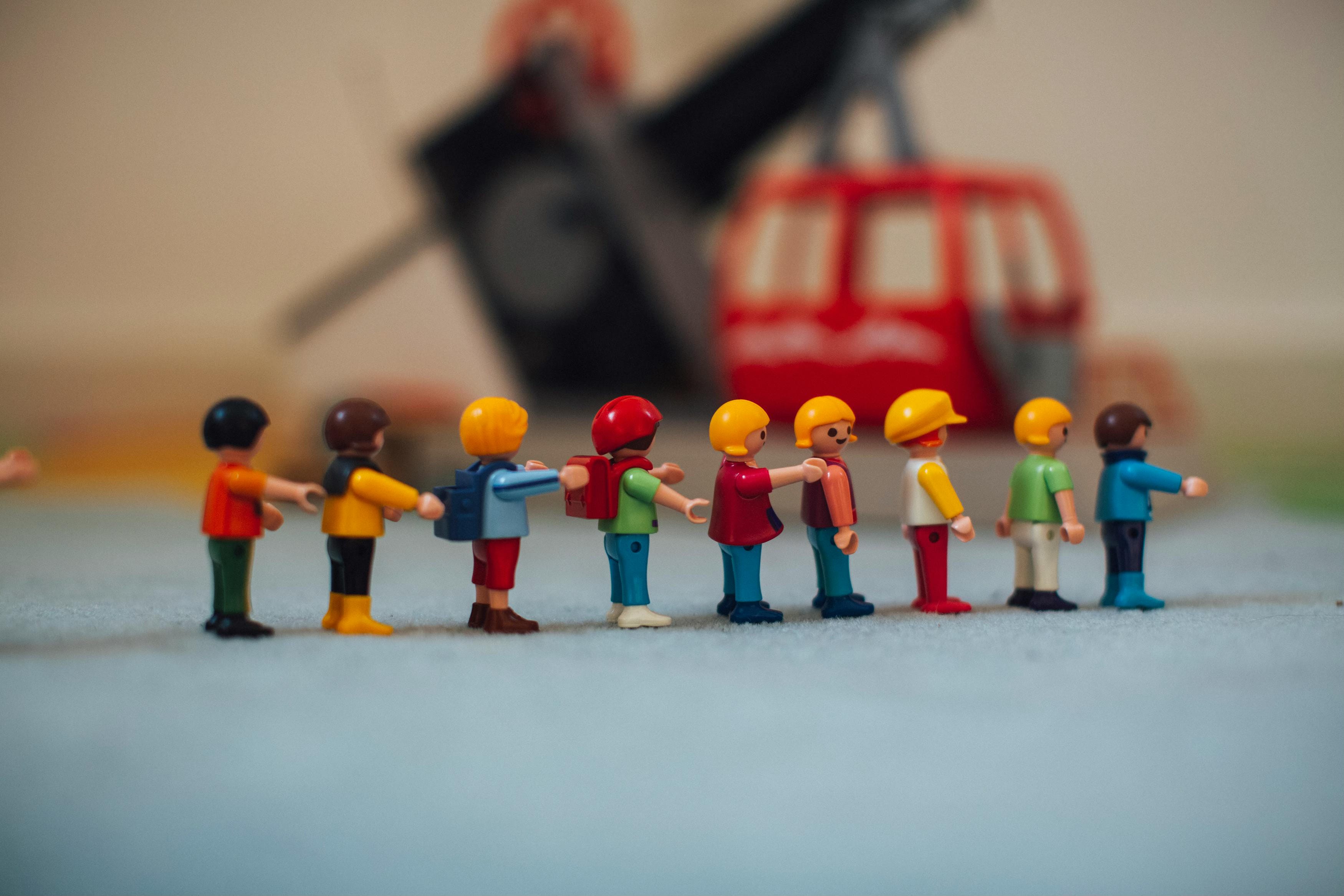
There was no wandering. No lingering. No “come back to this after lunch because it’s still tugging at you.” No space for internal connection or curiosity.
Everything was scheduled, supervised, directed, contained.
There is a difference between taking children somewhere educational and creating conditions for learning.
School trips tend to offer the former.
Home education allows the latter.
The museum experience when you’re not in the crowd
Our home-ed museum days look nothing like the ones I grew up with.
A Tuesday morning in term-time is a different world:
Quiet rooms.
Unhurried staff.
Time to ask real questions — the kind children actually want to ask.
Exhibits you can stand in front of for as long as your child is captivated.
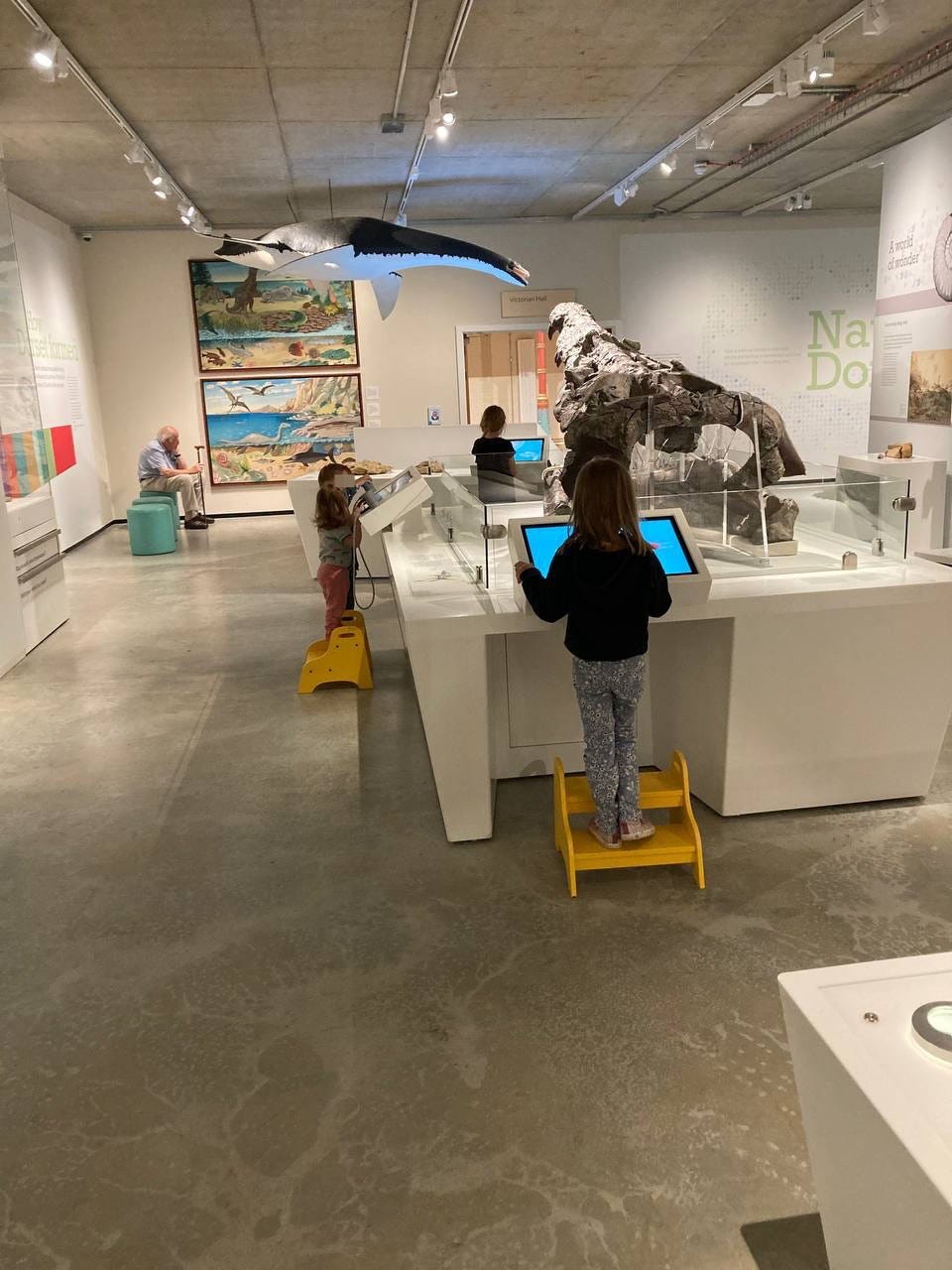
We can loop back to favourites.
We can leave when attention or energy dips.
We can return week after week, layering learning naturally over time.
Museums become an ongoing conversation, not a one-off educational performance.
And then there’s the money…
Something that’s rarely spoken about, but absolutely shapes this picture:
School trips are expensive.
Not outrageously so in every case — but certainly for many families, especially with more than one child.
Coach hire, group bookings, staff time, insurance, the add-on workshop… it all gets passed down to parents.
You pay £10… £15… £25… and for what?
A rushed hour of touring, a worksheet nobody wants to do, and a packed lunch eaten sitting on a cold floor.
Meanwhile, home-educating families often quietly benefit from:
Off-peak lower prices (or even free entry)
Annual passes that pay for themselves within two visits
The ability to stay as long as you like (meaning better cost-per-hour learning)
The chance to use staff expertise when they’re actually available and unpressured
Returning multiple times, making the visit exponentially more valuable
The value-for-money comparison isn’t even close.
A single home-ed annual pass can support weeks or months of rich, self-directed learning — not one overstimulating afternoon.
Exposure vs integration
This is the heart of it.
Most school trips provide exposure: a brief glimpse, a tick-box experience, a logistical accomplishment.
But true learning — the kind that settles into the body, shapes understanding, and appears later in unexpected connections — requires:
freedom
spaciousness
emotional regulation
time
repetition
personal relevance
the ability to follow your own questions
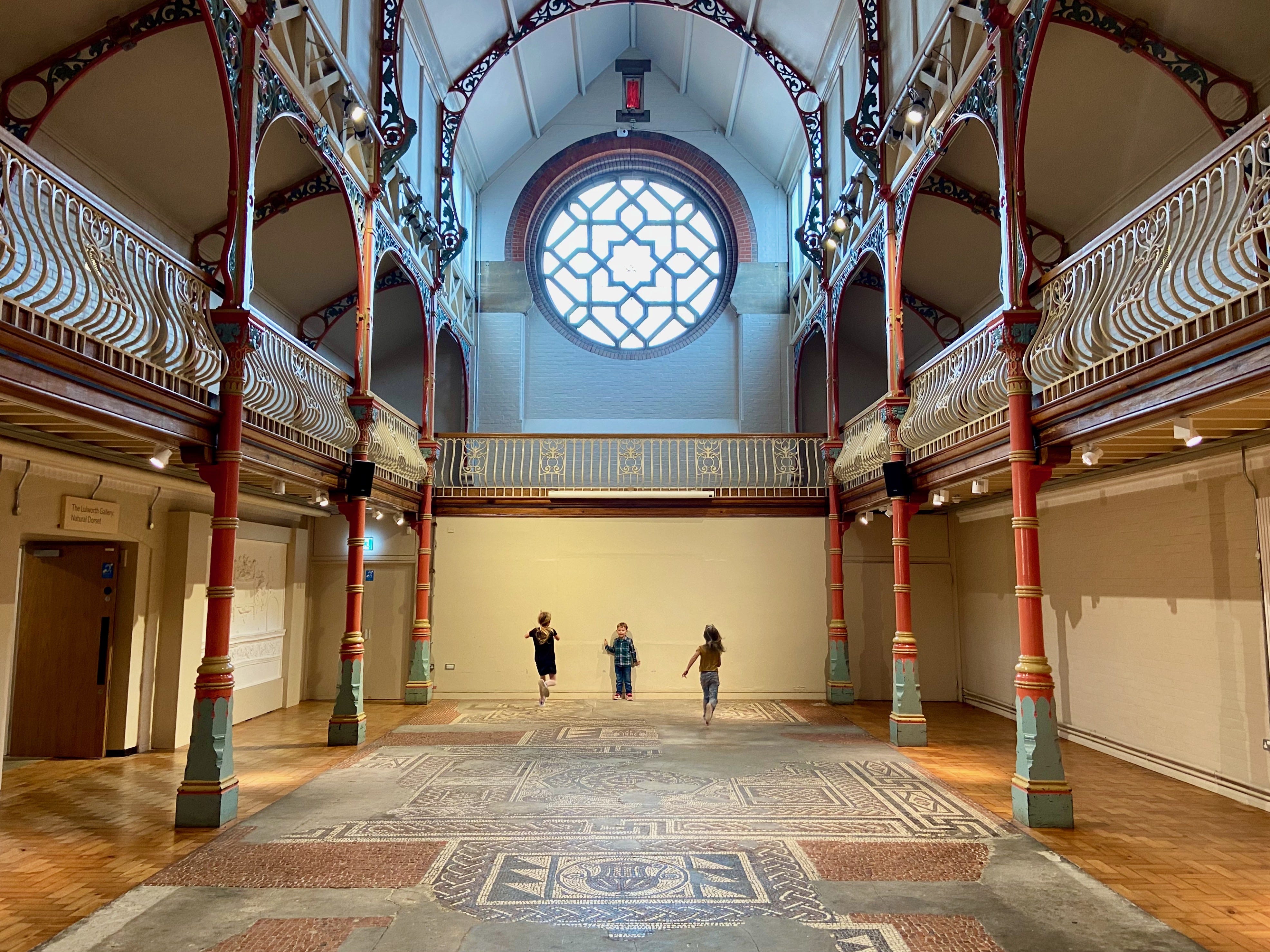
None of these are possible inside a hurried, adult-directed, highly stimulated school group.
Yet they are perfectly normal on a home-ed day out.
What if learning isn’t about cramming information, but about meeting the world?
Museums are extraordinary spaces.
They hold the past, the future, the weird, the unexpected, the deeply human.
Children can learn so much from them — but not when the visit is rushed, regulated, and performed.
What I realised the other week is that home education gives our children the priceless opportunity to meet these places in the way humans are meant to learn:
through curiosity, in safety, with time, and in connection with what genuinely sparks them.
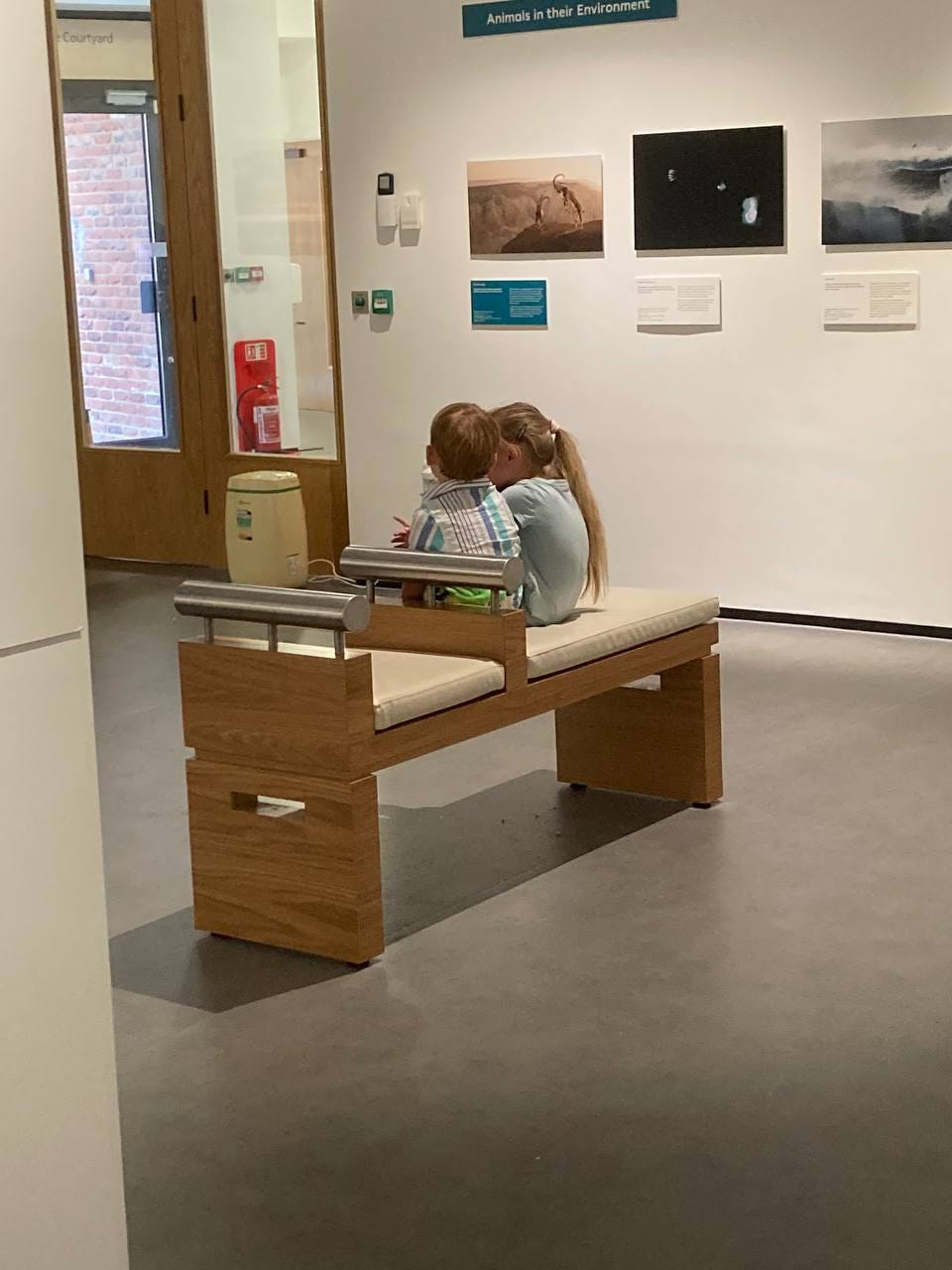
In other words:
Not in a line.
Not in a hurry.
And not because someone planned it “for their own good.”
If this piece stirred something, I’d love to hear.
Have you noticed a difference between experiences your child is taken through — and ones they’re able to move through in their own way?
And what seems to stay with them afterwards?
Your reflections often help others see these differences more clearly.
Subscribe below to receive future essays exploring what we see, what we miss, and what becomes possible when we look again at children and childhood.
Further reading


I remember the confusion the museum person experienced trying to line up the kids in our homeschool group by age. They flatly refused, preferring to be grouped with friends and family members. It took almost half an hour to sort out because the museum person couldn't adjust - too used to school groups.
For a start, our kids never line up for anything. They'll filter through the door one at a time, they'll sit when asked. They don't need to be shepherded to do that.
And then there's the time a group of us went to the museum, about 4 families. Our kids were free to roam and talk and look at whatever they wanted, usually with one or two adults nearby, who'd help them with reading if needed, or simply chatting about the displays. It was quiet, orderly, a slow rambling around the rooms.
Then a group of school kids came in - noisy, moving quickly from exhibit to exhibit, clipboards and worksheets in hand. The object was to get the answers required as quickly as possible - kind of like a disorganised treasure hunt.
The contrast between the level of engagement with the museum was really obvious.
Many, many times I was asked by staff if I was a teacher, mostly because I'd be reading information to the kids, and a small group had gathered around me. I once had school kids come over and listen.
This makes so much sense. Annual passes rock! Then it's worthwhile going just to see one thing.