



There is such power in understanding the emotional dynamics at play within a family.
When I first came across the idea — through the Human Design system — that I was emotionally defined and my husband and daughter (and now our second daughter too) were undefined, something about it struck a chord, even if I wasn’t sure how fully it applied yet. It seemed to go someway towards explaining my inner world. I’ve always felt the depths of emotion: the kind of melancholy that drifts in uninvited, the red mist of anger descending out of nowhere, or a sudden surge of joy so intense it brings me to tears.
While I’ve seen shades of these states in my family members, they don’t seem to get as stuck in or overwhelmed by them the way I do. And here’s the key thing — I always feel like I start it for them.

The emotional domino effect
For example, my husband often comes home from work with his steady energy. His nervous system generally seems less highly strung than mine, and he’ll ask how I’m doing. If I’m not having such a good time and start venting about the stresses of the day, I often observe his energy drop to match mine. Sometimes this triggers not-so-great energy exchanges between us, because what I really want in that moment is for him to stay neutral. To listen, to let me offload — but still hold his evenness, so I can feel grounded and reassured. Sometimes I just need a sounding board. Once it’s out, I usually move on.
Riding the wave — or getting pulled into it
It plays out with my daughter too. She often floats in her own little world — imaginative, peaceful, self-contained — which can be delightful, but also challenging when things need to happen on a schedule. As my stress builds, so do my emotions. Frustration, overwhelm, snapping… and occasionally, shouting (not proud). Then she responds to my emotional state, not the situation — she bursts into tears, shouts back, or collapses emotionally when I flounce out to the car in a desperate attempt to get us moving.
This piece was originally written about a year ago, when she was younger and also still adjusting to having a new baby sister. These emotional moments were happening more often — partly because we were all navigating a new season, and partly because I didn’t yet have the tools I do now. We were getting stuck in intense emotional spirals that neither of us could seem to break.
One of the common suggestions in Human Design for people with emotional definition is to try to move away from others when you’re in your wave. At the time, I found that hard to hear — especially as a home-educating parent with a baby. It’s just not always practical. But still, it planted a seed of awareness.
Eventually I began experimenting with it — taking myself off to the bedroom, closing the door, and simply giving myself space. Not to sulk. Not to punish. But to let the wave come down. Those few minutes alone became a kind of emotional decompression — enough to soften the intensity, to reset, and to come back into connection.

It wasn’t always easy. I didn’t love the feeling of shutting my daughter out while she raged and cried on the other side of the door. But sometimes, her tears were the very thing that softened her energy too — what Gabor Maté calls the “tears of futility,” which can bring a child back into emotional receptivity. In those moments, I could open the door again, gather her into my arms, and we could begin again.
Finding ways to reset — even with kids around
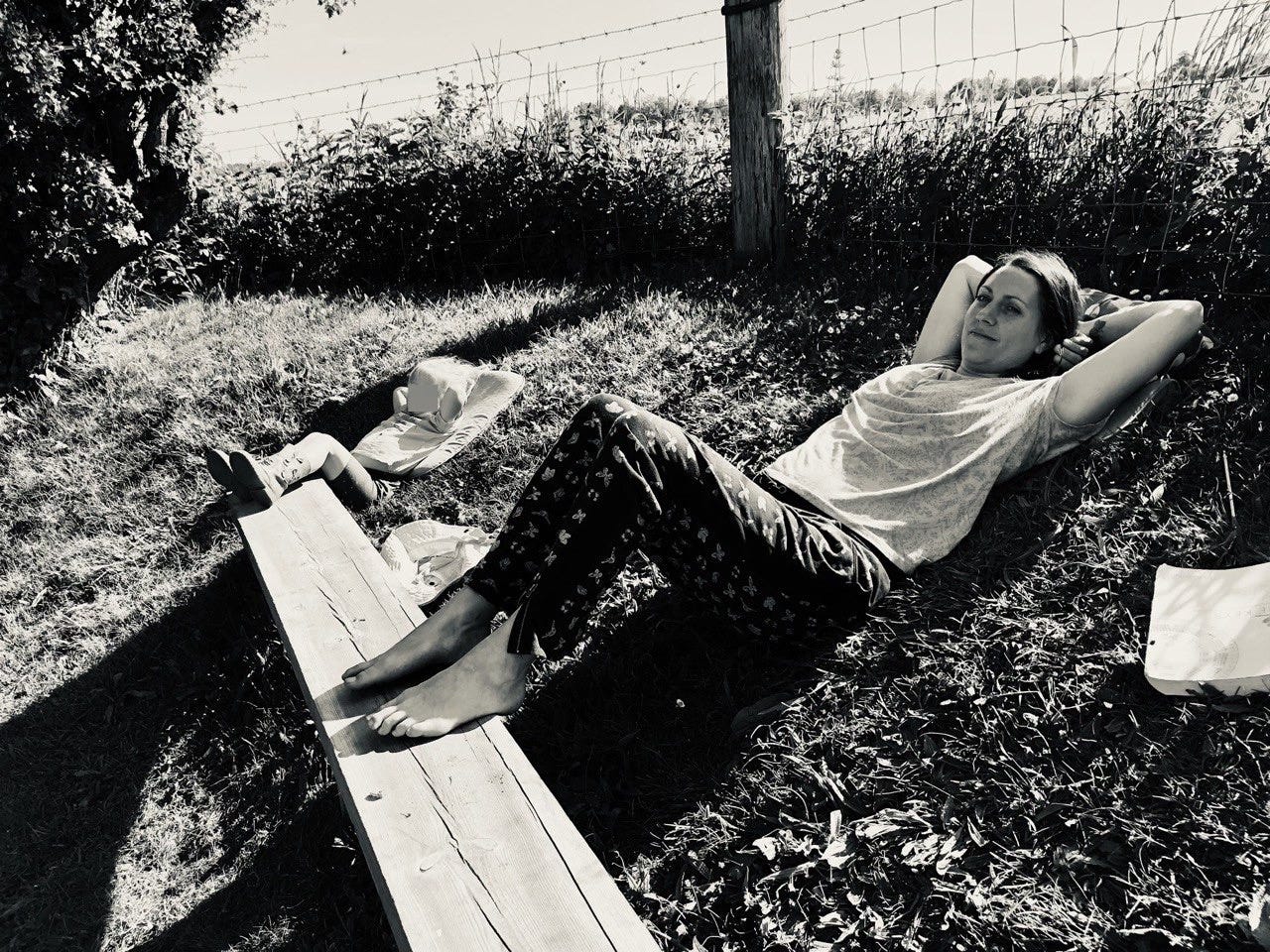
Of course, finding space doesn’t always mean disappearing. One of the other tools I’ve come to rely on — and still do — is moving my body. It’s not always peaceful (especially with a child climbing on me mid-yoga flow!), but it helps me shift the emotional charge through me, not at anyone else.
Doing a few cat-cows on the living room floor while the kids copy or clamber over me, stretching my arms out wide and letting out a loud sigh, putting on music and dancing it out — these aren’t glamorous practices, but they help. They remind my body that it doesn’t have to hold onto everything.
Living with emotional depth
Another thing that helps — and always will — is having time for myself. These days I have a few hours carved out here and there during the week — time to work on my own projects, decompress, or just reset alone. They’re not always predictable, but they’re mine — and they make a huge difference.
But perhaps the biggest shift is internal. I’ve stopped fighting my emotional nature quite so much.
As I began to understand what it really meant to ride an emotional wave, I started seeing the pattern clearly in my life. I then went through a phase of resenting it. I felt like I’d been given an affliction — why couldn’t I be calm, consistent, “chill” like people with an undefined Solar Plexus? Why did I have to feel everything so intensely?
But gradually I’ve come to see that there’s no better or worse in Human Design — just difference. My emotions are part of my design. And while they can be inconvenient or messy, they also bring depth, creativity, and compassion. I’m not always in control of when the wave rises — but I am learning how to ride it. And most importantly - to try to wait until it passes before doing or saying anything important (Emotional Authority decision-making).

As Richard Rudd says in the Gene Keys, the path is awareness → acceptance → embrace. I think I’m somewhere between the second and third. The embrace is still tender and new — but it’s there.
Navigating Emotional Energy in Families
Practical strategies for all 4 combinations
Whether you or your child are emotionally defined or undefined, understanding this dynamic can bring huge shifts in how you relate and support one another.
💛 You are emotionally defined, your child is undefined
Your child absorbs and amplifies your emotional state. It’s powerful to pause and step away when emotions tip into overwhelm — not to disconnect, but to protect both of you.
If you do lose control, apologise sincerely. Children learn emotional accountability not from perfection, but from witnessing repair.
Name your feelings as yours: “I’m feeling really frustrated right now, but it’s not your fault.”
Help your child clear energy they’ve picked up: movement, tears, drawing, cuddles, soft music.
Create safety through rhythms and rituals that help them emotionally reset.
💙 You are emotionally undefined, your child is defined
Their emotional wave isn’t rational — avoid trying to talk them down mid-wave. Stay calm and present, without taking it personally.
Be a steady anchor, not a mirror. Let the storm pass, then reconnect.
Create self-care or quiet time for yourself to discharge what you’ve absorbed (e.g. walks, journalling, baths).
Support your child in naming and tracking their wave — try a 1–5 rating scale and simple emotion vocabulary.
Encourage non-verbal outlets like art, music, movement, or storytelling.
💚 You are both emotionally defined
You may amplify each other’s wave — awareness is key to avoid spiralling together.
Practice naming your emotions aloud and using a shared intensity scale to pause reactivity.
Honour your emotional depth through creative expression: journalling, painting, singing, dancing.
Use shared rituals (music, breathing, nature walks) to co-regulate gently.
Take space when needed — even 10 minutes alone can help you come back with presence.
💜 You are both emotionally undefined
You are both sensitive to external emotions and may recycle feelings that don’t belong to you.
Create a calming environment and shared decompression routines at the end of each day.
Develop emotional clearing habits for yourself and teach them to your child as age allows — stretching, breathwork, body scans, nature time.
Avoid overstimulating environments when possible, or build in recovery space afterward.
Trust your shared sensitivity as a gift — one that lets you feel the world deeply, but requires boundaries and gentleness too.
Closing thoughts
This journey isn’t linear. There are still days I get swept up, react, regret, repair. But I no longer feel broken or too much — I feel human. And I’m learning to live with my emotional wave, not against it.
Whether your Solar Plexus is defined or not, we’re all swimming in emotional waters together. The more awareness and gentleness we bring to ourselves, the more we can bring to our children.
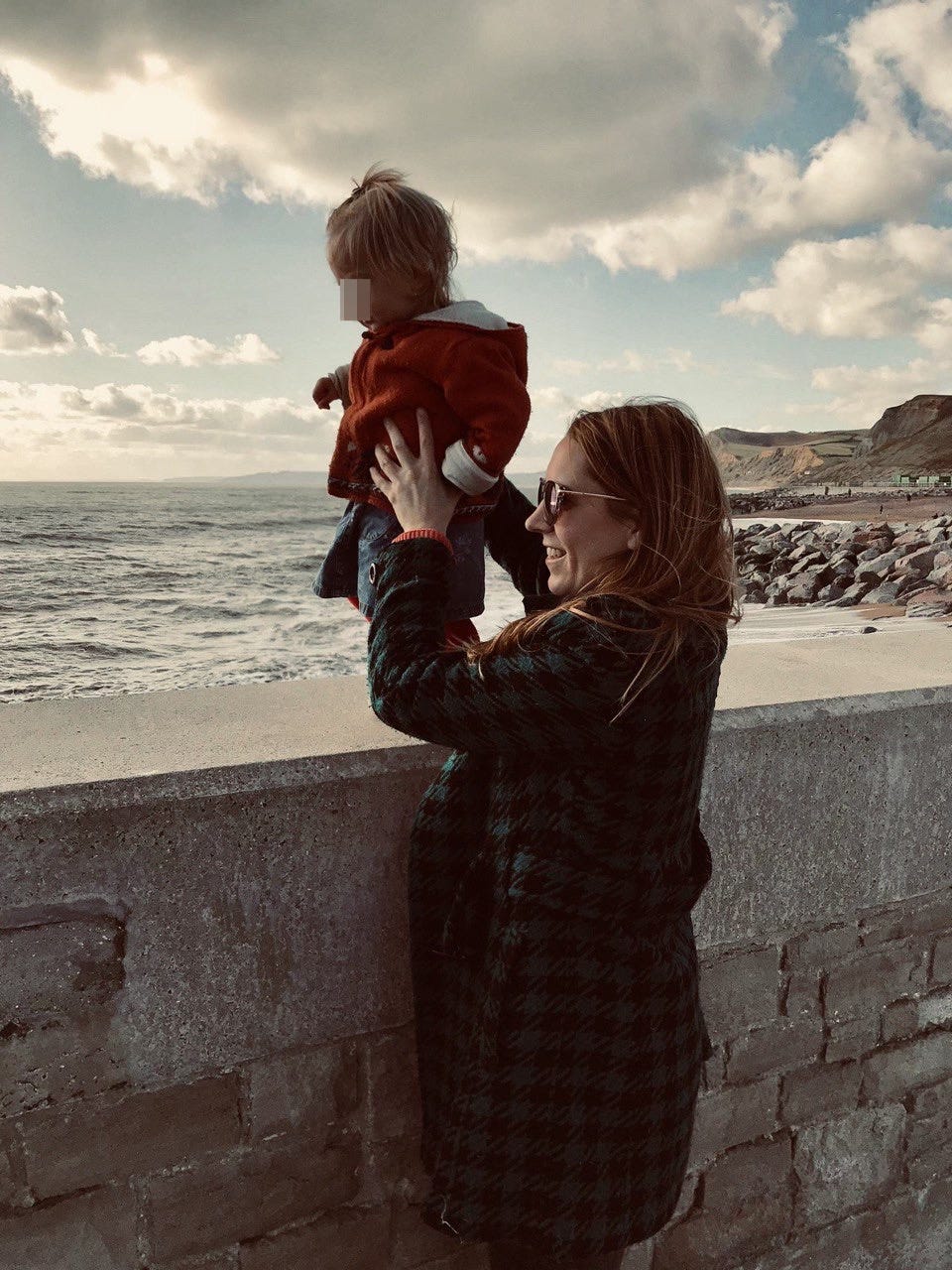
And that, I think, is where true emotional intelligence begins — in presence, in patience, and in learning how to begin again.
If this resonated, you might pause and notice:
Where do emotional patterns repeat in your family — the moments that seem to spiral before you can quite catch them?
Subscribe below to receive future essays exploring what we see, what we miss, and what becomes possible when we look again at children and childhood.