


Welcome back to Home Ed Hacks — the little monthly roundup of things we’ve explored, noticed, or quietly shifted in our rhythm that made learning feel natural and more connected.
These aren’t “activities” in the traditional sense. They’re more like themes or micro-adjustments that open something up: curiosity, confidence, a new skill, or a calmer household. And as always, they are things you can try today without printing, prepping, or performing.
Here’s what’s been working for us this month.
Gem 💎
1. Learning About Children Around the World
We’ve been watching Kids in Other Countries videos lately, and it’s reminded me how powerful cultural exploration is for young children. Before they settle into one worldview, it broadens their sense of “people-ness” — how humans live, love, problem-solve and play in so many different ways.

My daughter lights up with this kind of material. You can see that shift into steady, focused attention that only comes when something feels meaningful. She smiles, leans in, and fires off more comments and questions than I can keep up with.
A few reflective questions we’ve been using afterwards:
What surprised you?
What looked familiar?
What felt the same about your life and theirs?
What makes a good home anywhere in the world?
How do you think where they live shapes their days?
Resources:
Short videos: kiocs.org
Book we found in a charity shop: Children Just Like Me
2. Immersing in Role Play
We visited a new role play village recently, and it was such a calming antidote to the usual frenetic soft play. Developmentally, dramatic play is one of the richest foundations for language, storytelling, and social understanding — especially between 3–8.
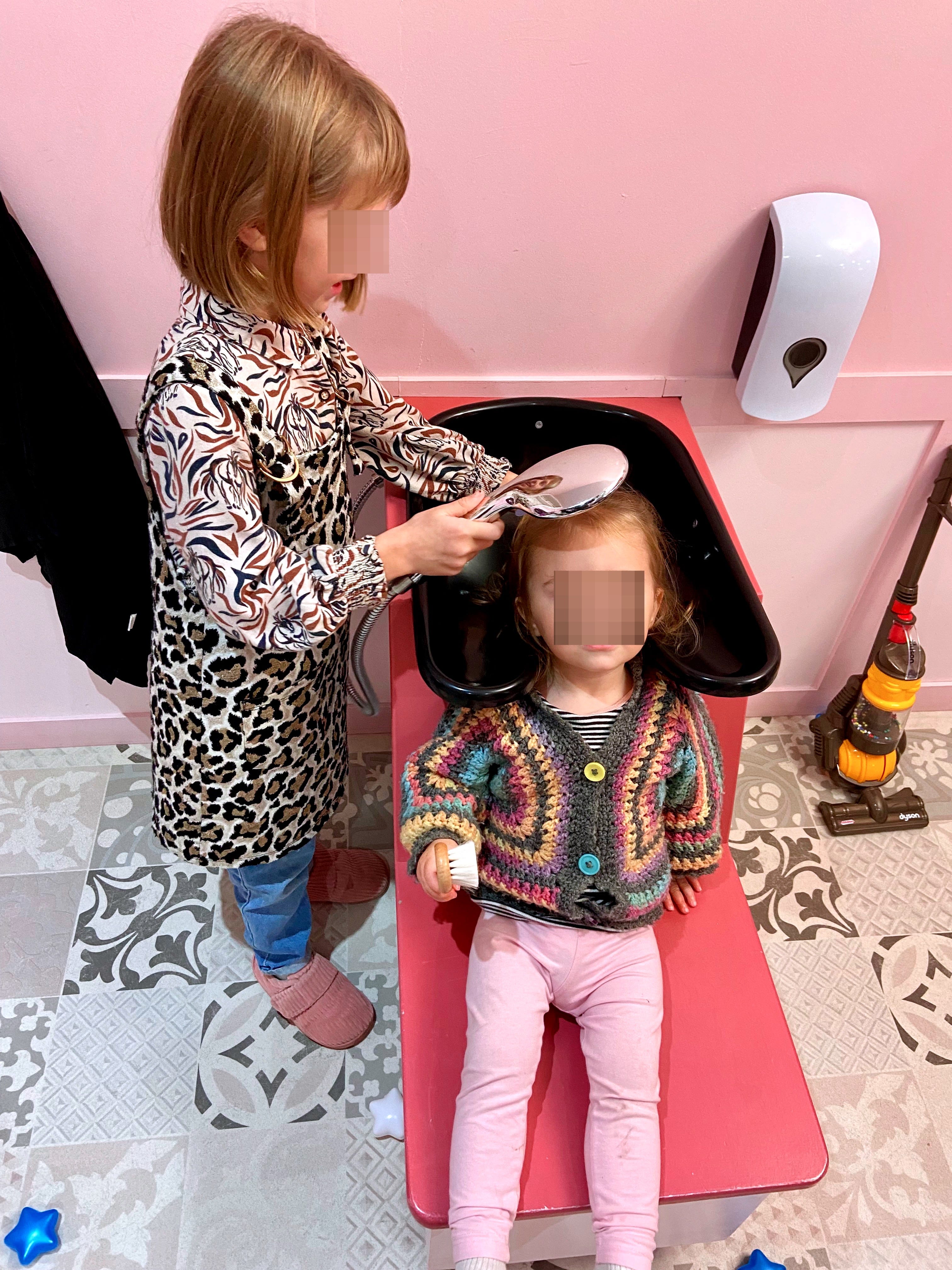
What I love is watching how differently my two enter into it:
P (7) slips straight into full imaginative immersion. Any object becomes anything. One tiny prompt from me (“You’re the vet today…”) and she’s off, creating a whole internal world.
D (nearly 2) is still in the mechanical phase — loading baskets, covering dolls with blankets, stacking, opening/closing. Equally valid, equally lovely.
A few simple, no-prep role-play set-ups we’ve used at home:
Vet clinic: soft toys + old medicine pots + fabric strips for bandages
Toy laundry: warm soapy water, rinse bowl, mini washing line
Library: alphabetical shelves, numbered stickers, “stamp in/out” cards
Doctors kit: tubing, screw-lid containers, playdough tools
3. Sewing + Handcrafting With Granny
Handcrafts are one of the quietest (and most underestimated) ways to support fine motor strength, sequencing, patience, and emotional regulation.
This month my daughter has been sewing clothes and accessories for her doll — measuring, cutting, hand-stitching, and now bravely venturing onto the sewing machine. She beams with pride every time she finishes something. It plays directly to her strengths: tactile learning, working with materials, making something real.
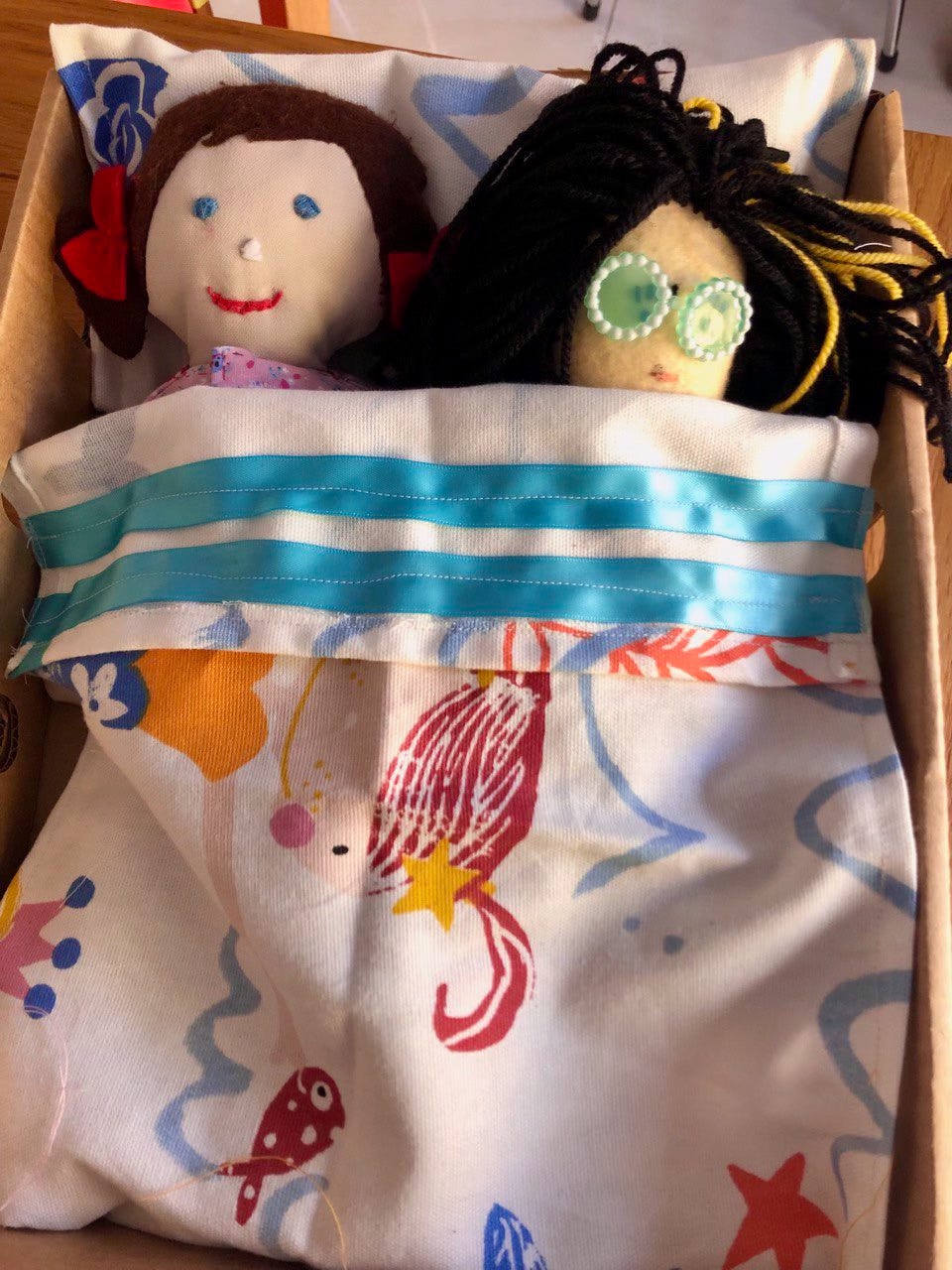
If you’re like me and didn’t inherit these skills (probably because there was no time amongst the school schedule!)… find someone who loves them. A grandparent, a neighbour, a retired person who’d enjoy sharing their craft with a home-ed child. Coffee mornings and community spaces are surprisingly good places to make these valuable intergenerational connections.
4. Making Spelling Tests Actually Fun
I’m convinced the real trick to literacy is keeping the nervous system open — especially for right-brained kids who learn through emotional engagement and imagery.
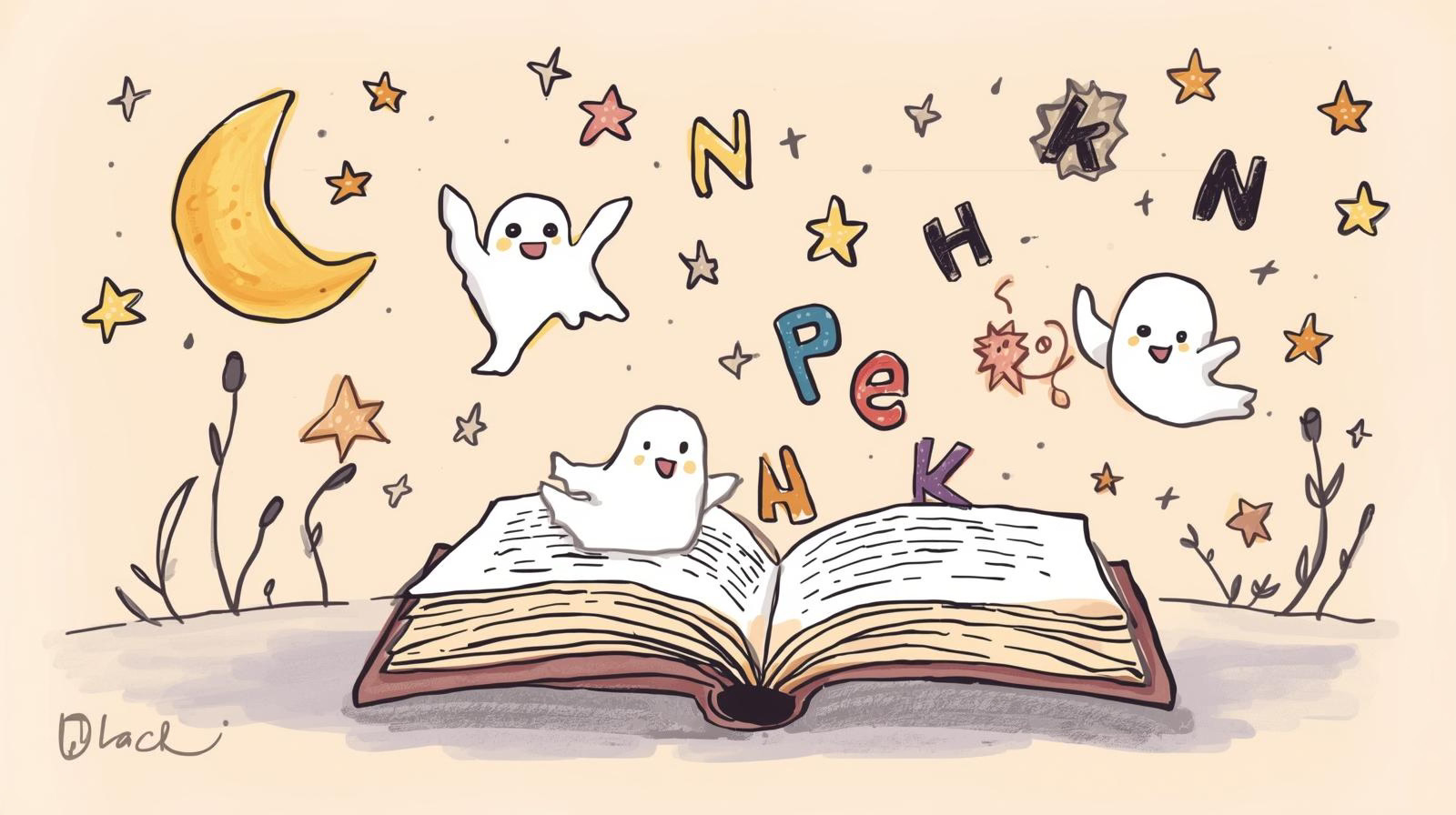
Our “spelling tests” are essentially comedy sketches. I choose five themed words and five little grammatical ones, then put each into an over-the-top sentence when I read it aloud.
The Halloween list had my daughter howling. For “they,” I went full spooky voice:
“The children went trick-or-treating. They… were horrified when the grumpy lady next door handed out dried bugs instead of sweets!”
Tiny hack:
Let your child choose the theme. Pokémon, volcanoes, fairies, vehicles — it changes everything.
5. Exploring Healthy Diets Together
Children who co-investigate food choices develop far stronger intrinsic regulation than children who feel policed or micromanaged. This has been a big theme for us this month.
With the seasonal change, my daughter’s sinuses have filled, which has temporarily dipped her hearing again. She’s also been waking at night with painful growing pains. After doing some research, I talked her through a gentle holistic plan, showed her a couple of videos, and let her ask anything she wanted.
Her main question:
“Why does my hearing go up and down?”
We explored how mucus affects the sinuses and eustachian tube, which temporarily changes hearing — and why warm lemon water can help: the acidity thins mucus, and warm fluids support drainage.

Small shifts she’s chosen to try (in addition to tools we already use as recommended by her health professionals):
Warm water with lemon and honey in the mornings
Bone broth added into meals
A morning body check-in (“Is today an achey-legs day?”) so she can pace herself
It’s strengthening her sense of agency, which is always the real goal underneath any lifestyle change.
Closing
That’s our round-up for this month — simple things, chosen more by noticing than by planning, which deepened our learning rhythm.
Until next time,
Gem 💎
Subscribe below to receive future essays exploring what we see, what we miss, and what becomes possible when we look again at children and childhood.
Great stuff 💎! Your creativity is awe inspiring.
Thanks Gem, these are gold. I love the idea of spelling tests as comedy sketches. I am going to start trying that at home, but am slightly worried for my kids and yet more dad jokes! 🤣