


Welcome to the second in my series Home Ed Hacks: The Natural Learning Path in Practice — a quick snapshot of little things we’ve been exploring over the past month in our family’s life-learning.
I know I always love hearing what other home-educating or conscious families are up to — it sparks ideas and inspires new twists in our own journey. I hope this series does the same for you, and I’d love to hear your ideas too.
Gem 💎
1. Learning with Teach Your Monster
At 7½, we’re just beginning to gently use tech for some more structured learning with our older daughter. Until now, I’d been reluctant — I didn’t want to interfere too much with her developing brain through excessive screen time or dopamine-hit-style clicking (if you know what I mean).
Lately, though, I’ve felt she’s ready for a bit more, and I also don’t want to keep her at a disadvantage in an increasingly digital world. So, she now has a regular weekly slot to play the Teach Your Monster series of educational games — which, brilliantly, are free on computer (though the apps for phones and tablets are paid).
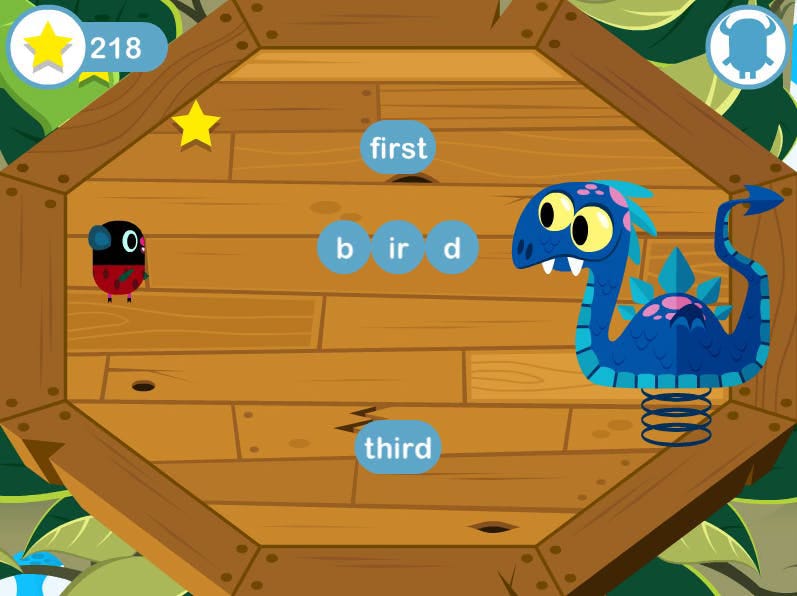
The company, founded by Usborne Books’ creators, describes their games as “beautifully crafted stories, compelling characters, and engaging gameplay” and I’d agree! P absolutely loves the Reading for Pleasure book quest game, which features real books she can click through, with read-aloud scripts that gently draw her attention to the text — perfect for my fully right-brained daughter, whose focus is usually on the pictures!
She also enjoys the Adventurous Eating game, which seems to have helped her feel a little braver about trying new foods (she’s quite selective with her diet). Then there are the phonics-style reading games and the early maths ones — she’s less lit up by these but will happily spend a few minutes on each within her overall computer time.
I’d highly recommend these games for your little monsters too.
2. Playing the Number Plate Game
I thought I’d share a childhood favourite that’s just been revived for P — it’s perfect for her current literacy stage and sense of humour!
I’m not sure if my brother and I invented it or not (let me know in the comments if you played something similar), but I remember it as a fun way we passed the time on long car journeys.
You simply look at passing cars, note the last three letters of the number plate, and invent a funny phrase using words that start with each of those letters. Here are a few real examples from a recent car ride that had us laughing out loud:
ULH – Umbrellas Love Hugs (we talked about our poor lonely umbrellas waiting to be held again!).
EOV – Ellie Often Vapes (my daughter’s creation — extra funny because Ellie is her 8-year-old friend from Taekwondo!).
DES – Dad Eats Screws (obviously — what else would he be doing all that time in his workshop?).

It’s great fun for the whole family and brilliant for language development. The three-word structure gives a natural grammar challenge — we even had a chat about why Monkeys Eat Violins made more sense than Monkey Eats Violins without “the.”
Try it on your next family car trip!
3. Diving into Blue World
I mentioned recently that P has become fascinated by scuba diving. We often go through deep phases of exploration before moving on — if that resonates, you might also have a Manifesting Generator at home!
I love these periods because they allow for truly child-led learning: I can support her curiosity and mine it for all the learning gold before the spark fades.
So, alongside our library trips (where we found two great diving books, including one about our local coastline), and researching what age she can start diving — 8 for tasters, 12 for full courses, it seems — we discovered Jonathan Bird’s Blue World channel on YouTube.
It’s fantastic. Bird and his team share diving adventures all over the world — shipwrecks, coral reefs, caves, and cenotes (P had to teach me that word!). Recently, we watched an episode about NASA’s underwater training centre, where astronauts practise missions in zero gravity.
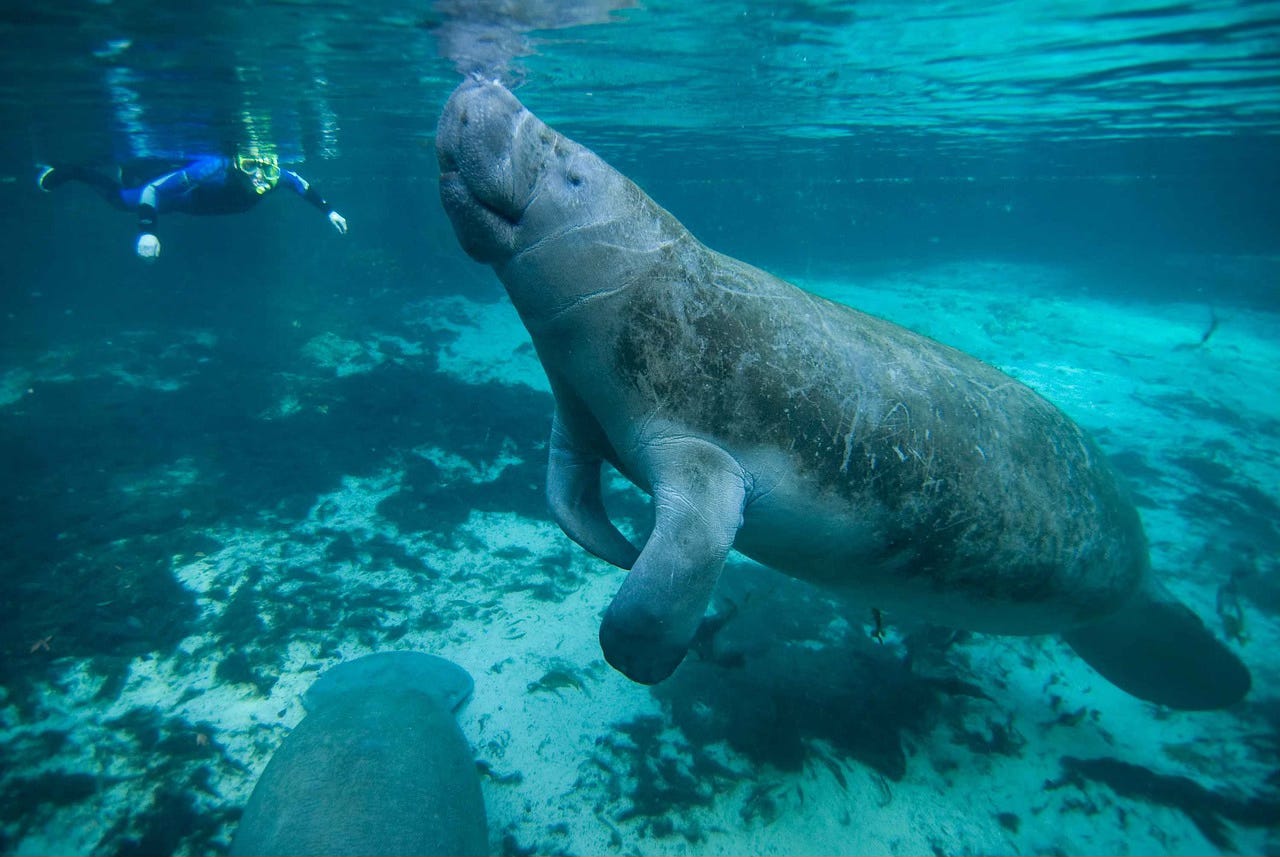
These videos have sparked all sorts of tangents: the Bermuda Triangle, Pearl Harbor, Mayan civilisation, and science concepts like buoyancy, breathing gases, and water pressure. And if your child loves marine life, the channel’s footage of whales, sharks, manatees, rays, octopuses and many more creatures is incredible.
Highly recommend checking it out!
4. Hosting a Self-Care Pamper Party
P recently went to a “spa” birthday party — held in a local beautician’s cabin — and it was such a lovely idea. A small group of 5–7-year-olds enjoyed foot spas, face masks, painted nails, and curled hair.
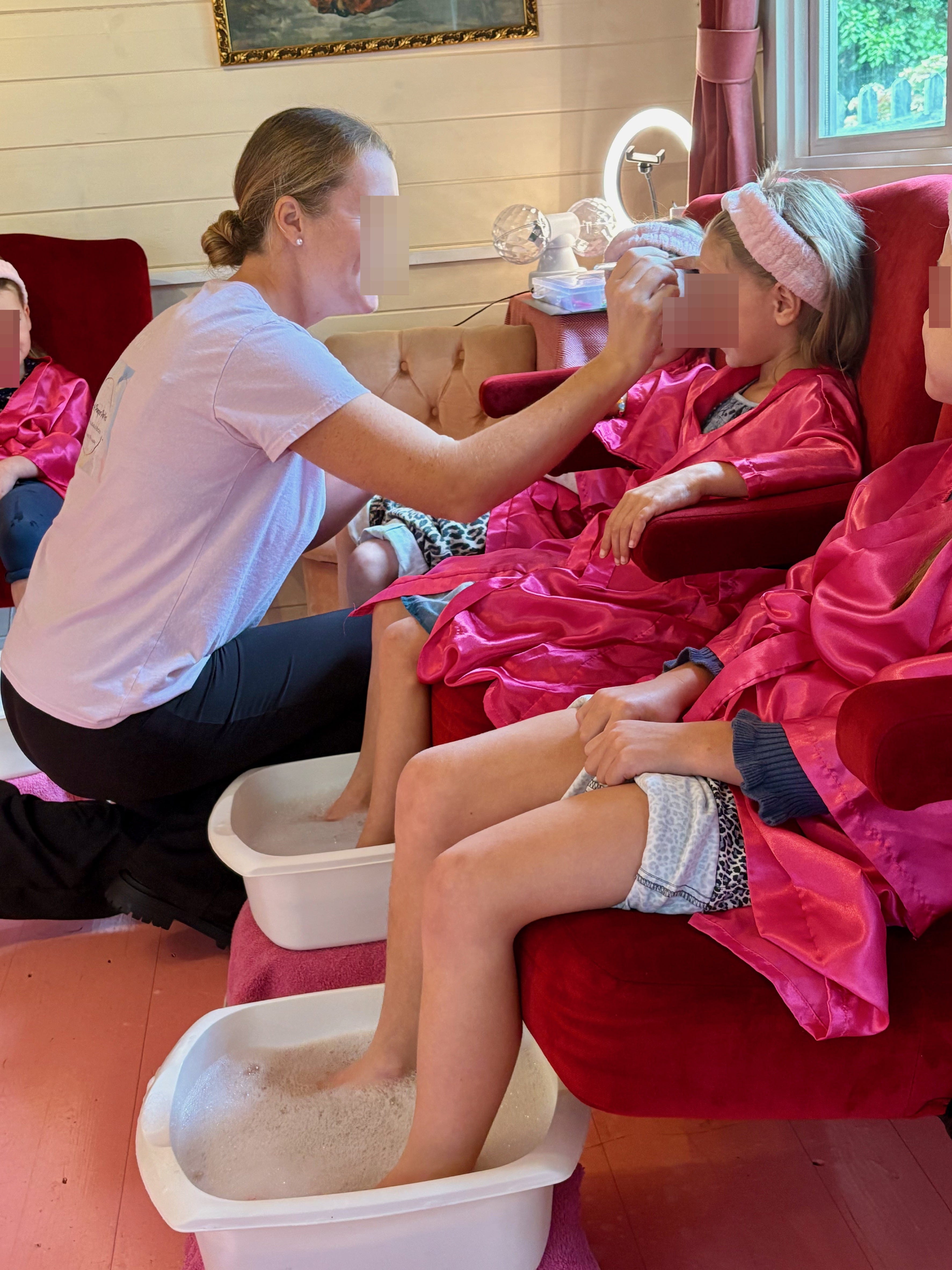
It struck me not just as a fun experience, but also as an introduction to the concept of self-care. Since then, we’ve talked more about this at home. She’s started taking better care of her nails, and we’ve had little “at-home spa” moments together, relaxing with face masks or warm flannels.
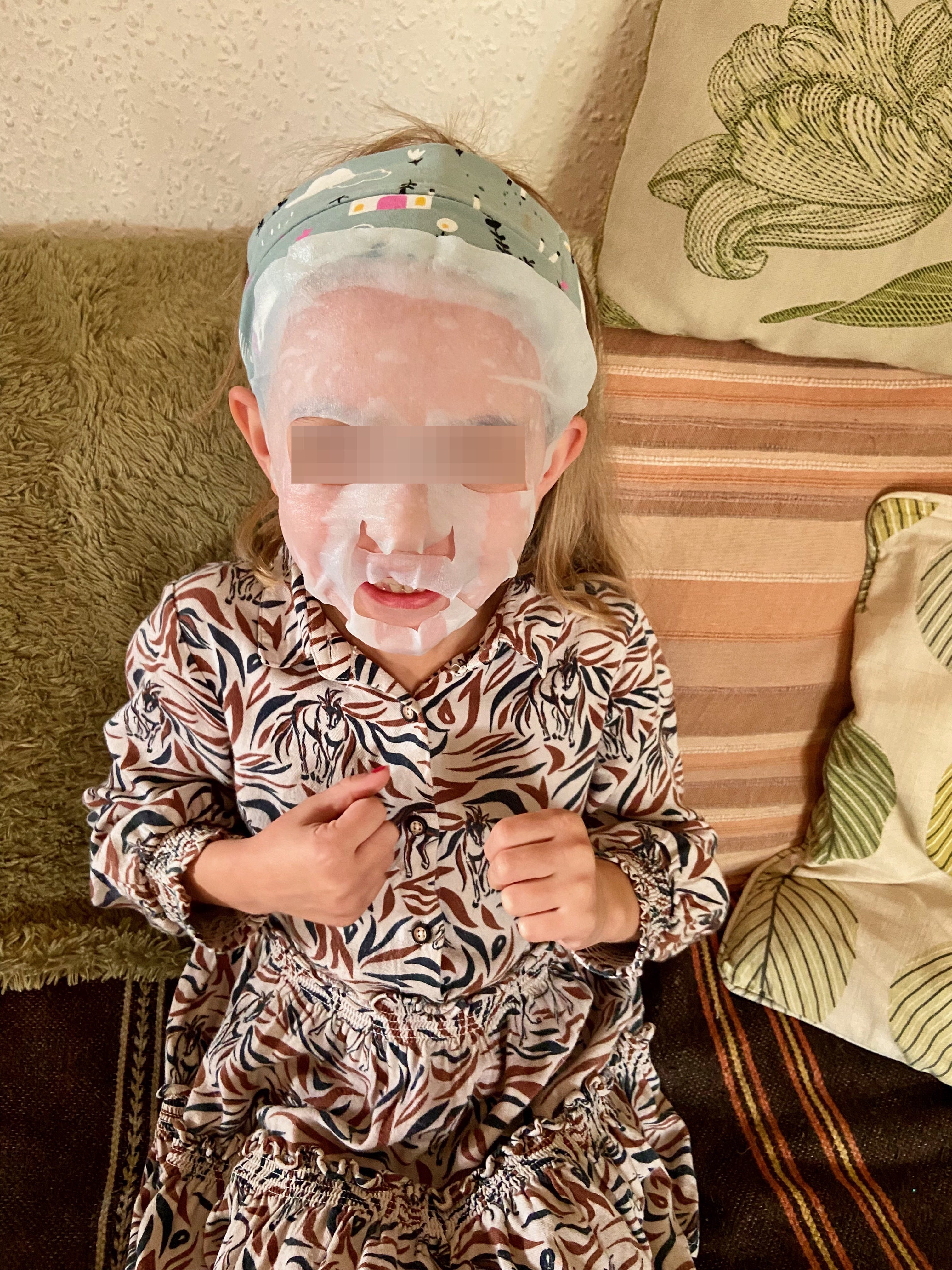
During one of these, I shared how it can be hard for me to find time to relax — but how important it is to rest and do things that help me feel grounded, like walking, reading or yoga. It was interesting to see her take that in as a new idea.
As a mostly full-time home-educating parent, self-care can so easily slip down the list. But it’s essential — not just for us, but for what we’re modelling to our children. When they see us rest, they learn that rest matters.
5. Exploring Story-Based Non-Fiction
As I’ve written before, P is right-brained in her cognition and has a deep reverence for stories (as reflected in her Channel of the Prodigal). I’ve realised she engages far more readily with non-fiction when it’s presented through story.
I’ll be exploring this more over the coming weeks and months, as I think it’s an exciting area with lots of potential for resources and support — but for now, here are some story-based non-fiction books we’ve enjoyed or plan to follow up on:
The 24 Hours In… series (Usborne) — including 24 Hours in the Jungle, Antarctica, Zoo, Stone Age, Space etc.
A Day with the Vikings (Avery Everywhere series) by Jacopo Olivieri & Clarissa Corradin.
A Day in the Middle Ages (Avery Everywhere).
Terrible True Tales series by Terry Deary.
One World: 24 Hours on Planet Earth by Nicola Davies & Jenni Desmond.
Locomotive by Brian Floca.
That’s our five for now. I’d love to hear if you try any of these or put your own spin on them — reply to this email or leave a comment below.
Keep an eye out for next month’s Home Ed Hacks as part of The Natural Learning Path in Practice, with fresh ideas and reflections from our everyday life-learning journey.
Until next time,
Gem 💎
My daughter loves Jonathan’s blue world! Thank you for writing about this. We didn’t know about it, now we do! Thank you!