


Welcome to the first in a new series I’m calling Home Ed Hacks: The Natural Learning Path in Practice — a quick snapshot of the little things we’ve been exploring recently in our family’s life-learning.
I know I always love hearing what other home-educating or conscious families are up to — it sparks ideas and inspires new twists in our own journey. I hope this series does the same for you, and I’d love to hear your ideas too.
Gem 💎
1. Deep Diving Danny Go!
If you haven’t come across Danny Go! yet, you’re about to both love and hate me.
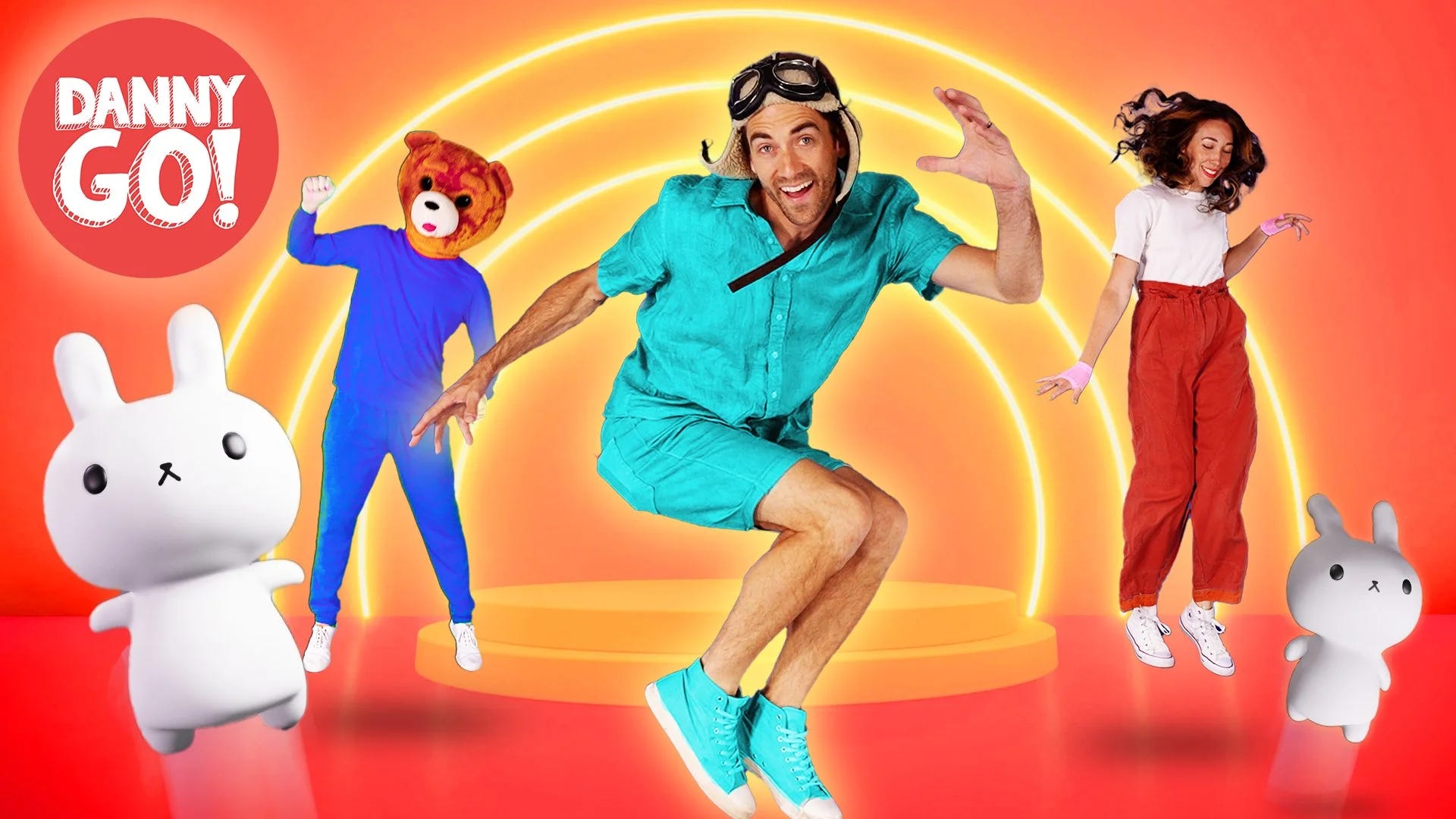
It’s a live-action kids’ show full of music, movement, and silliness (created by three childhood friends in North Carolina). My preschooler has been working on her imitation skills by copying the actions, and my 7-year-old just loves to sing, dance and get into the stories. We’ve added this one to our morning routine as a fun way to get moving.
We’ve dabbled in Cosmic Kids Yoga (I used to be a yoga teacher), but honestly my kids engage far more with the upbeat Danny Go! songs. And the plus side? You can listen on Spotify if you’d rather limit screen time.
One of my favourites is their episode on the 5 Love Languages (yes, Gary Chapman!). It’s such a great way to add a little emotional literacy into your day.
And honestly, as kids’ music goes — I’ve heard far worse. Some of it even takes me back to my clubbing days (see: The Wiggle Dance). But don’t blame me when you find yourself humming it at 3am…
2. Using ChatGPT to Create Group Learning Games
Our local Home Ed Co-op has been growing fast, and this term we’re linking sessions to seasonal themes. This week’s is on animal dens and habitats (fitting, since our building will have no electricity — perfect excuse for torches and blanket forts!).
To plan, I asked ChatGPT for ideas. One suggestion was a simple matching game: children listen to a description of an animal and run to stand by the stuffed toy that matches. Perfect for mixed ages, and easy to adapt with flashcards for a big reveal at the end.
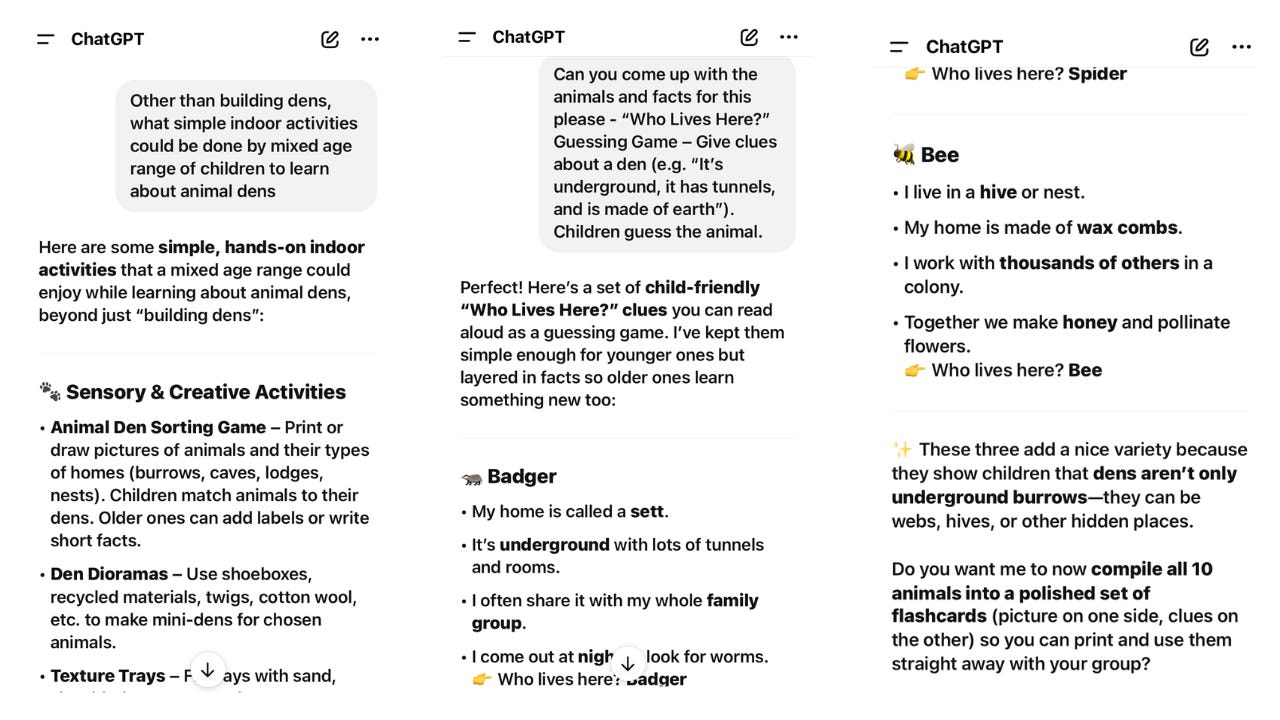
I love using ChatGPT this way — it gives me a list, and then I can tweak it for the kids I know. It’s like having a brainstorming partner on tap.
3. Refreshing our Car Book Basket
Since realising my eldest is a right-brained, receptive learner, I’ve been more intentional about giving her rich resources to absorb in her own way. One of the best strategies? A rotating basket of books in the car.
We live rurally, so we’re often driving 20–40 minutes to activities. The basket sits between the girls’ car seats and gets refreshed with every library trip. I mix in fiction, non-fiction, early readers, and lots of illustrated books. Pure picture books are especially brilliant — they spark imagination, storytelling, and oral narrative skills.
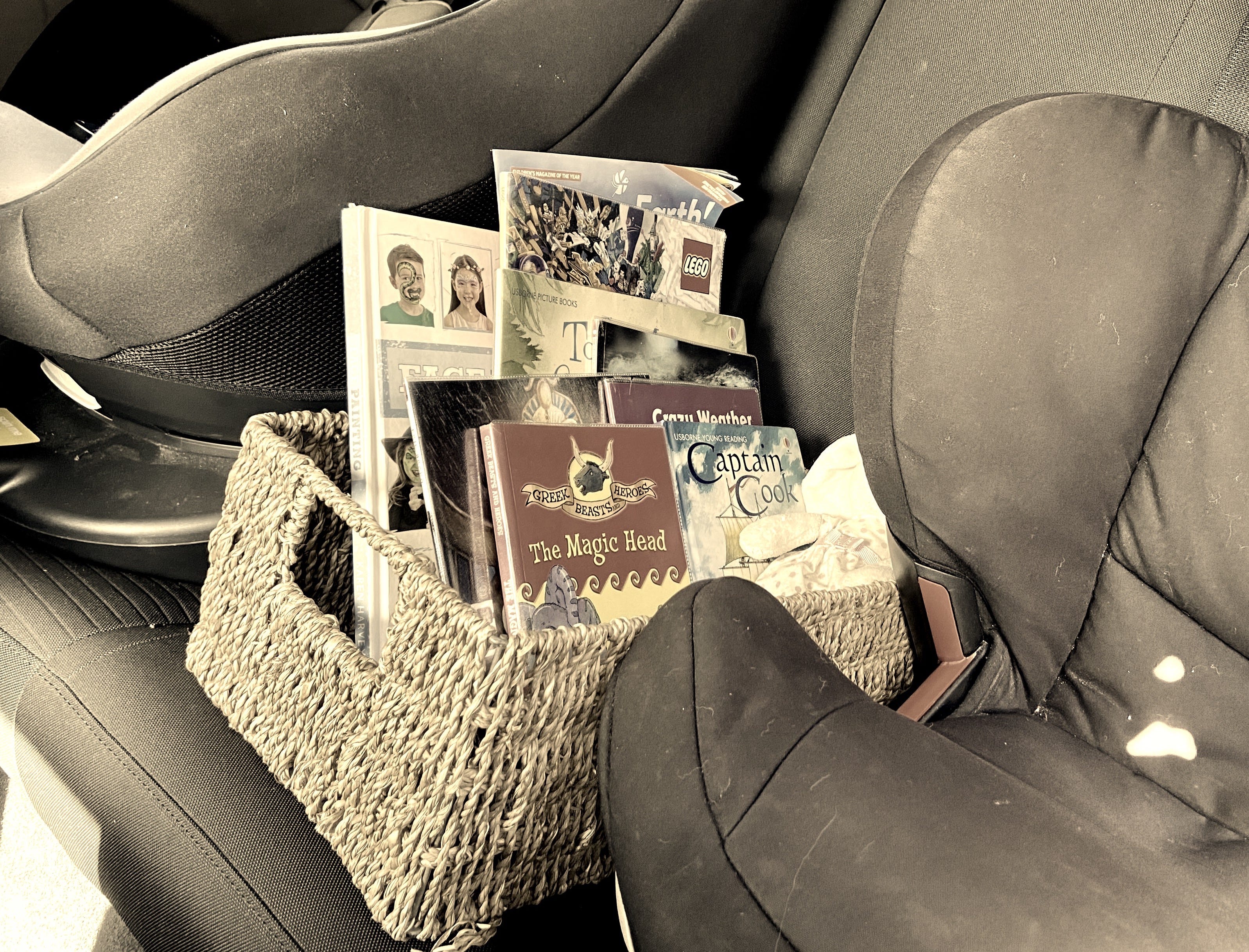
Interestingly, this works far better than leaving books lying around at home. Something about the car space means she actually dips in, looks, wonders, and asks questions later. A small change with a big impact.
4. Linking History with Science through Food Prep
P is deep into a Stone Age phase right now. We’ve done cave art, flint-knapping, Cheddar Gorge, Stone Age fiction, even face-painting.
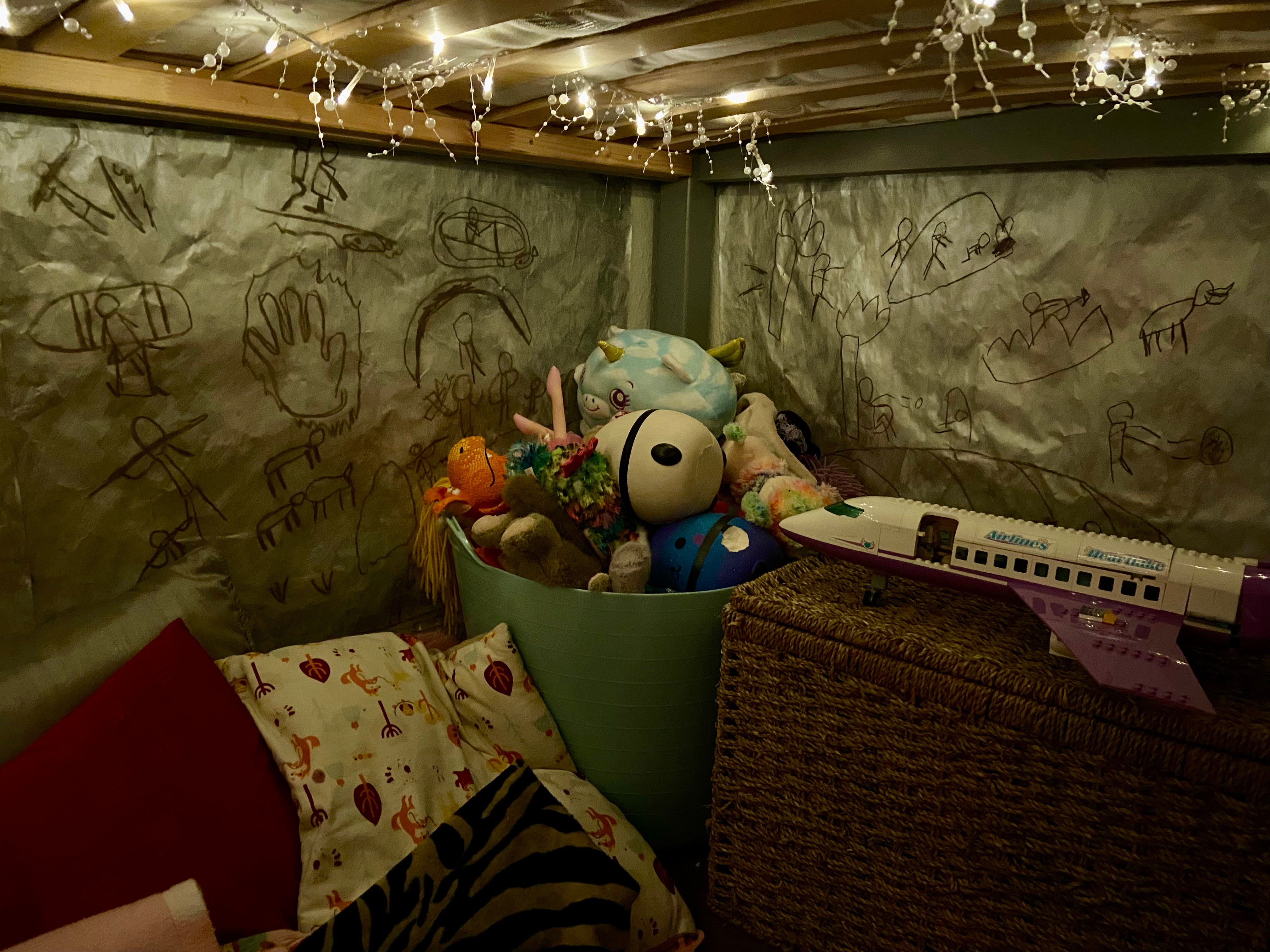
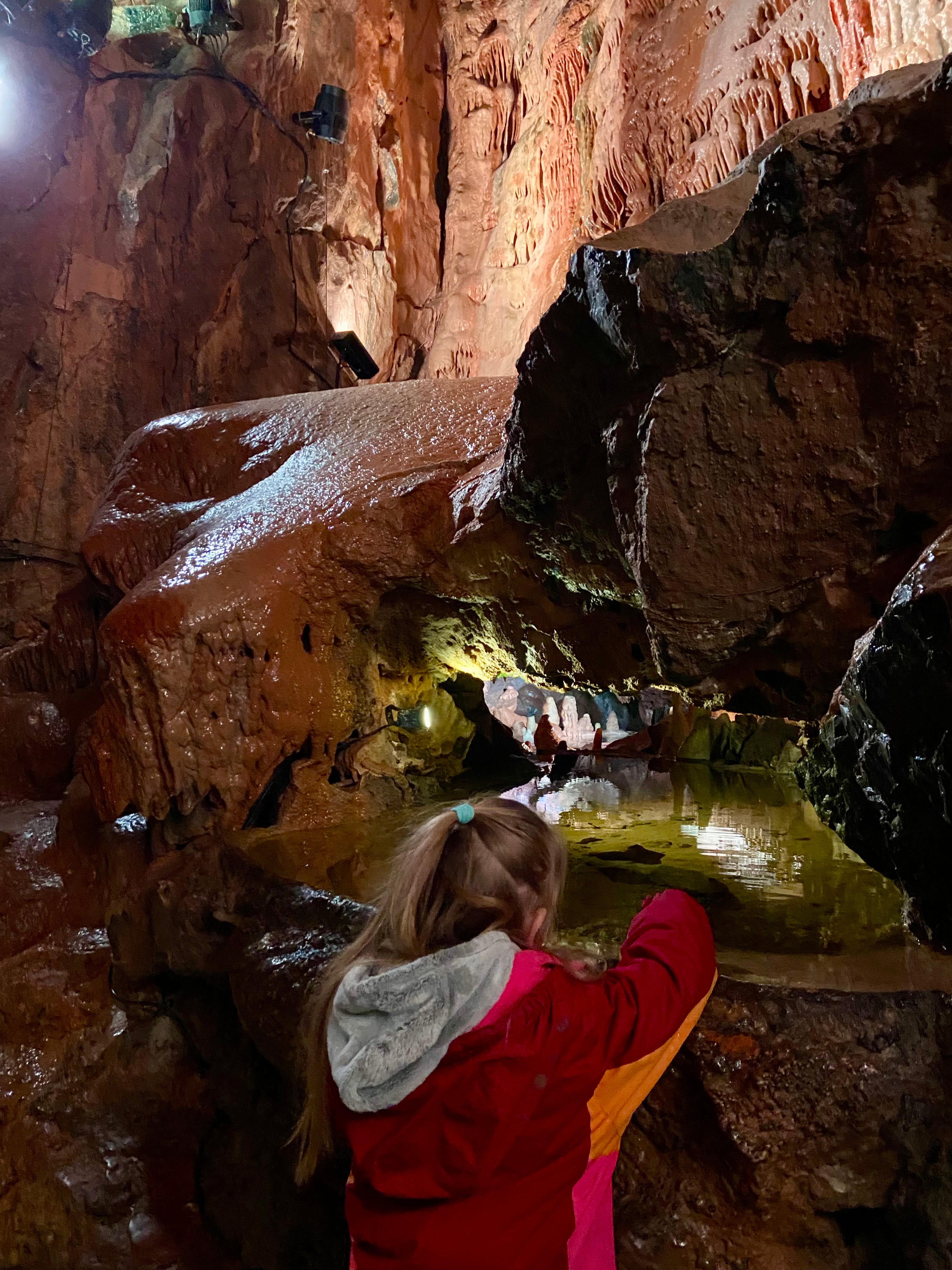
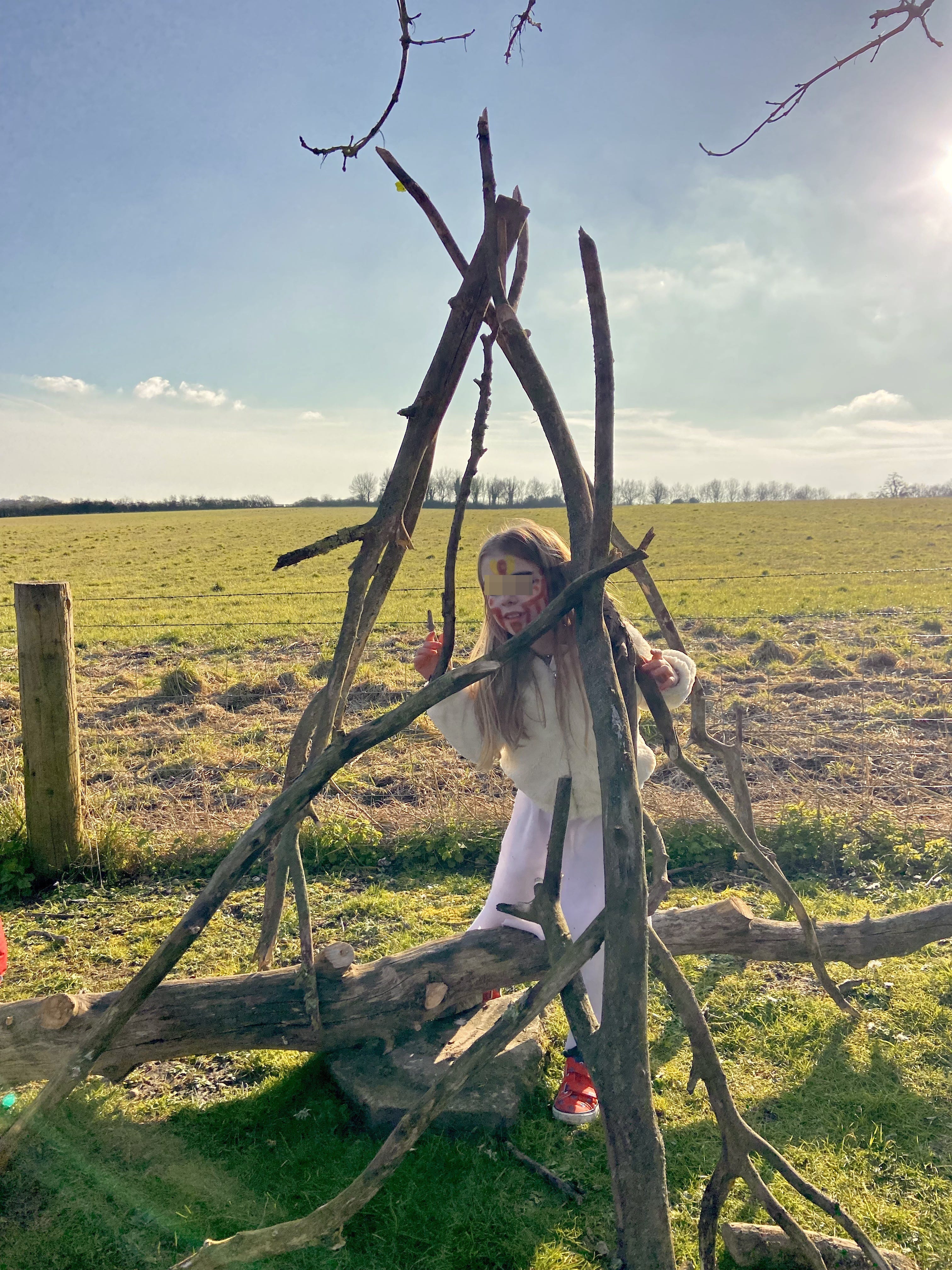
But this week it spilled into everyday life in a brilliant way.
One evening I was making a beef stew, and she suddenly asked: “Would they have eaten this in the Stone Age?” Cue a cascade of questions:
Would they have cooked in oil or animal fat?
Would they have had carrots, onions, potatoes?
Did they have gravy granules to add to their stock?
As we chopped and stirred together, we explored history, science, health, and food culture — all while making dinner. It provided a natural opportunity for me to gently bring in my recent research on ultra-processed foods, which made for a surprisingly relevant comparison between traditional and modern meals.
This is what I love about home ed: real learning embedded in everyday life, sparked by genuine curiosity.
5. Thinking about Energy (Not the Physics Kind)
Human Design has long been helping me notice my daughter’s energy patterns and rhythms. She’s a Manifesting Generator — high energy, multi-passionate, quick to pivot, sometimes skipping steps. It describes her perfectly.
Each Type has different energy patterns:
Manifestors: independent, resist control
Generators: deep joy when engaged, risk burnout
Projectors: need downtime, can’t sustain constant doing
Reflectors: highly sensitive, need time to process
But recently, a real shift came in noticing her daily energy rhythm. Using my new profiling tool (which I’ll soon be making available for others), I realised she consistently crashes mid-morning and late afternoon. Suddenly, those meltdowns made sense. Instead of pushing through, I now lean into snacks, cuddles, or downtime.
It’s such a small adjustment, but it makes everything flow more easily. And to me, that’s the heart of natural learning: aligning with our kids’ rhythms instead of fighting against them.
That’s our five for now. I’d love to hear if you try any of these or put your own spin on them — reply to this email or leave a comment below.
Until next time,
Gem 💎
Subscribe below to receive future essays exploring what we see, what we miss, and what becomes possible when we look again at children and childhood.