


What if the next evolution in education isn’t about being child-led or adult-led, but child-aligned?
Over the years, I’ve worked closely with children — professionally and personally — supporting them in areas where they struggle. Whether in therapy sessions or around the kitchen table, the focus has often been on helping them “catch up,” develop skills, or improve in areas where they’re not meeting expected milestones. But something’s always been missing in that picture:
Where is the space for their gifts?
What if instead of just remediating weaknesses, we deeply nourished their natural strengths?
As both a parent and a professional, I’ve found myself asking these questions more and more. And when the mainstream system — and even the special education system — couldn’t answer them in a way that felt whole, I started looking elsewhere. That journey led me to a radically different approach: one rooted in deep individualisation.
Unschooling: Resonant, But Not Quite the Whole Story
In the world of home education, the term unschooling has gained real momentum. And in many ways, I resonate with it deeply. It’s about following the child’s lead. Dismantling rigid systems. Letting go of academic pressure. It encourages play, exploration, and treating life itself as the learning ground.
These are my people — the ones who live fully with their children, who don’t separate learning from living.
But I’ve always had an uneasy relationship with labels. We seem to live in a time of extreme categorisation — where we’re constantly sorting ourselves into camps, tribes, and ideologies. And while labels can offer clarity and community, they can also create unnecessary divisions.
Even the label unschooling carries its own limits. It defines itself in relation to school — as a kind of rejection or reversal of it. That makes sense for families coming out of school. They go through a necessary decompression: de-schooling the nervous system, rediscovering joy, reclaiming autonomy. For those children, unschooling is often a natural next step.
But what about families like mine, whose children have never set foot in school?
We’re not “un”-schooling. We’re simply living and learning without its influence. Our children don’t need to recover from school and we don’t need to oppose it in all that we do — they’re simply being raised outside of it altogether. And so even the word “education” sometimes feels off. Too much history. Too much baggage.
I believe we’re in a transitional moment — a stepping stone between what was (school or unschooling) and what could be. We’re building something new.
The Missing Piece: True Individualisation
The new paradigm, I believe, starts with individualisation — not ideology.
It’s not about being child-led or adult-led. It’s about being child-aligned.
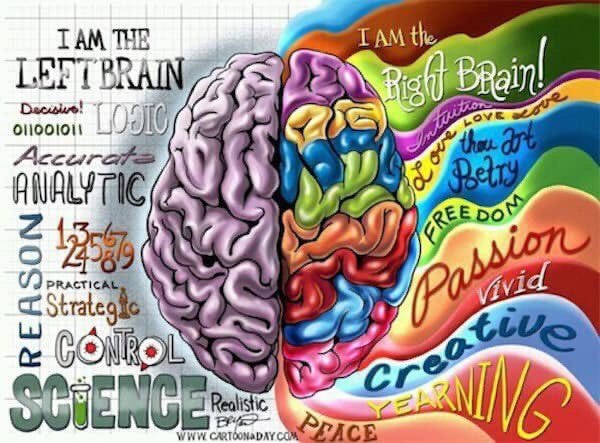
Take my eldest daughter. She’s a creative force — intuitive, imaginative, right-brained. She absorbs the world in waves, not lines. Unstructured time fuels her. She flows from one idea to the next, guided by her own rhythm. When I try to insert structure or direction, she resists deeply—not just with words, but in her whole being. It’s like a mismatch on a soul level.
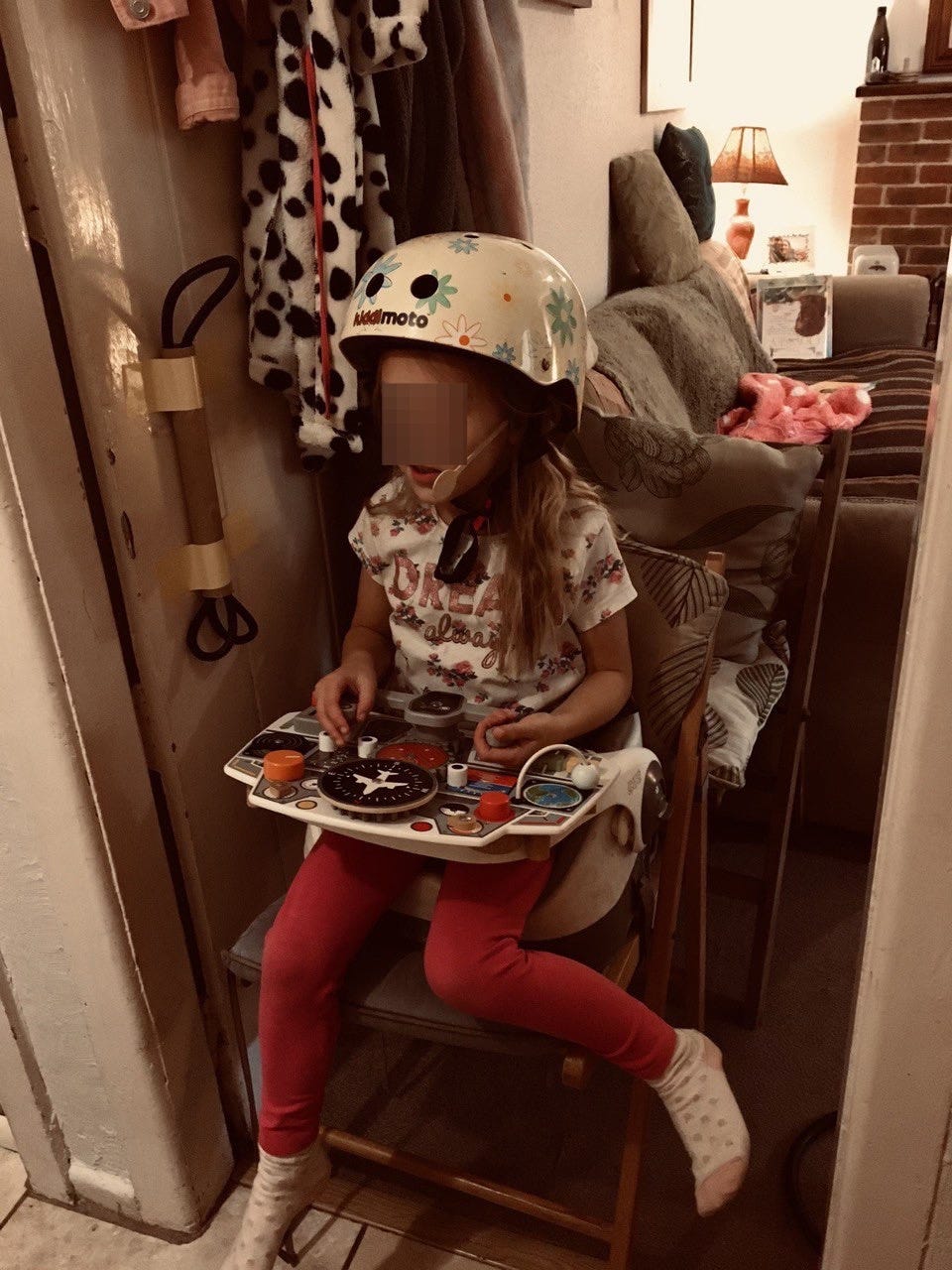
In contrast, I’ve worked with and observed many children who genuinely thrive on structure. They love ticking boxes, completing tasks, following a clear sequence. Certain children don’t do well in long stretches of free time and feel more secure with external direction. Some parents I’ve spoken to have shared how their child struggles when left to their own devices — but comes alive when given a clear task or framework to follow.
One approach doesn’t fit all — and trying to force it leads to burnout, power struggles, or crushed spirits.
This is where Human Design entered the picture for me. Not as a belief system, but as a tool — a lens through which to understand these differences not as problems, but as design features.
Human Design: A Map for the Individual Child
Human Design blends ancient and modern systems to offer a kind of energetic blueprint for each person. It doesn’t ask for belief — just curiosity.
What it offers is a deeper understanding of:
how a child learns,
how their brain processes information,
what kind of environment supports them,
how they respond to direction or autonomy,
and where their natural gifts might lie.
My older daughter, for example, has a fully right-brained design. This aligns with everything I see in her: a non-linear, sensory, creative learner who needs time, space, and trust.
My other daughter is still very young — just 18 months — but her design appears to suggest a more balanced left/right brain orientation. It’s too early to draw conclusions, but it gives me a framework to gently observe how her learning style may emerge. That kind of balanced profile often points to someone who enjoys both logic and creativity, order and spontaneity — a blend of structure and flow.
Knowing this doesn’t mean I lock them into categories. It simply gives me a starting point to observe more clearly and experiment more intentionally.
In Human Design, this is called “living your experiment.” It means trying out what aligns with your child’s design and noticing: does this bring more ease? More resistance? More joy?
What About Labels Like ADHD or Autism?
I’m not against diagnostic labels. In fact, they often serve an important purpose. If your child has a diagnosis — or you suspect they might, or recognise familiar traits — it’s likely because something about the standard system just didn’t fit. These children are already waving the flag: “I need something different.”
Labels can point us toward helpful strategies, tools, and communities. They can open doors (sometimes). But they rarely offer deep, tailored, day-to-day support.
Too often, what we get is generic advice:
“Here’s what tends to work for kids like yours…”
But that’s still broad. Even within a shared label, every child is profoundly different in how they experience the world, learn, and relate. That’s where Human Design offers a more refined lens — one that doesn’t erase acknowledged differences, but helps you get specific.
It doesn’t override or replace existing knowledge or supports — it simply adds dimension.
And perhaps most importantly, it gives you insight into how to support your child as an individual, not just as someone who belongs to a category.
Where Do We Go From Here?
The truth is, mainstream education — whether general or special — can only differentiate so far. Even with the best intentions, it’s not built for full individualisation. It simply can’t be. Not at scale.
But at home — or in small, flexible communities — we can.
Yes, it takes time to learn new tools. It takes effort to understand your child’s design. But in return, you may find:
less resistance in the day,
more harmony in your relationships,
and a child who feels truly seen for who they are, not just what they can do.
We don’t need to throw out every system or label. But we can go beyond them.
Because true education isn’t about fixing or moulding children.
It’s about creating the conditions for them to thrive as themselves.
That’s what individualisation really means. And that’s where I believe the future lies.
If this resonated, I’d love to hear:
Where have you felt the tension between what’s supposed to work — and what your child is actually showing you they need?
Subscribe below to receive future essays exploring what we see, what we miss, and what becomes possible when we look again at children and childhood.