


I’ve never really been one for New Year’s resolutions.
Partly this is temperamental, and partly it’s something I’ve come to understand more clearly since discovering Human Design. As a Manifesting Generator, I’m designed to respond rather than initiate — to move when life presents something to engage with, rather than deciding in advance how things should unfold. At the heart of Human Design and the Gene Keys sits the ancient I Ching wheel, which doesn’t mark its beginning until later in January, when a new developmental cycle is said to begin. Whether or not one takes that literally, I feel it intuitively: a sense of pause, reflection, and attentiveness — but not a strong pull to plan or resolve just yet.
So rather than thinking ahead in a determined way, I’m staying open to what is, and to what may emerge over the coming weeks.
I was originally going to publish a piece today reflecting on school trips — on how just because a destination is labelled “educational,” it doesn’t automatically mean meaningful learning happens there. I’ve postponed that until next week. It felt more fitting to join this collective end-of-year pause, and to write something a little more personal instead.
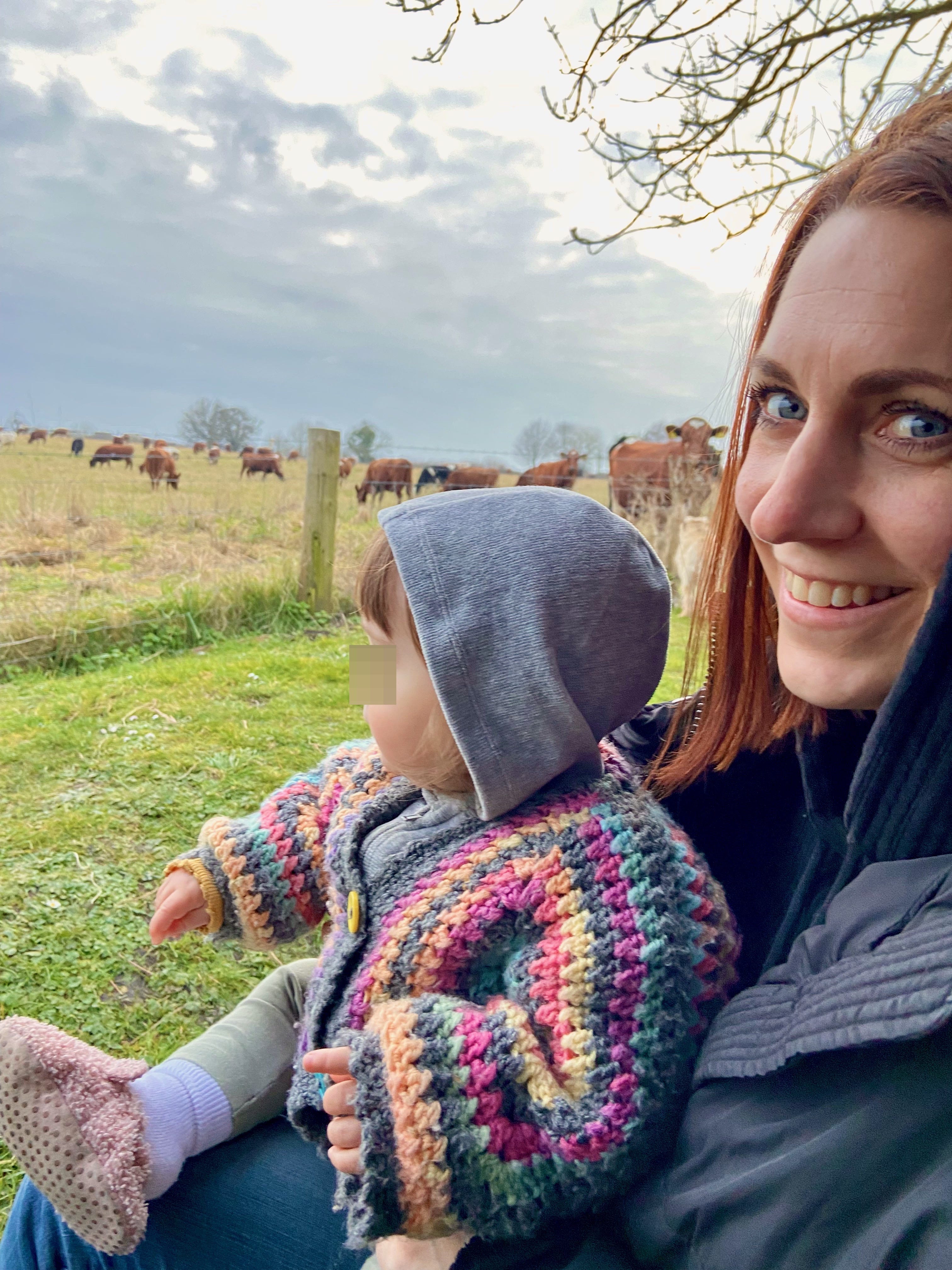
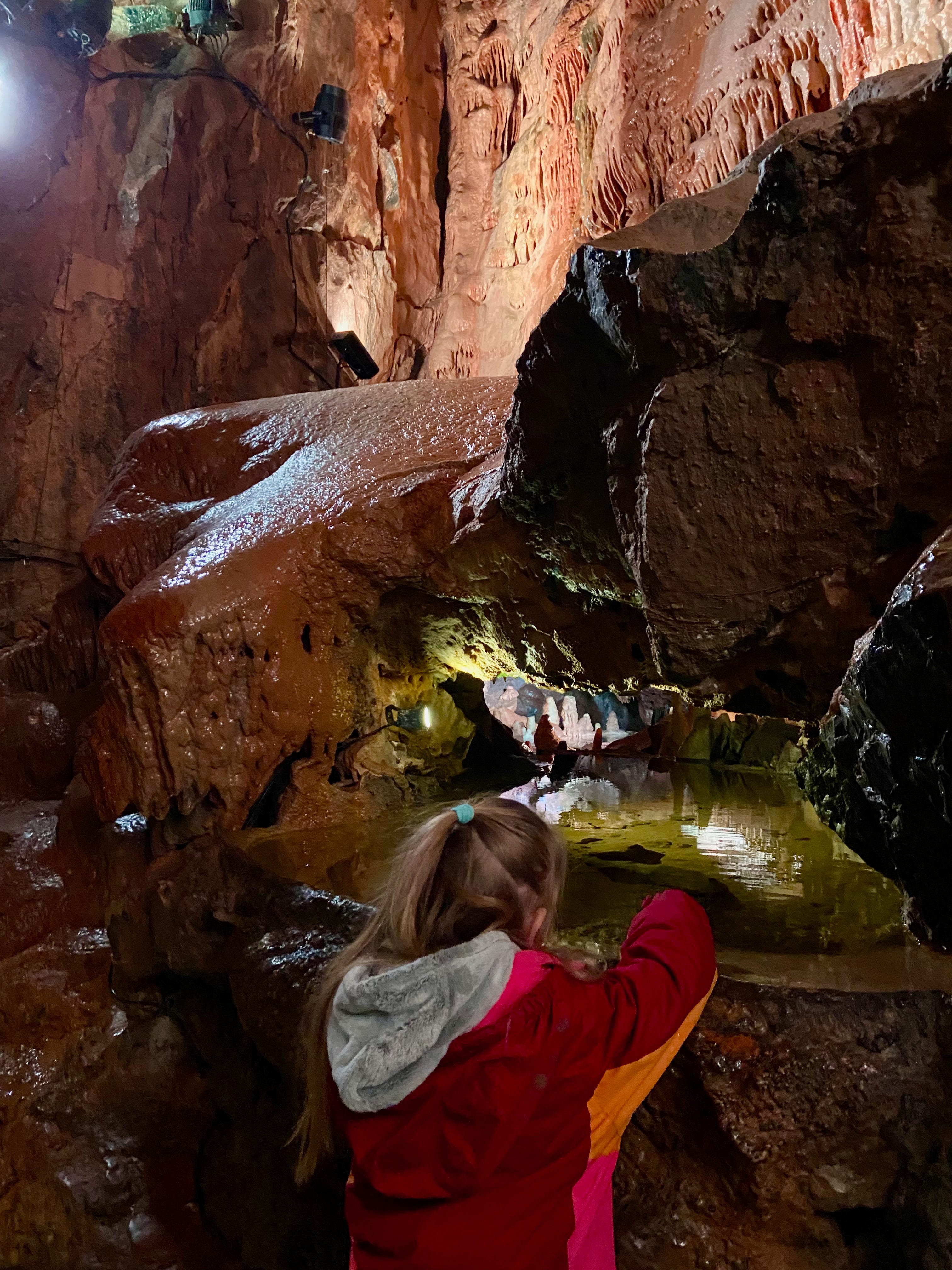
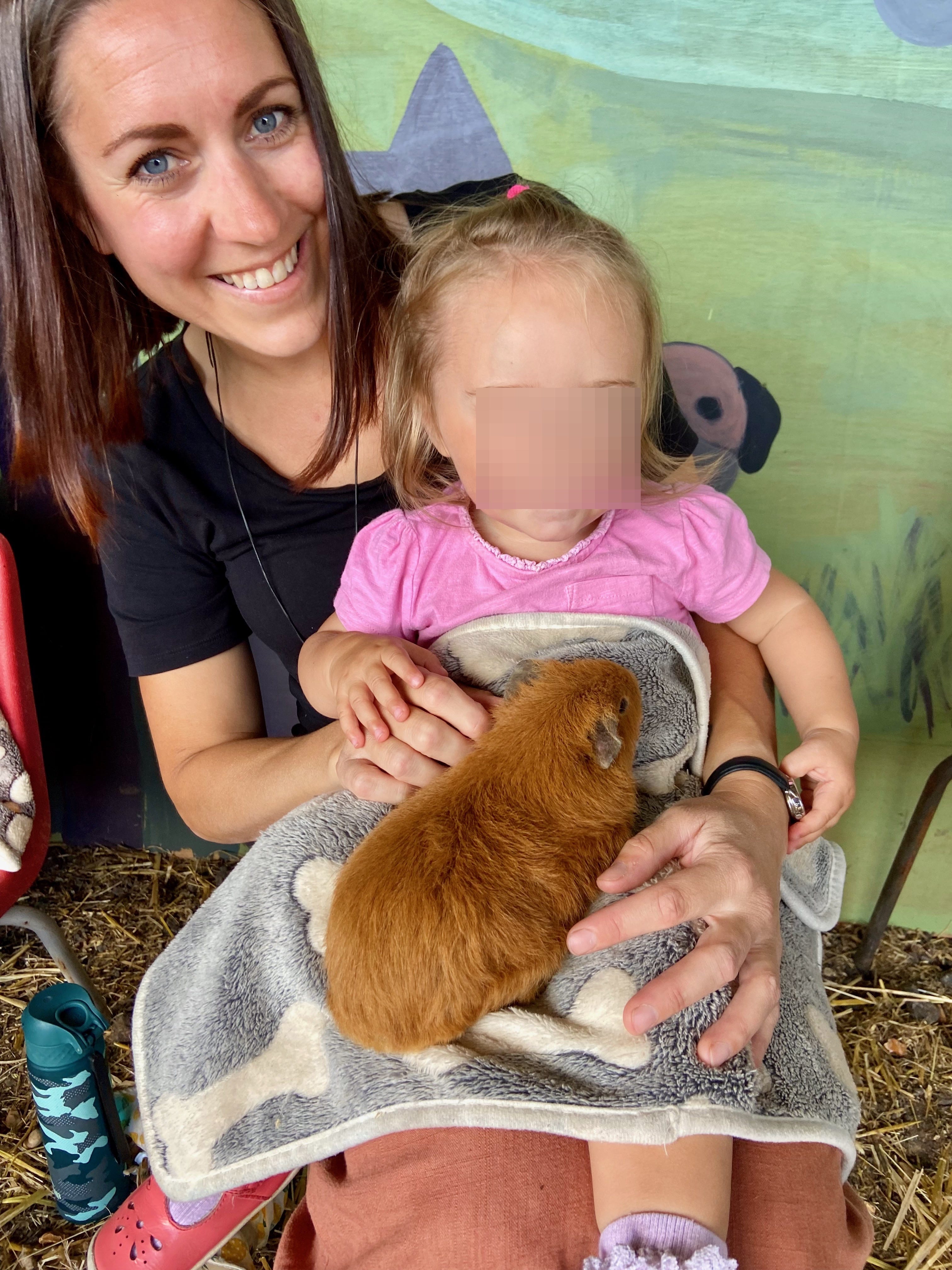
I often like to look back through photos when I reflect, so I’m sharing a few here as a way of grounding what has been quite a full, challenging, and formative year for me and my family.
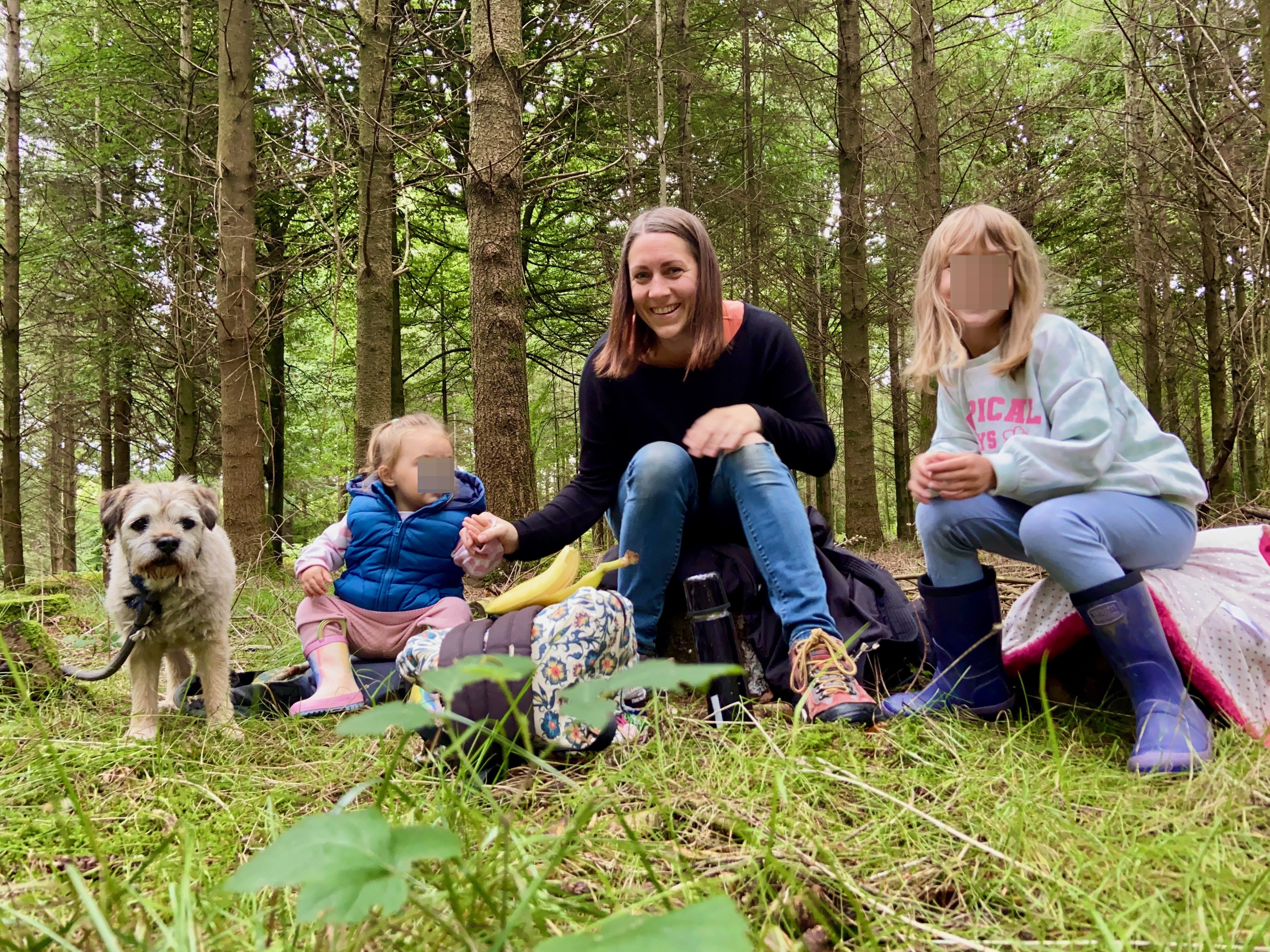
One of the biggest highlights has been co-setting up our now-thriving home education co-op in the nearby town. I’ve written about this elsewhere, but it has been a deeply rewarding experience — developing new friendships, expanding my daughter’s social and group learning opportunities, and rising to the challenge of designing themed, non-coercive learning experiences for mixed ages. Just as importantly, it’s given us a sense of mutual support on what can sometimes feel like a lonely alternative path.
Looking back through the year’s photos also reminds me of the sheer breadth of interests my older daughter (now seven) has self-directed into. There’s been Ancient Egypt, the Stone Age, scuba diving, baking, Lego and model-building, ice skating, face painting, street dance, learning to play guitar, singing, working with farm animals, experimenting with hairstyles and make-up — alongside teeth falling out, adult teeth growing in, navigating friendships and group dynamics, and beginning to read and write entirely of her own accord. Seeing it all laid out like this is a powerful reminder of what can unfold when children are trusted to follow their curiosity.
This has also been my first full year of “not working,” after deciding not to return to my former career as a Speech and Language Therapist when my maternity leave ended in late 2024. I surprised myself with how cleanly I was able to step away. Perhaps that shouldn’t have been so surprising — change and migration are a core theme in my Human Design — but it still felt significant.
It wasn’t that I didn’t want to work. It was that I could no longer do work that had become so out of alignment with who I was. For years, I had one foot in our alternative home-educating world and another firmly planted inside mainstream education and health systems. At the time I left, I was heading up a Speech and Language Therapy department in an autism-specialist school, having previously worked across the NHS and a wide range of childcare and educational settings. I went into that role with open eyes — it offered good pay for very part-time hours and allowed us to continue home educating — but after a year or so I felt increasingly hemmed in. The same unsolvable systemic issues, the same pressures, the same quiet harm to children.
I might never have taken the leap if it hadn’t been for my younger daughter arriving — a gift from the cosmos for us as older parents. With two children, I could no longer rely on extended family support to the degree required to maintain my job, and sending them into systems I no longer trusted was not an option. Financially, it was daunting. But it became clear that this was the opportunity I’d been unknowingly waiting for: to step off the treadmill, realign with my core values, and pursue the heart-led work I’d long felt called toward.
Substack has become part of that unfolding. I didn’t start here immediately; earlier in the year I explored different avenues, took courses, and taught myself new skills with the aim of creating a flexible, values-aligned way of working alongside caring for and educating my children. By May, I published my first article here. Several months on, I’ve written over thirty pieces, found a steady rhythm, built a small but growing readership of thoughtful, aligned people, and discovered how much I genuinely enjoy this space. I’m now working quietly behind the scenes, deepening the threads of my work and allowing things to grow organically.
One unexpected part of this year has been my increasing use of AI. I’ve historically leaned more toward mild Luddism than technological enthusiasm, so this surprised me. What began as using AI to answer specific practical questions — website set-ups, tools, technical hurdles — gradually became a supportive assistant that saved me hours of time. Through Substack, I’ve also encountered nuanced, thoughtful conversations about AI, which have helped me approach it consciously and with restraint. I’ve begun using it occasionally in our home education too, as a way of generating ideas or personalising learning. A recent highlight was collaborating with Sam from Slow AI on an article exploring the use of AI-generated stories to help children understand complex or divisive topics — a conversation I look forward to continuing with other parents and educators.
Alongside all this, I’ve continued to deepen my study of Human Design and my contemplative engagement with the Gene Keys. Offering free chart insights to some subscribers has been both grounding and humbling — seeing how accurately these systems can reflect the essence of a person, and practicing distilling complex information into something genuinely useful. I see them not as rigid belief systems, but as symbolic maps that can support growth, self-understanding, and more attuned care for children. This is a practice I intend to continue developing and sharing over time.
This year has also brought significant challenges. The first half of it was dominated by my husband’s health struggles — months of hospital appointments, pain, fear, reliance on pharmaceutical interventions, and a prolonged period without income. We even spent our daughter’s seventh birthday trip to Legoland navigating the park with a wheelchair. Slowly, from summer onwards, things began to shift as he made overdue changes to his everyday health. Remarkably, we now seem largely out of the woods: he’s walking, working, pain-free, medication-free, and feeling healthier than he has in years. The experience was a stark reminder of how fragile good health can be, how interdependent our family life is, and how limited a purely medication-focused healthcare model can sometimes be.
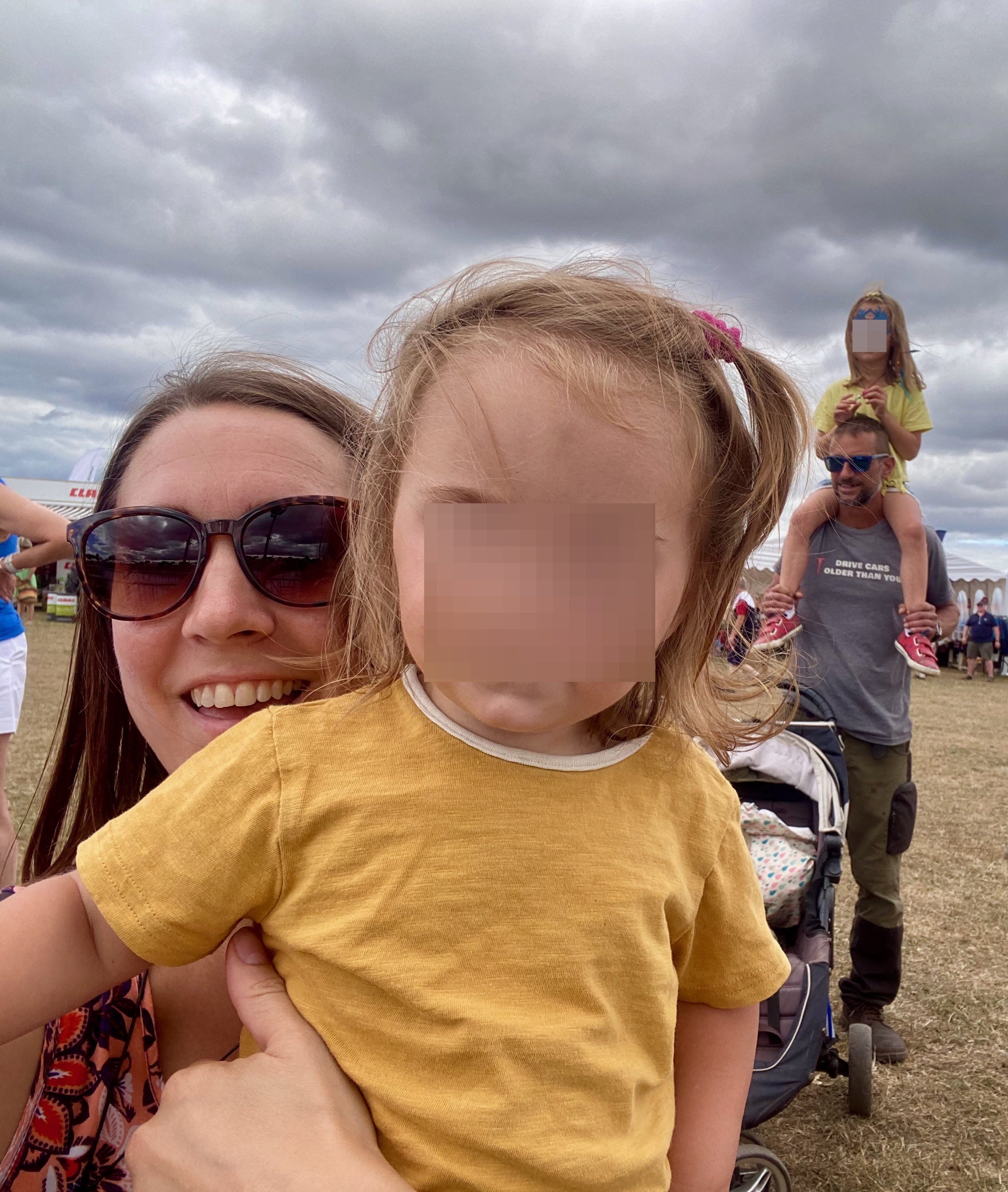
My older daughter has continued to navigate her own health challenges too. While the year began relatively smoothly, winter has brought flare-ups — long periods of ill health, growing pains, sinus issues, and a very restricted diet. These experiences have been teaching me patience, trust in her body’s intelligence, and discernment around when to seek professional support. We’re hopeful that working with a naturopath and herbalist in the coming months may offer further insight.
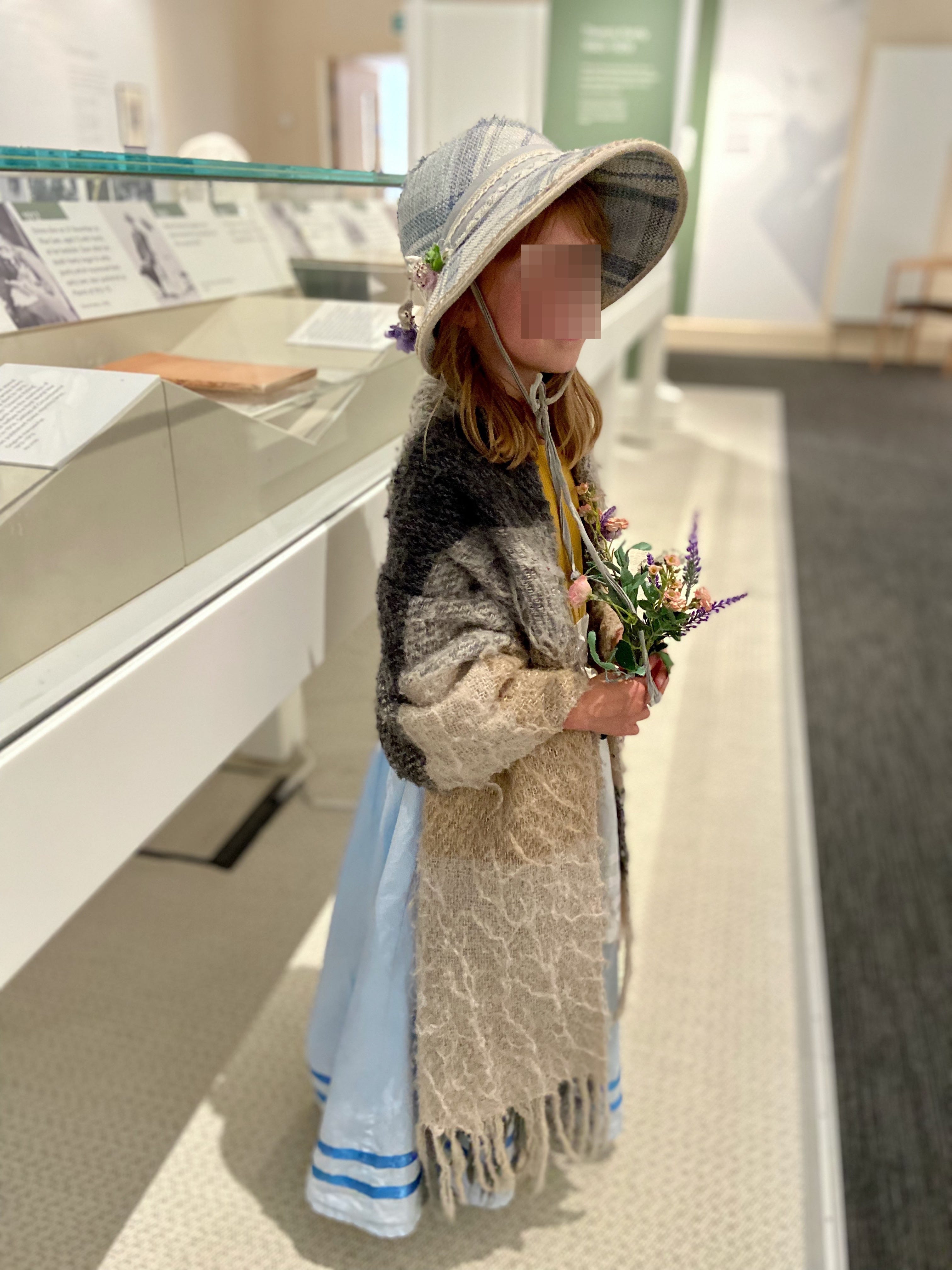
There have been smaller but equally instructive experiments too. One was trying “child-swapping” with a friend so we could both work. We assumed two pairs of similarly aged children would make this relatively easy; it didn’t. The older girls’ friendship was strained under the weight of too much input, and while the toddlers were more adaptable emotionally, their physical needs were demanding. The experience gave me a visceral sense of how much load is routinely placed on children in long daycare and school hours, and it forced me to reckon honestly with my own capacity and boundaries. Ending the arrangement — calmly, clearly, and without fallout — felt like a lived expression of my values, and a good example of mutual support and fair exchange in action.
Finally, living on a very tight budget this year has been challenging but unexpectedly life-enhancing. It’s required far more organisation, intention, and restraint — meticulous shopping lists, second-hand sourcing, and a deepening awareness of what we actually need. We’ve managed without debt, and I’m learning practical life skills (that I was never taught in school) in my fourth decade. These are lessons I hope to gradually pass on to my children too.
Looking back, this year feels less like one of achievement and more like one of alignment — shedding what no longer fit, responding to what life presented, and learning to trust slower, truer rhythms.
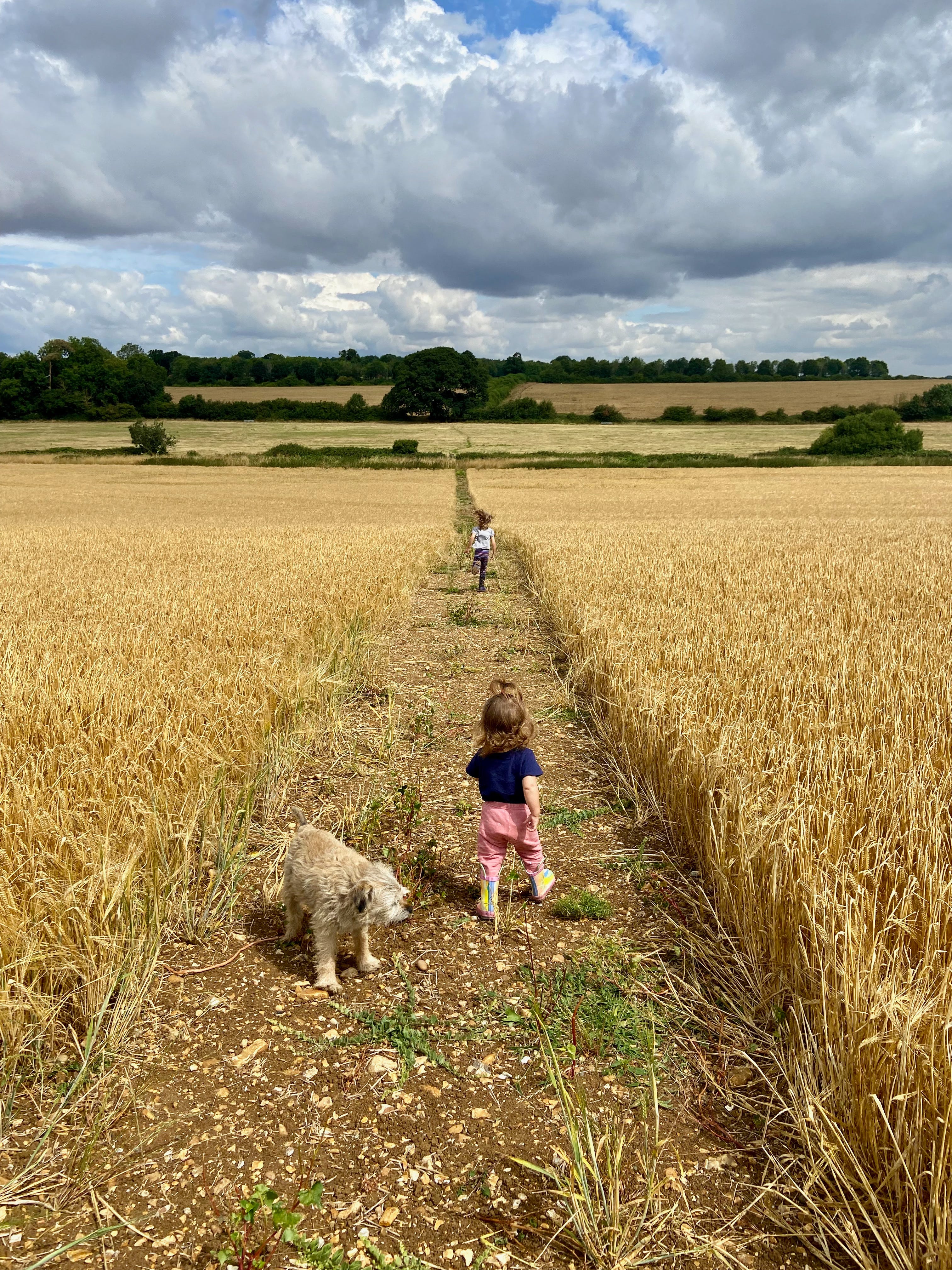
If you’ve been reading along, quietly or actively, thank you. This publication is still becoming itself, and so am I. I’m grateful to be doing that in thoughtful company.
For now, I hope you’re able to rest, breathe, and close the year gently.
With deep gratitude,
Gem 💎
Subscribe below to receive future essays exploring what we see, what we miss, and what becomes possible when we look again at children and childhood.
Thank you for sharing your year. I'm so happy to have discovered you here and so grateful. Your articles are inspiring, informative and also very comforting. Sending lots of love and encouragement to keep on keeping on ❤
Thank you for such an open, honest, and inspiring reflection, Gem. I'm so happy that your husband seems to be doing much better, and thank you for writing so powerfully over the past year for all of us to learn from. Even those of us who don't homeschool our children. Happy New Year to you and yours, and looking forward to what 2026 brings.