


This is the story of why our family is following a different path, and what we’re finding along the way.
Much like the way we frame children through labels, the way we frame education itself matters. Words, structures, and expectations carry assumptions, and for many years now I’ve found myself questioning the very foundations of what school is meant to be.
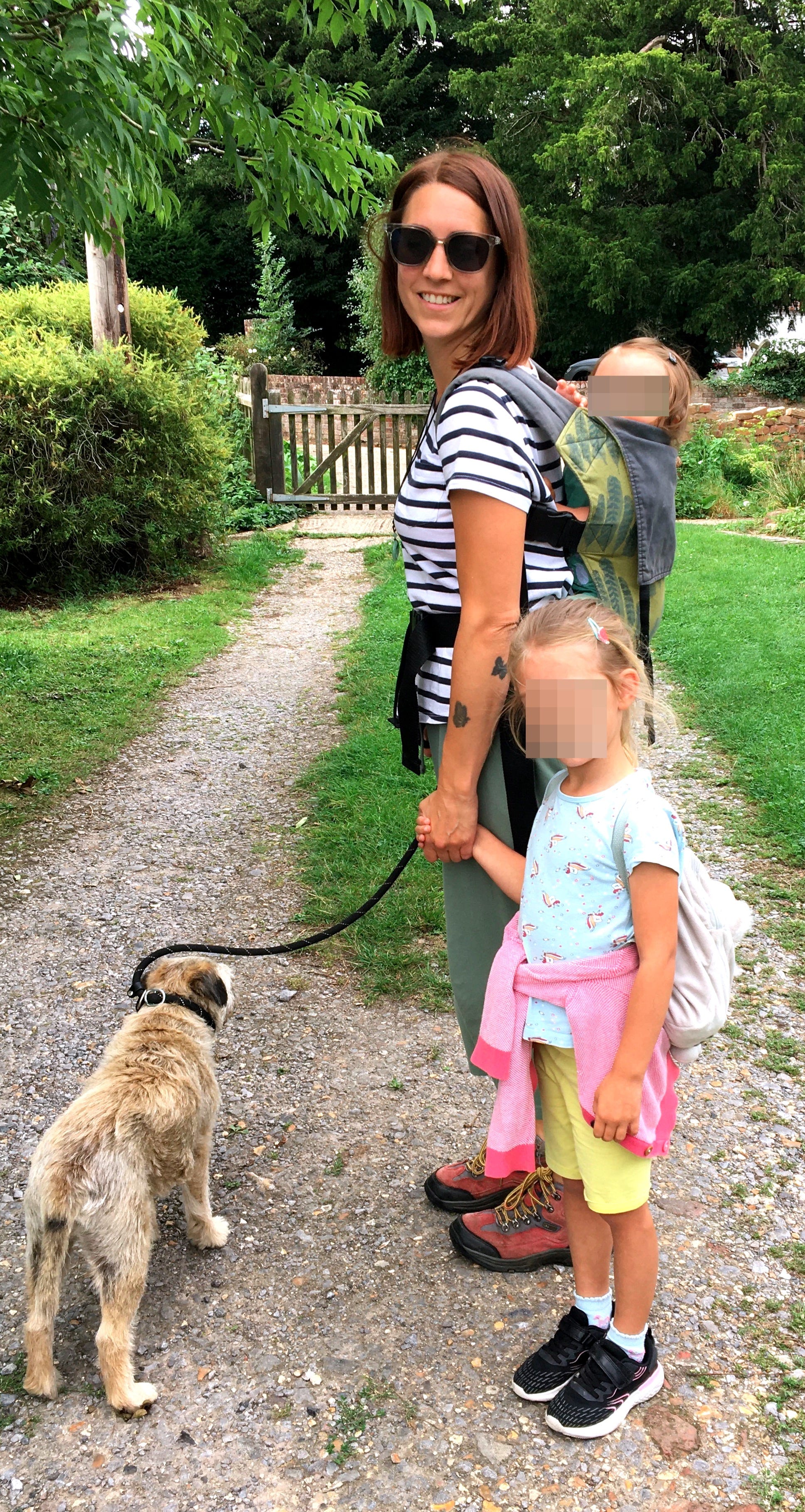
I have chosen not to send my daughters to school. This is not because I reject learning or because I believe all schools are inherently bad. Rather, it’s because I want my children to learn and grow in a way that respects who they are as unique individuals — their timing, their interests, their creativity, and their emotional needs. My experiences of working in many educational establishments over the years showed me how little room there often was for this in practice. I want to provide a life where connection, curiosity, and freedom guide their learning and holistic development, rather than rigid schedules, test scores, or one-size-fits-all curricula.
But I’ll be honest: I sometimes wonder if I’m being naïve. What if my children miss out on something essential? What if I’ve made life harder for them? Those doubts creep in — especially when I find myself comparing them to school-educated peers. But each time I catch myself doing it I take a breath, look at my girls as they are — alive, joyful, curious, wholly themselves — and I remember why we’re doing this.
Rethinking Education
Over the years, I’ve explored a wide range of educational philosophies, research, and real-life examples that reinforce our approach. What has become clear is that the foundations of thriving learning are not found in strict schedules or standardised tests, but in attachment, curiosity, play, and autonomy. Studies consistently show that children learn best when they feel secure, supported, and free to explore their interests at their own pace.
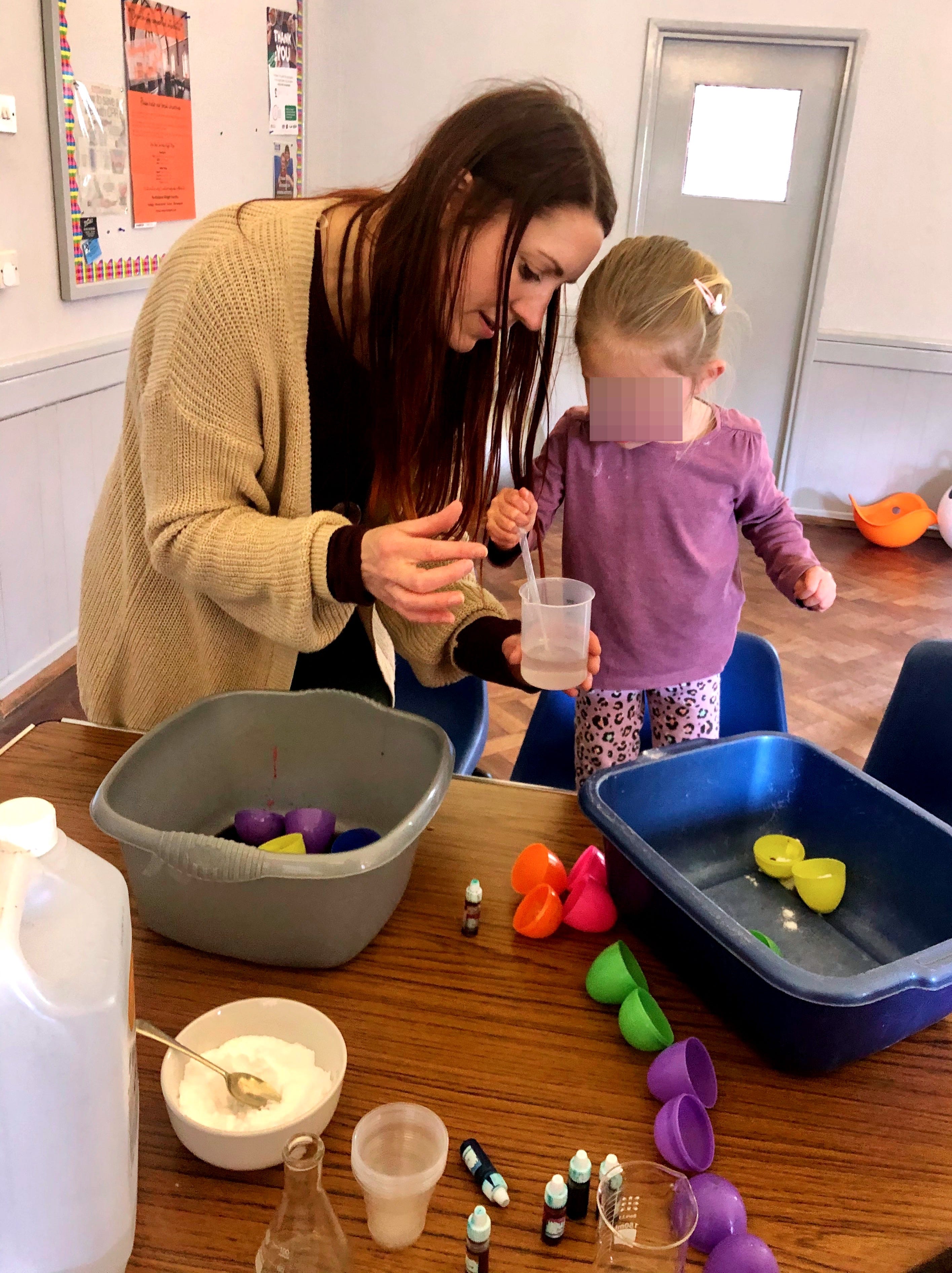
I’ve tried and abandoned ‘set learning times’ and worksheets. They may work beautifully for some families, but for us so far (and especially with my older daughter’s unique wiring) they don’t. Whenever I pushed, it ended in angry refusals, tears, and her berating herself — and left me exhausted, guilty, and questioning everything. So we scrapped the worksheets, and instead we follow the spark of curiosity: yesterday it was how some shark embryos eat their siblings in the womb; today it was weighing ingredients for blackberry crumble. My reminder to myself is simple: let it go and learning will flow.
Attachment, Connection, and Emotional Security
None of what we are doing would be possible without connection — it is the foundation that makes learning safe and meaningful, and the very heart of our philosophy. A secure, trusting relationship with caregivers is not just essential for emotional well-being — it is the soil in which real learning grows. The mainstream school model emphasises early separation from parents, which can undermine these foundations. Home-based learning allows children to feel seen, heard, and emotionally supported, which enables them to explore the world confidently and authentically.
On anxious days, I can still slip into control — a sudden push for “just a bit more structure”. It always backfires. I’ve even said the thing I promised myself I never would: “Most other children your age…” The look on her face still stings — she can normally trust me to see and accept her just as she is. I apologised. We repaired. This honesty and closeness teaches us both more than any lesson could.
Play, Creativity, and Curiosity
Play is not just a way to pass time — it is fundamental to learning. Children learn social skills, problem-solving, creativity, and self-regulation through play. Creativity itself is a form of learning, whether expressed through art, music, construction, or imaginative storytelling. Free, unstructured time fosters exploration, discovery and repetition, which are essential for deep learning.
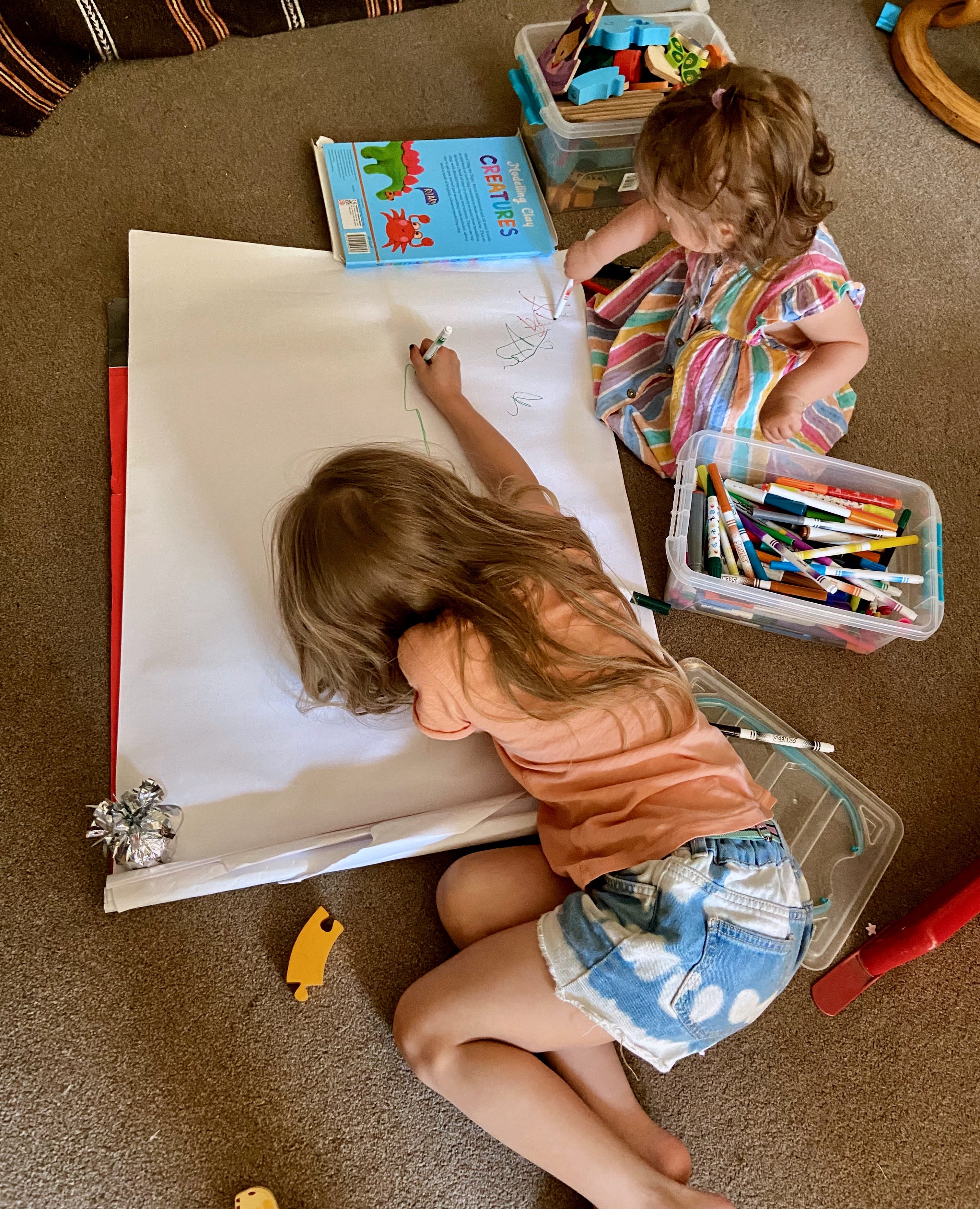
Just some of the self-driven, creative/play projects my 7-year-old has thrown herself into recently include setting up a dog grooming salon (with hand-written signs, price lists, and very serious customer service), a mud-kitchen restaurant serving up highly questionable dishes, lego build challenges, and a face-painting festival stall. Watching her completely absorbed in these worlds, I realised that no worksheet or curriculum could have taught her the sheer mix of skills she was drawing on — let alone the joy and imagination she poured into every detail.
Learning at the Right Time
Research strongly supports that children naturally learn literacy, numeracy, and other skills most effectively when they are ready. Dr. Alan Thomas’ studies with home-educating families in London and Australia found that children learn to read in countless ways without formal instruction, often pursue topics deeply if their interest holds, and develop social skills and confidence naturally.
Alternative schools like Summerhill and educational approaches like Montessori and Steiner demonstrate that delaying formal academic instruction until children show readiness does not hinder long-term outcomes; it often enhances engagement, intrinsic motivation, and emotional maturity.
What everyone gets most hung up on — myself included when doubts creep in — is reading. For my 7-year-old, it’s arriving in myriad small ways: deciphering words in recipes, spotting signs in the woods, writing a label for a shop she built in the living room. None of it looks “official,” and it’s certainly not where she would be if she were in school. But all of it counts. I’ve learned to trust her timing. The other day, when I gently suggested she might like to practice more, she looked at me and said: “Mum, I’ll get there when I’m ready.” And I believe her.
Different Learning Styles and Strengths
Children are unique learners, and respecting their learning styles is crucial. Howard Gardner’s theory of multiple intelligences and Linda Silverman’s Upside-Down Brilliance highlight that visual-spatial, kinaesthetic, and hands-on approaches are often most effective, particularly for children with neurological differences — but they benefit all children because they are sensory beings who live in the present moment. Multi-sensory and practical approaches allow children to discover their strengths and develop confidence in their abilities.
My older daughter is extremely visual and thinks with her hands — give her clay, cardboard, blocks, or a mixing bowl and she’s off. Our house is full of the worlds she has created: clay food items, junk-model instruments, nature jewellery, and even clothing she’s imagined and made. Each project is a window into her mind — problem-solving, designing, experimenting, and bringing ideas to life. This is where her strengths shine brightest, and where her learning is most alive.
Nature, Hands-On Learning, and Experiential Approaches
Often, those strengths come alive most vividly outdoors, in the natural world. Nature immersion, Forest Schools, and experiential learning foster resilience, observation skills, and problem-solving abilities. Time outdoors and hands-on interaction with the natural world supports creativity, curiosity, and independence — especially when combined with multi-sensory, practical learning.
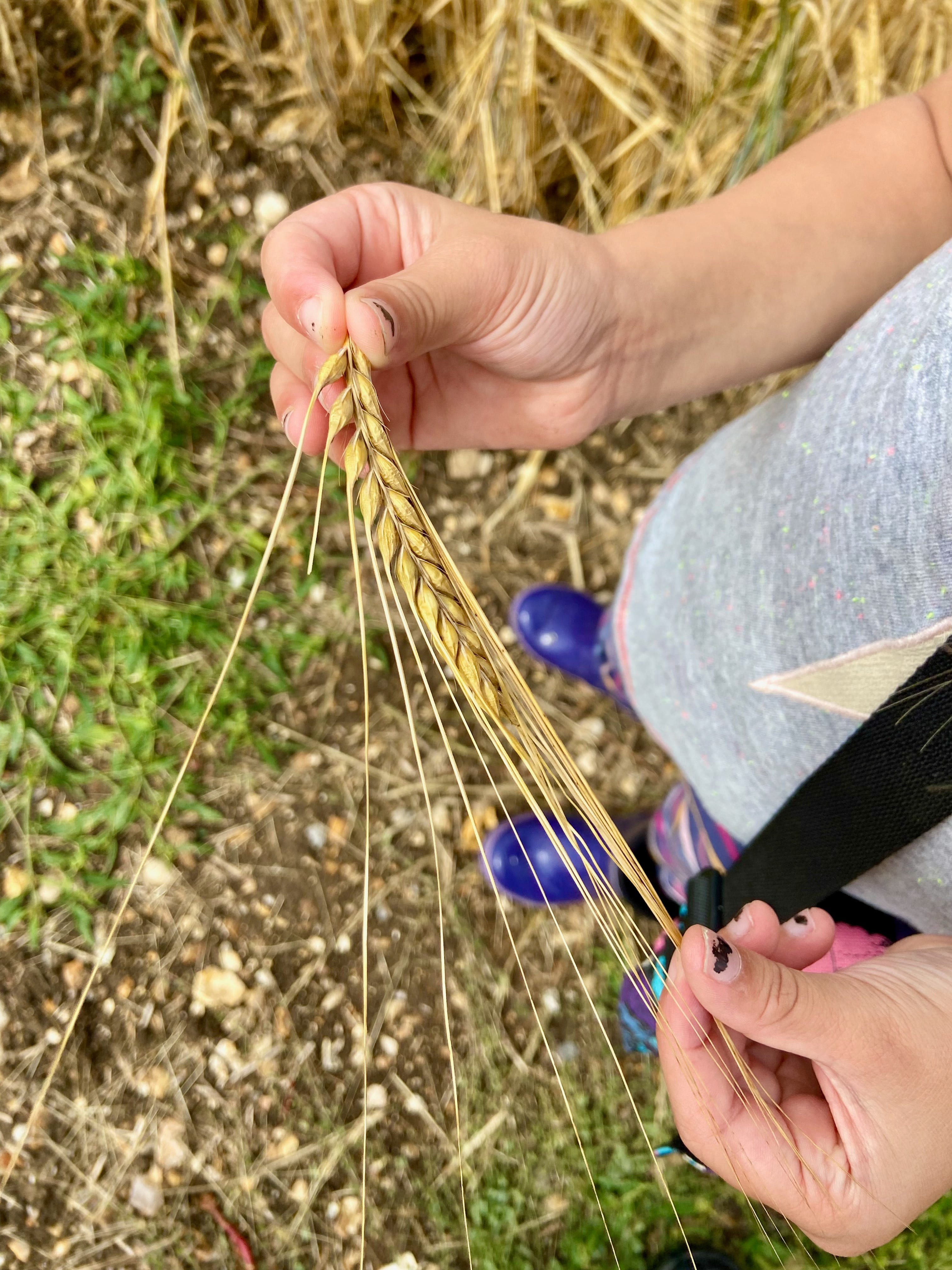
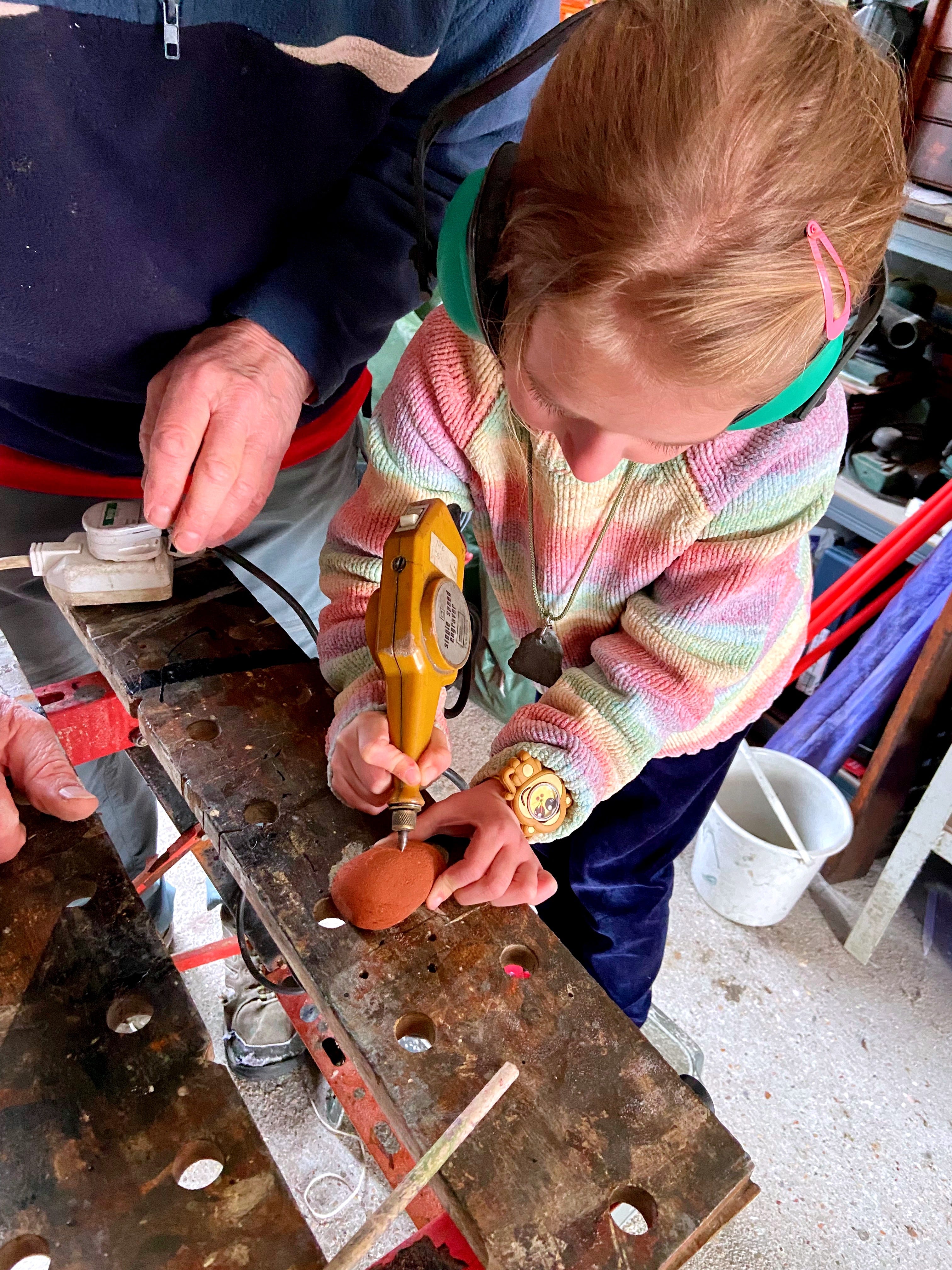
Recently we hosted a caterpillar transformation centre — complete with parasitic wasp larvae — which sparked lessons in biology, ethics, and handwriting, alongside plenty of gasps of wonder (or disgust!). At her various Home Ed community activities in the past month, my daughter has examined a wasp nest up close, washed and groomed a sheep for an animal show, and made damson jam from fallen fruits. At Forest School and at home with her Dad, she loves to whittle and use hand drills, saws, hammers, and other tools to create practical or imaginative crafts. Each project challenges her to think, plan, and problem-solve — figuring out how to transform materials, work safely, and bring her ideas to life.
Life Learning, Guidance, and Parental Role
In our approach, parents are guides, facilitators, and providers of opportunities, not traditional teachers. Formal learning can be outsourced if needed — tutors, classes, or online resources support advanced or specialised interests. But the core of education is life itself: living, exploring, creating, and discovering. This is why I actually prefer to call it “life learning” rather than “home education.”
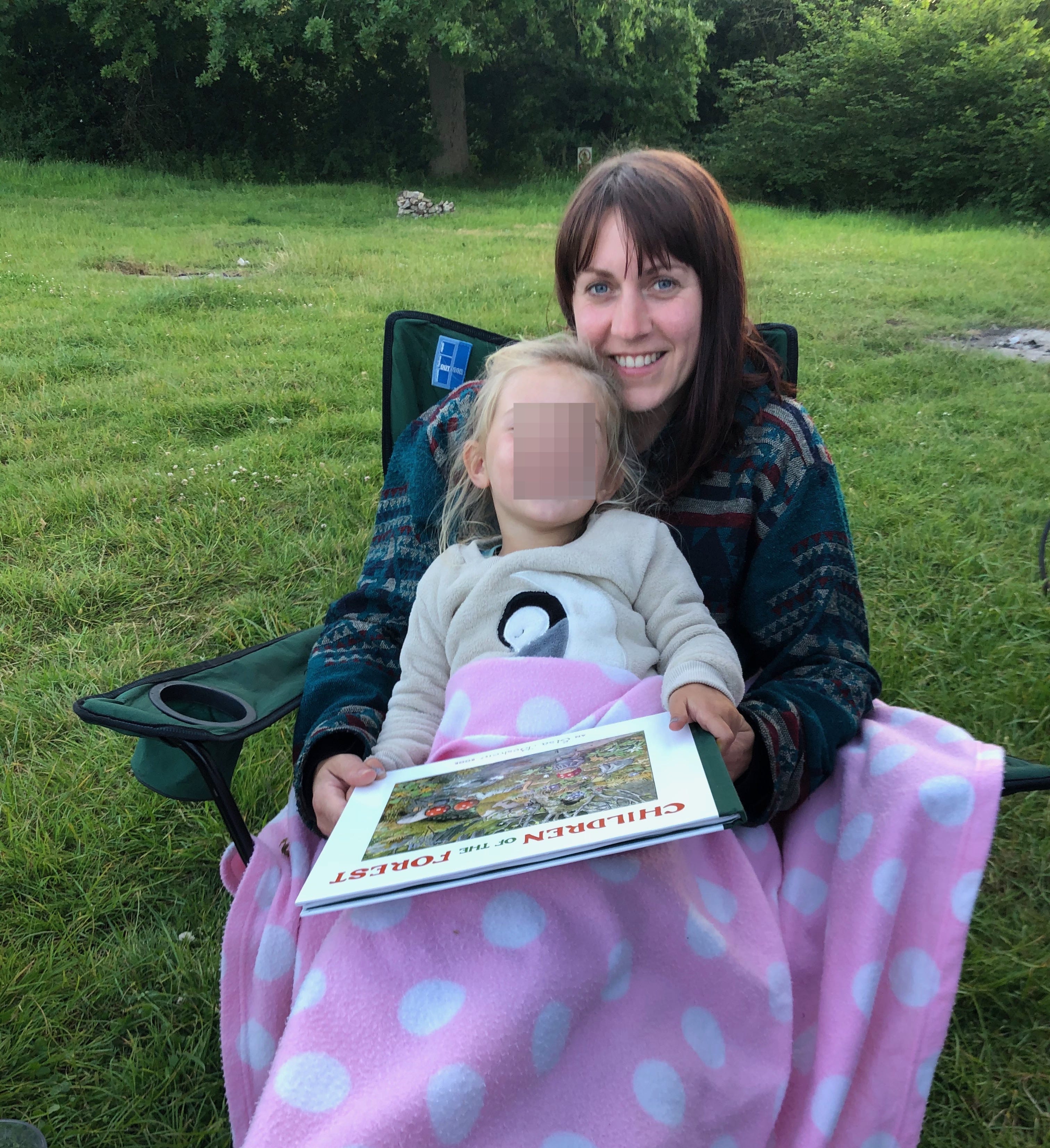
A typical home-based day (which doesn’t happen that often, given all the varied external groups and activities we attend) might look like this:
Reading together and listening to chapter audiobooks
Art and craft projects, often inspired by whatever captures her imagination that day
Bike rides, nature walks, or ball games in the garden
Garden adventures in the mud kitchen or treehouse
Imaginary world-building and role play, completely led by her ideas
Shared meal prep or baking projects
Helping with household chores when she’s interested
Building with Lego and other construction play
Sensory and messy play, exploring textures, colours, and movement
Freestyle dancing, singing, and making music with instruments or everyday objects
Yoga and movement sessions
Visiting local shops or the library
Functional numeracy and literacy woven naturally into all these activities
Endless conversation — and looking things up together to answer the questions that naturally pop up
All of these activities reflect the essence of life learning: education emerges from living, exploring, and engaging with the world. My role is to notice, nurture, and guide — providing opportunities and resources as questions, interests, and ideas arise — rather than imposing a rigid structure. This approach allows learning to feel alive, joyful, and deeply connected to who my children are.
Preparing for a Changing World
Children today are growing up in a rapidly evolving world. Mainstream education, originally designed to produce workers for industrial systems, is often slow to adapt to modern realities such as digital technology, creativity, and entrepreneurship. Flexible, child-led learning equips children to thrive as creative, independent thinkers who can shape their own paths. This feels essential, especially as the future is more uncertain than ever.
For now, our children are still young, and we’ve chosen to limit their use of technology — especially personal devices — so they can preserve the magic of their childhood and their blossoming imaginations. At the same time, we keep an eye on the future and plan to introduce practical “future skills” in ways that feel playful and relevant — maybe running a small market stall, experimenting with simple coding games, or filming and editing short how-to videos. It’s not about ticking boxes, but giving them real opportunities to practise agency and creativity in ways that feel meaningful.
Critical Thinking and Autonomy
But future readiness isn’t only about skills — it’s also about mindset. Critical thinking and autonomy are just as vital. Home education is more likely to encourage children to question assumptions, investigate ideas, and form their own conclusions. This independent thinking is essential for navigating complexity, evaluating evidence, and making informed decisions — skills that are increasingly crucial in a rapidly changing world.
As our daughters grow, we plan to expose them to a wide range of information sources, far beyond the narrow scope of the school curriculum. For now, their questions guide us. When our older daughter asks something — “How do crocodiles breathe underwater?” — we first encourage her to share her own thoughts. This builds confidence in her ideas and reasoning.
I also try to pause before answering, asking myself what I actually know. Often I realise my instinct is to give a vague, pretend-authoritative response that isn’t very accurate. So instead, I’ll say: “I don’t know much about that — let’s find out together.” We then investigate using at least two sources, discussing not only the answers but also where they come from.
When our daughter asks “big” questions, we make a point of framing our answers in terms like “most people think…” or “many believe…” rather than offering a single, fixed perspective. This way, she learns that knowledge is not absolute, and she remains free to weigh evidence and form her own conclusions as she grows.
Home Education Research, Evidence, and Growing Numbers
Home education research consistently shows children educated outside school are academically successful, socially skilled, and well-adjusted. Studies by Rothermel, Meighan, Thomas, NHERI, and others demonstrate that home-educated children:
Outperform peers in literacy and numeracy
Enjoy high self-esteem and strong social skills
Pursue interests with intrinsic motivation
Go on to university, entrepreneurship, or fulfilling careers
On the days I question myself, I read the research — to hear the success stories and insights from those who have been there and know that it works, and as a gentle reminder: children thrive when they’re trusted. And with home education numbers rising steadily year on year in the UK — now well over 100,000 children (a number that has risen dramatically over the past decade) — it is clear that this is no fringe choice but part of a much bigger shift.
Conclusion: Raising Whole, Creative Human Beings
Ultimately, our philosophy — which we know is echoed by countless other home educating families — is about more than academics. It’s about raising children who know and trust themselves, who contribute to the world not as products of a system but as whole, creative human beings. It’s about nurturing curiosity, honouring individuality, fostering resilience, and giving them the freedom to explore, fail, succeed, and grow in a way that’s true to who they are.
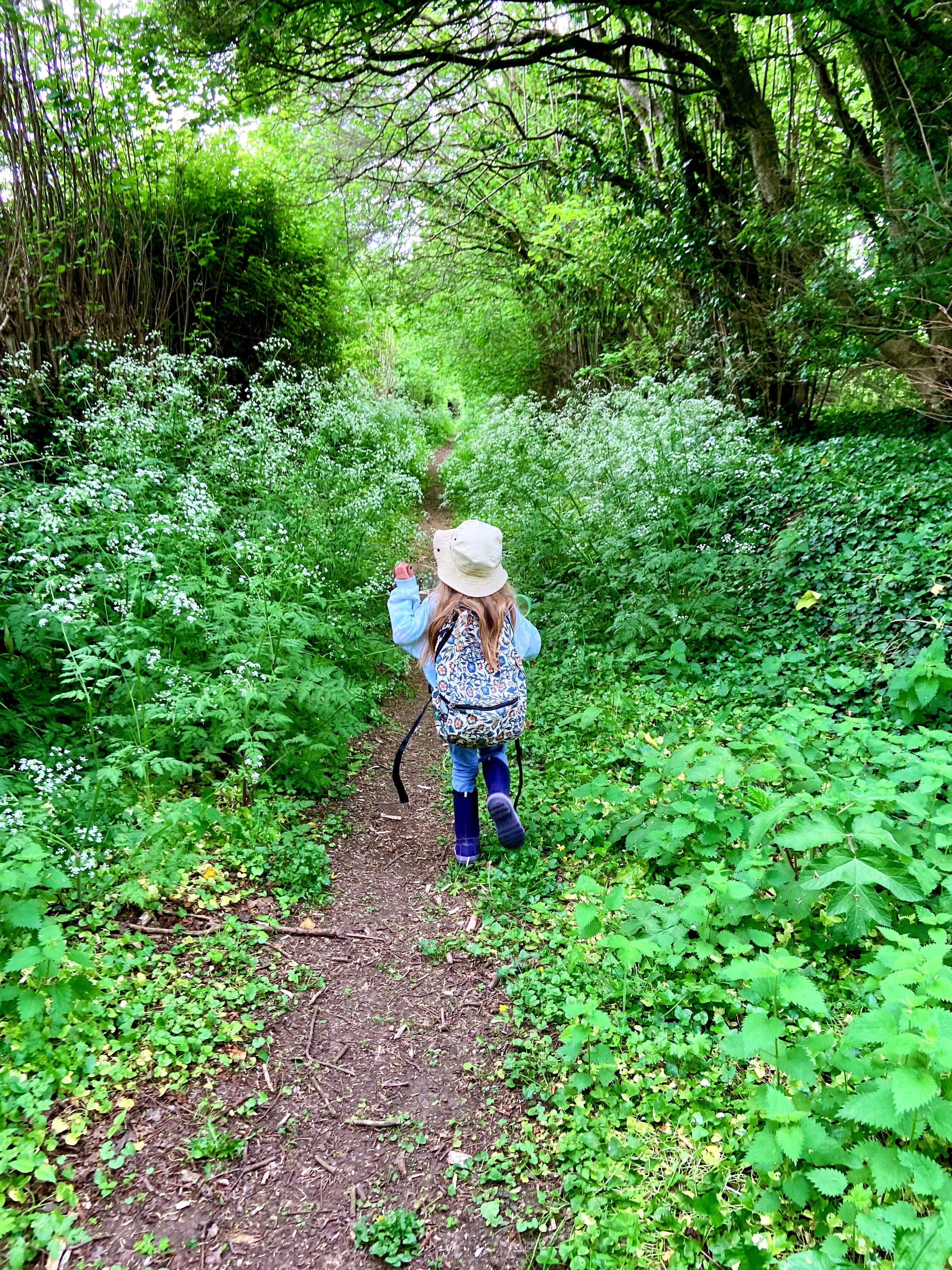
I don’t have it all figured out. But when I see my girls — connected, curious, and wholly themselves — I think: this is working.
And if you’re reading this wondering, “What if I’m not enough? What if they miss out?” — believe me, I’ve been there. The truth is, our children don’t need perfect, expert parents. They need us to be present, to let go of old ways, to stop worrying about what others think, to trust them — and, ultimately, to learn alongside them. That, I think, is enough.
If you’re reading this and feeling the pull — or the uncertainty — I’d love to hear what’s coming up for you.
What questions are you holding about your child, or about education itself?
What feels true… even if it doesn’t quite make sense yet?
These are often the places where something new is beginning.
Subscribe below to receive future essays exploring what we see, what we miss, and what becomes possible when we look again at children and childhood.
Childhood should feel expansive and rooted in wonder, and I think the same as you: delaying personal devices gives them the chance to build that foundation first. I love the way you’re thinking about future skills, it feels organic, not imposed or abstract, but woven into play and real-life experiences. I agree that the best way to prepare them for the world ahead is by helping them grow a strong sense of agency and creativity that they’ll carry with them no matter what the future looks like.
Inspirational amazing Mama, inspirational gorgeous family!